Écrivain
Horace
65 BC - 8 BC
FR.WIKIPEDIA PAGE VIEWS (PV)
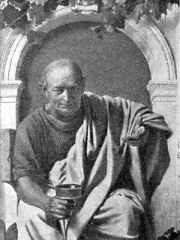
 Horace
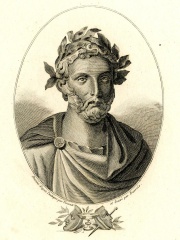
Horace (en latin : Quintus Horatius Flaccus, prononcé : /ˈkʷiːntus (h)oˈraːtius ˈflakːus/, 65 av. J.-C. - 8 av. J.-C.) est un poète de l'Antiquité romaine. Né à Venosa, en Apulie, dans une famille modeste affranchie, Horace bénéficie néanmoins d'une éducation soignée grâce à son père, qui investit dans son avenir et lui permet d'étudier à Rome et à Athènes. En savoir plus sur Wikipédia
Sa biographie est disponible en 101 langues sur Wikipédia (en hausse par rapport à 100 en 2024). Horace est le 43rd écrivain le plus populaire (en baisse du 31st en 2024), la 54th biographie la plus populaire d'Italie (en baisse du 32nd en 2019), ainsi que le 6th écrivain d'Italie le plus populaire.
Memorability Metrics
Page views of Horace by language
Among Écrivains
Among écrivains, Horace ranks 43 out of 7,302. Before him are George Orwell, Charles Dickens, Matsuo Bashō, Hermann Hesse, Emily Dickinson, and Ernest Hemingway. After him are F. Scott Fitzgerald, Alexander Pushkin, Simone de Beauvoir, Friedrich Schiller, Aristophanes, and Thomas Hardy.
Most Popular ÉCrivains in Wikipedia
Go to all Rankings
George Orwell
1903 - 1950
HPI: 85.28
Rank: 37
Charles Dickens
1812 - 1870
HPI: 85.20
Rank: 38
Matsuo Bashō
1644 - 1694
HPI: 85.14
Rank: 39
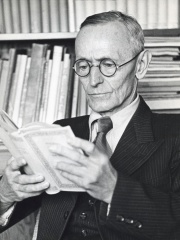
Hermann Hesse
1877 - 1962
HPI: 85.13
Rank: 40
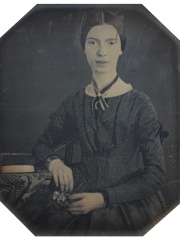
Emily Dickinson
1830 - 1886
HPI: 85.12
Rank: 41
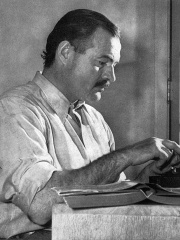
Ernest Hemingway
1899 - 1961
HPI: 84.99
Rank: 42
Horace
65 BC - 8 BC
HPI: 84.80
Rank: 43
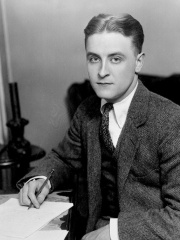
F. Scott Fitzgerald
1896 - 1940
HPI: 84.65
Rank: 44
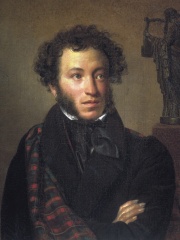
Alexander Pushkin
1799 - 1837
HPI: 84.64
Rank: 45
Simone de Beauvoir
1908 - 1986
HPI: 84.63
Rank: 46
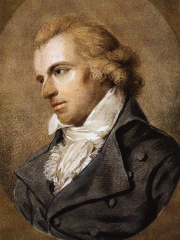
Friedrich Schiller
1759 - 1805
HPI: 84.57
Rank: 47
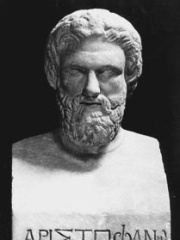
Aristophanes
448 BC - 386 BC
HPI: 84.47
Rank: 48
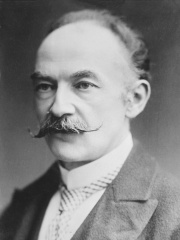
Thomas Hardy
1840 - 1928
HPI: 84.42
Rank: 49

Contemporaries
Among people born in 65 BC, Horace ranks 1. After him are Salome I, Cicero Minor, and Polemon I of Pontus. Among people deceased in 8 BC, Horace ranks 1. After him are Gaius Maecenas, and Polemon I of Pontus.
Others Born in 65 BC
Go to all RankingsHorace
WRITER
65 BC - 8 BC
HPI: 84.80
Rank: 1

Salome I
POLITICIAN
65 BC - 10
HPI: 64.97
Rank: 2

Cicero Minor
POLITICIAN
65 BC - Present
HPI: 62.74
Rank: 3

Polemon I of Pontus
WRITER
65 BC - 8 BC
HPI: 61.43
Rank: 4
Others Deceased in 8 BC
Go to all RankingsHorace
WRITER
65 BC - 8 BC
HPI: 84.80
Rank: 1
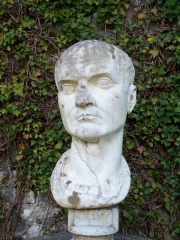
Gaius Maecenas
PUBLIC WORKER
68 BC - 8 BC
HPI: 74.71
Rank: 2
Polemon I of Pontus
WRITER
65 BC - 8 BC
HPI: 61.43
Rank: 3
In Italie
Among people born in Italie, Horace ranks 54 out of NaN. Before him are Pope Urban VII (1521), Giotto (1267), Pope Clement VII (1478), Juan Carlos I of Spain (1938), Donatello (1386), and Tiberius (-42). After him are Pope Gregory XVI (1765), Sulla (-138), Titian (1488), Maria Montessori (1870), Pontius Pilate (-12), and Pope Julius II (1443).
Others born in Italie
Go to all Rankings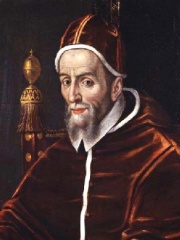
Pope Urban VII
RELIGIOUS FIGURE
1521 - 1590
HPI: 85.06
Rank: 48
Giotto
PAINTER
1267 - 1337
HPI: 85.03
Rank: 49
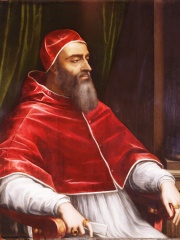
Pope Clement VII
RELIGIOUS FIGURE
1478 - 1534
HPI: 84.95
Rank: 50
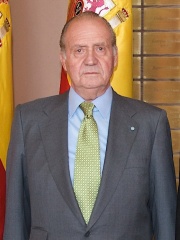
Juan Carlos I of Spain
NOBLEMAN
1938 - Present
HPI: 84.83
Rank: 51
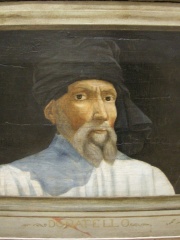
Donatello
PAINTER
1386 - 1466
HPI: 84.83
Rank: 52
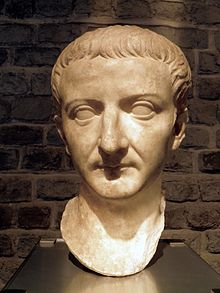
Tiberius
POLITICIAN
42 BC - 37
HPI: 84.83
Rank: 53
Horace
WRITER
65 BC - 8 BC
HPI: 84.80
Rank: 54
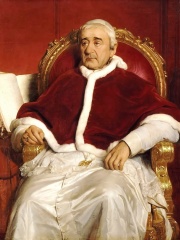
Pope Gregory XVI
RELIGIOUS FIGURE
1765 - 1846
HPI: 84.71
Rank: 55
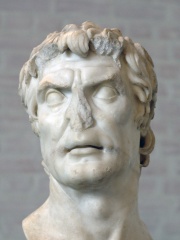
Sulla
POLITICIAN
138 BC - 78 BC
HPI: 84.65
Rank: 56
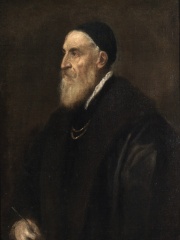
Titian
PAINTER
1488 - 1576
HPI: 84.62
Rank: 57
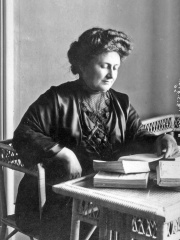
Maria Montessori
PHILOSOPHER
1870 - 1952
HPI: 84.59
Rank: 58
Pontius Pilate
POLITICIAN
12 BC - 38
HPI: 84.56
Rank: 59
Pope Julius II
RELIGIOUS FIGURE
1443 - 1513
HPI: 84.50
Rank: 60
Among Écrivains In Italie
Among écrivains born in Italie, Horace ranks 6. Before him are Dante Alighieri (1265), Virgil (-70), Ovid (-43), Petrarch (1304), and Giovanni Boccaccio (1313). After him are Umberto Eco (1932), Giacomo Casanova (1725), Giorgio Vasari (1511), Cato the Elder (-243), Carlo Collodi (1826), and Plautus (-254).
Dante Alighieri
1265 - 1321
HPI: 92.13
Rank: 1
Virgil
70 BC - 19 BC
HPI: 88.05
Rank: 2
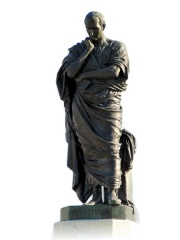
Ovid
43 BC - 17
HPI: 86.87
Rank: 3
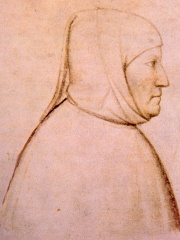
Petrarch
1304 - 1374
HPI: 86.60
Rank: 4
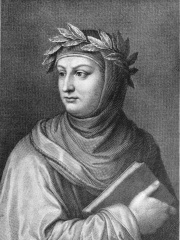
Giovanni Boccaccio
1313 - 1375
HPI: 85.98
Rank: 5
Horace
65 BC - 8 BC
HPI: 84.80
Rank: 6
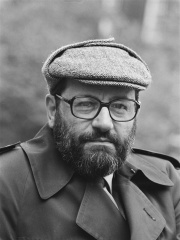
Umberto Eco
1932 - 2016
HPI: 83.13
Rank: 7
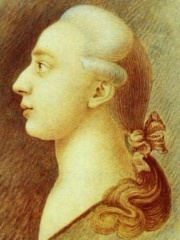
Giacomo Casanova
1725 - 1798
HPI: 83.07
Rank: 8
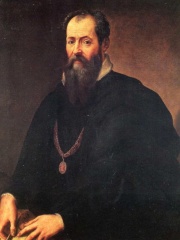
Giorgio Vasari
1511 - 1574
HPI: 82.06
Rank: 9
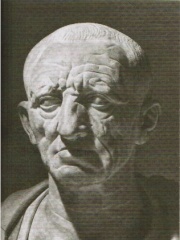
Cato the Elder
243 BC - 149 BC
HPI: 79.82
Rank: 10
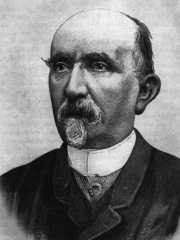
Carlo Collodi
1826 - 1890
HPI: 79.68
Rank: 11
Plautus
254 BC - 184 BC
HPI: 79.62
Rank: 12