Peintre
Han Gan
706 - 783
FR.WIKIPEDIA PAGE VIEWS (PV)

 Han Gan
Han Gan ou Han Kan est un peintre chinois de la dynastie Tang, actif au milieu du VIIIe siècle, vers 742-756. Il serait peut-être né en 706 et mort en 783. Il est resté célèbre en tant qu'artiste spécialisé dans la peinture de chevaux, avant que n'apparaisse la distinction entre peintres professionnels et peintres lettrés amateurs. En savoir plus sur Wikipédia
Sa biographie est disponible en 25 langues sur Wikipédia (en hausse par rapport à 24 en 2024). Han Gan est le 705th peintre le plus populaire (en baisse du 455th en 2024), la 484th biographie la plus populaire de Chine (en baisse du 352nd en 2019), ainsi que le 6th peintre de Chine le plus populaire.
Memorability Metrics
Page views of Han Gan by language
Among Peintres
Among peintres, Han Gan ranks 705 out of 2,023. Before him are Hendrick van Balen the Elder, Mihály Zichy, Jasper Johns, Andrea Appiani, Luis de Morales, and Roberto Ferruzzi. After him are Victorine Meurent, Eugene de Blaas, Philip de Koninck, Dong Qichang, Justus van Gent, and Erasmus Quellinus the Younger.
Most Popular Peintres in Wikipedia
Go to all Rankings
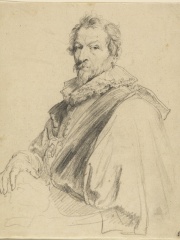
Hendrick van Balen the Elder
1570 - 1632
HPI: 63.92
Rank: 699
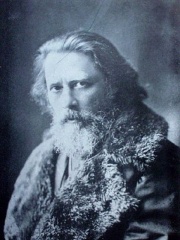
Mihály Zichy
1827 - 1906
HPI: 63.90
Rank: 700

Jasper Johns
1930 - Present
HPI: 63.89
Rank: 701
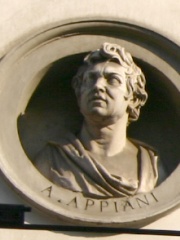
Andrea Appiani
1754 - 1817
HPI: 63.88
Rank: 702
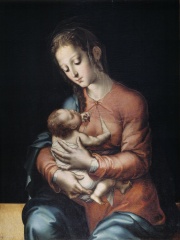
Luis de Morales
1509 - 1586
HPI: 63.88
Rank: 703
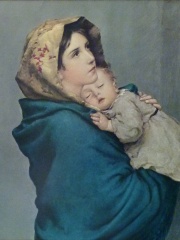
Roberto Ferruzzi
1853 - 1934
HPI: 63.88
Rank: 704
Han Gan
706 - 783
HPI: 63.87
Rank: 705
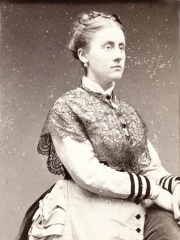
Victorine Meurent
1844 - 1927
HPI: 63.87
Rank: 706
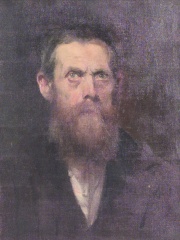
Eugene de Blaas
1843 - 1931
HPI: 63.86
Rank: 707
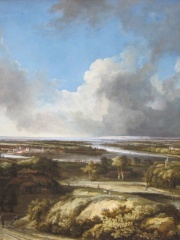
Philip de Koninck
1619 - 1688
HPI: 63.85
Rank: 708
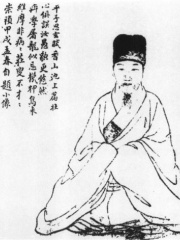
Dong Qichang
1555 - 1636
HPI: 63.84
Rank: 709
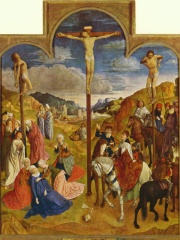
Justus van Gent
1430 - 1480
HPI: 63.83
Rank: 710
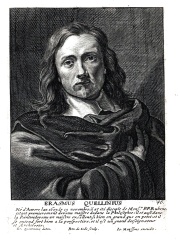
Erasmus Quellinus the Younger
1607 - 1678
HPI: 63.83
Rank: 711

Contemporaries
Among people born in 706, Han Gan ranks 2. Before him is Al-Walid II. After him is Telerig of Bulgaria. Among people deceased in 783, Han Gan ranks 5. Before him are Hildegard of the Vinzgau, Bertrada of Laon, Al-Muqanna, and Silo of Asturias. After him is Bashar ibn Burd.
Others Born in 706
Go to all Rankings
Al-Walid II
POLITICIAN
706 - 744
HPI: 70.45
Rank: 1
Han Gan
PAINTER
706 - 783
HPI: 63.87
Rank: 2
Telerig of Bulgaria
POLITICIAN
706 - 777
HPI: 61.44
Rank: 3
Others Deceased in 783
Go to all Rankings
Hildegard of the Vinzgau
COMPANION
758 - 783
HPI: 71.32
Rank: 1
Bertrada of Laon
NOBLEMAN
720 - 783
HPI: 69.58
Rank: 2

Al-Muqanna
POLITICIAN
800 - 783
HPI: 68.07
Rank: 3
Silo of Asturias
POLITICIAN
720 - 783
HPI: 65.37
Rank: 4
Han Gan
PAINTER
706 - 783
HPI: 63.87
Rank: 5

Bashar ibn Burd
RELIGIOUS FIGURE
714 - 783
HPI: 60.83
Rank: 6
In Chine
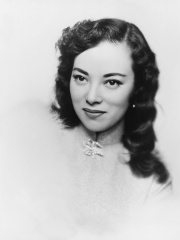
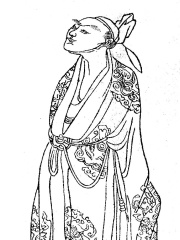
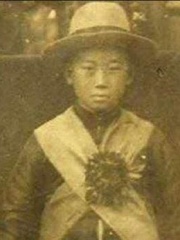
Among people born in Chine, Han Gan ranks 484 out of NaN. Before him are Yao Wenyuan (1931), Yang Xiong (-53), Yoshiko Yamaguchi (1920), Li He (790), Hong Tianguifu (1849), and Zhang Lu (101). After him are He Zizhen (1910), Wang Bi (226), Shaohao (null), Ruan Ji (210), Tonyukuk (646), and Dong Qichang (1555).
Others born in Chine
Go to all Rankings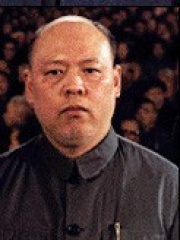
Yao Wenyuan
POLITICIAN
1931 - 2005
HPI: 64.05
Rank: 478

Yang Xiong
PHILOSOPHER
53 BC - 18
HPI: 64.00
Rank: 479
Yoshiko Yamaguchi
ACTOR
1920 - 2014
HPI: 63.97
Rank: 480
Li He
WRITER
790 - 816
HPI: 63.96
Rank: 481
Hong Tianguifu
POLITICIAN
1849 - 1864
HPI: 63.95
Rank: 482
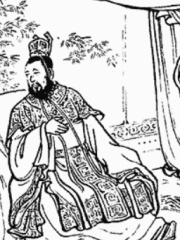
Zhang Lu
POLITICIAN
101 - 216
HPI: 63.90
Rank: 483
Han Gan
PAINTER
706 - 783
HPI: 63.87
Rank: 484
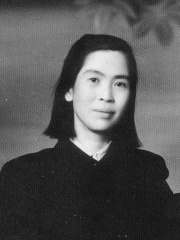
He Zizhen
POLITICIAN
1910 - 1984
HPI: 63.87
Rank: 485
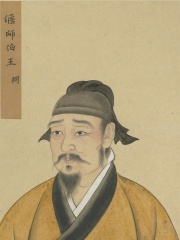
Wang Bi
PHILOSOPHER
226 - 249
HPI: 63.86
Rank: 486
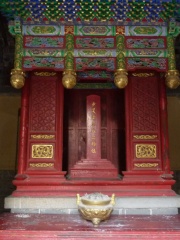
Shaohao
RELIGIOUS FIGURE
HPI: 63.86
Rank: 487
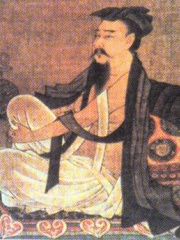
Ruan Ji
WRITER
210 - 263
HPI: 63.85
Rank: 488

Tonyukuk
POLITICIAN
646 - 724
HPI: 63.85
Rank: 489
Dong Qichang
PAINTER
1555 - 1636
HPI: 63.84
Rank: 490
Among Peintres In Chine
Among peintres born in Chine, Han Gan ranks 6. Before him are Shitao (1642), Gu Kaizhi (345), Mi Fu (1051), Guo Xi (1020), and Qi Baishi (1864). After him are Dong Qichang (1555), Tang Yin (1470), Liang Kai (1200), Bada Shanren (1626), Wen Zhengming (1470), and Shen Zhou (1427).
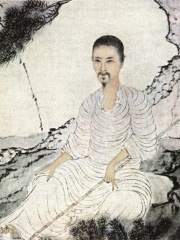
Shitao
1642 - 1707
HPI: 69.32
Rank: 1
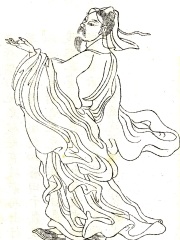
Gu Kaizhi
345 - 406
HPI: 66.60
Rank: 2
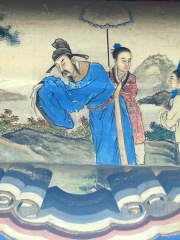
Mi Fu
1051 - 1107
HPI: 66.57
Rank: 3
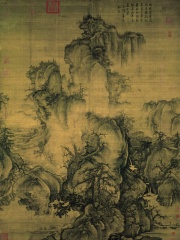
Guo Xi
1020 - 1090
HPI: 66.28
Rank: 4
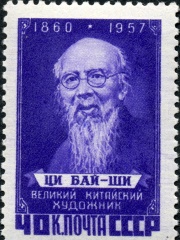
Qi Baishi
1864 - 1957
HPI: 65.83
Rank: 5
Han Gan
706 - 783
HPI: 63.87
Rank: 6
Dong Qichang
1555 - 1636
HPI: 63.84
Rank: 7
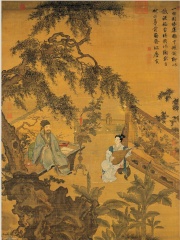
Tang Yin
1470 - 1524
HPI: 63.33
Rank: 8
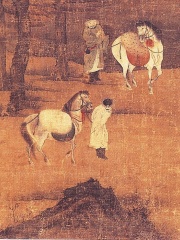
Liang Kai
1200 - 1300
HPI: 63.31
Rank: 9
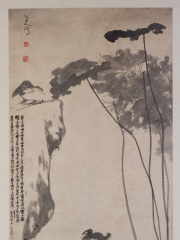
Bada Shanren
1626 - 1705
HPI: 63.17
Rank: 10
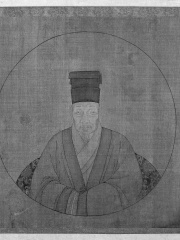
Wen Zhengming
1470 - 1559
HPI: 63.11
Rank: 11
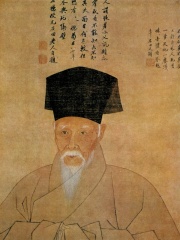
Shen Zhou
1427 - 1509
HPI: 63.08
Rank: 12