Peintre
Euphranor
301 BC - 400 BC
FR.WIKIPEDIA PAGE VIEWS (PV)
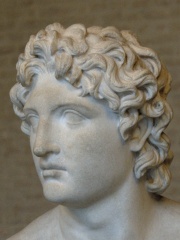
 Euphranor
Sa biographie est disponible en 17 langues sur Wikipédia. Euphranor est le 1,266th peintre le plus populaire (en baisse du 1,204th en 2024), la 592nd biographie la plus populaire de Grèce (en baisse du 550th en 2019), ainsi que le 10th peintre de Grèce le plus populaire.
Memorability Metrics
Page views of Euphranor by language
Among Peintres
Among peintres, Euphranor ranks 1,266 out of 2,023. Before him are Gustave Le Gray, Theodor Aman, Lygia Clark, Jan Frans van Bloemen, François Marius Granet, and Grigoriy Myasoyedov. After him are Julie Manet, George Dawe, Karl Friedrich Lessing, Orlan, Joachim Wtewael, and József Rippl-Rónai.
Most Popular Peintres in Wikipedia
Go to all Rankings
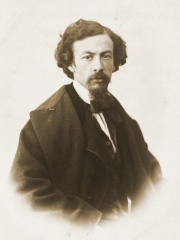
Gustave Le Gray
1820 - 1884
HPI: 59.58
Rank: 1,260
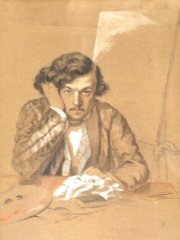
Theodor Aman
1831 - 1891
HPI: 59.58
Rank: 1,261

Lygia Clark
1920 - 1988
HPI: 59.57
Rank: 1,262

Jan Frans van Bloemen
1662 - 1749
HPI: 59.56
Rank: 1,263
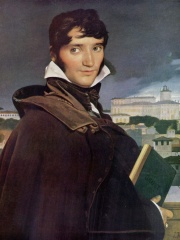
François Marius Granet
1775 - 1849
HPI: 59.56
Rank: 1,264
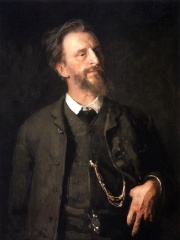
Grigoriy Myasoyedov
1834 - 1911
HPI: 59.55
Rank: 1,265
Euphranor
301 BC - 400 BC
HPI: 59.54
Rank: 1,266
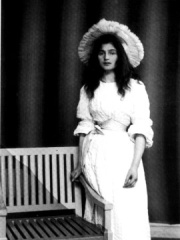
Julie Manet
1878 - 1966
HPI: 59.54
Rank: 1,267
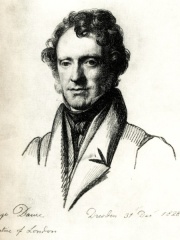
George Dawe
1781 - 1829
HPI: 59.54
Rank: 1,268
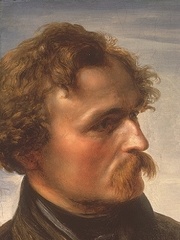
Karl Friedrich Lessing
1808 - 1880
HPI: 59.54
Rank: 1,269

Orlan
1947 - Present
HPI: 59.54
Rank: 1,270
Joachim Wtewael
1566 - 1638
HPI: 59.53
Rank: 1,271
József Rippl-Rónai
1861 - 1927
HPI: 59.53
Rank: 1,272

Contemporaries
Among people born in 301 BC, Euphranor ranks 7. Before him are Herostratus, Cleopatra Eurydice of Macedon, Eurydice II of Macedon, Sisygambis, Brennus, and Magas of Cyrene. Among people deceased in 400 BC, Euphranor ranks 35. Before him are Diphilus, Aeneas Tacticus, Cersobleptes, Lagus, Argaeus II of Macedon, and Philinna. After him are Pamphilus, Arsinoe of Macedon, Androtion, Sosipatra, Shi Shen, and Echion.
Others Born in 301 BC
Go to all Rankings
Herostratus
EXTREMIST
301 BC - 356 BC
HPI: 77.45
Rank: 1

Cleopatra Eurydice of Macedon
POLITICIAN
301 BC - 336 BC
HPI: 71.38
Rank: 2

Eurydice II of Macedon
COMPANION
301 BC - 317 BC
HPI: 67.18
Rank: 3
Sisygambis
POLITICIAN
301 BC - 323 BC
HPI: 67.00
Rank: 4

Brennus
POLITICIAN
301 BC - 279 BC
HPI: 62.70
Rank: 5
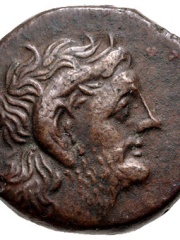
Magas of Cyrene
POLITICIAN
301 BC - 250 BC
HPI: 60.34
Rank: 6
Euphranor
PAINTER
301 BC - 400 BC
HPI: 59.54
Rank: 7
Others Deceased in 400 BC
Go to all Rankings
Diphilus
WRITER
350 BC - 400 BC
HPI: 60.34
Rank: 29

Aeneas Tacticus
WRITER
400 BC - 400 BC
HPI: 60.25
Rank: 30

Cersobleptes
POLITICIAN
350 BC - 400 BC
HPI: 60.25
Rank: 31

Lagus
POLITICIAN
400 BC - 400 BC
HPI: 60.09
Rank: 32

Argaeus II of Macedon
POLITICIAN
500 BC - 400 BC
HPI: 60.06
Rank: 33

Philinna
POLITICIAN
400 BC - 400 BC
HPI: 59.55
Rank: 34
Euphranor
PAINTER
301 BC - 400 BC
HPI: 59.54
Rank: 35

Pamphilus
PAINTER
390 BC - 400 BC
HPI: 59.50
Rank: 36

Arsinoe of Macedon
POLITICIAN
350 BC - 400 BC
HPI: 59.44
Rank: 37

Androtion
POLITICIAN
500 BC - 400 BC
HPI: 59.33
Rank: 38

Sosipatra
PHILOSOPHER
400 BC - 400 BC
HPI: 59.26
Rank: 39

Shi Shen
ASTRONOMER
400 BC - 400 BC
HPI: 58.53
Rank: 40

Echion
PAINTER
350 BC - 400 BC
HPI: 58.10
Rank: 41
In Grèce
Among people born in Grèce, Euphranor ranks 592 out of NaN. Before him are Apollodorus the Epicurean (-150), Joseph Sifakis (1946), Rhianus (-275), Ieronymos II of Athens (1938), Eudamidas III (-300), and Philinna (-400). After him are Theagenes of Megara (-700), Pamphilus (-390), Mentor of Rhodes (-380), Petros Persakis (1879), Areus II (-262), and Phaenias of Eresus (-400).
Others born in Grèce
Go to all Rankings
Apollodorus the Epicurean
PHILOSOPHER
150 BC - 150 BC
HPI: 59.70
Rank: 586
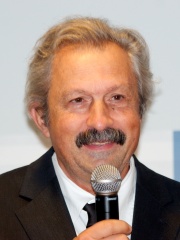
Joseph Sifakis
COMPUTER SCIENTIST
1946 - Present
HPI: 59.66
Rank: 587

Rhianus
WRITER
275 BC - 300 BC
HPI: 59.65
Rank: 588
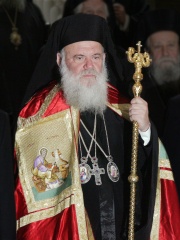
Ieronymos II of Athens
RELIGIOUS FIGURE
1938 - Present
HPI: 59.65
Rank: 589

Eudamidas III
POLITICIAN
300 BC - 300 BC
HPI: 59.63
Rank: 590
Philinna
POLITICIAN
400 BC - 400 BC
HPI: 59.55
Rank: 591
Euphranor
PAINTER
301 BC - 400 BC
HPI: 59.54
Rank: 592

Theagenes of Megara
POLITICIAN
700 BC - 600 BC
HPI: 59.51
Rank: 593
Pamphilus
PAINTER
390 BC - 400 BC
HPI: 59.50
Rank: 594

Mentor of Rhodes
SOCIAL ACTIVIST
380 BC - 340 BC
HPI: 59.44
Rank: 595

Petros Persakis
GYMNAST
1879 - 1952
HPI: 59.42
Rank: 596
Areus II
POLITICIAN
262 BC - 254 BC
HPI: 59.39
Rank: 597

Phaenias of Eresus
PHILOSOPHER
400 BC - 360 BC
HPI: 59.39
Rank: 598
Among Peintres In Grèce
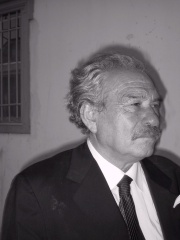
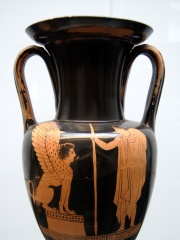
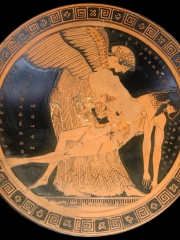
Among peintres born in Grèce, Euphranor ranks 10. Before him are Jannis Kounellis (1936), Agatharchus (-500), Achilles Painter (-470), Timarete (-420), Apollodorus (-500), and Douris (-600). After him are Pamphilus (-390), Yannis Tsarouchis (1910), Nikiforos Lytras (1832), and Thalia Flora-Karavia (1871).
Jannis Kounellis
1936 - 2017
HPI: 64.32
Rank: 4

Agatharchus
500 BC - 460 BC
HPI: 63.15
Rank: 5
Achilles Painter
470 BC - 425 BC
HPI: 61.86
Rank: 6

Timarete
420 BC - 400 BC
HPI: 60.98
Rank: 7

Apollodorus
500 BC - 460 BC
HPI: 60.97
Rank: 8
Douris
600 BC - 500 BC
HPI: 60.09
Rank: 9
Euphranor
301 BC - 400 BC
HPI: 59.54
Rank: 10
Pamphilus
390 BC - 400 BC
HPI: 59.50
Rank: 11
Yannis Tsarouchis
1910 - 1989
HPI: 55.69
Rank: 12
Nikiforos Lytras
1832 - 1904
HPI: 53.69
Rank: 13

Thalia Flora-Karavia
1871 - 1960
HPI: 51.94
Rank: 14