Historien
Dino Compagni
1255 - 1324
FR.WIKIPEDIA PAGE VIEWS (PV)
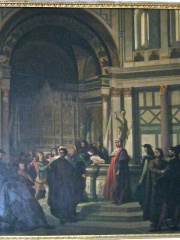
 Dino Compagni
Sa biographie est disponible en 17 langues sur Wikipédia (en hausse par rapport à 16 en 2024). Dino Compagni est le 357th historien le plus populaire (en hausse du 391st en 2024), la 3,301st biographie la plus populaire d'Italie (en hausse du 3,491st en 2019), ainsi que le 24th historien d'Italie le plus populaire.
Memorability Metrics
Page views of Dino Compagni by language
Among Historiens
Among historiens, Dino Compagni ranks 357 out of 561. Before him are Jérôme Carcopino, Nicholas Adontz, Kurt Aland, Milan Šufflay, Fernão Lopes, and Hafiz-i Abru. After him are J. B. Bury, Edward Granville Browne, Miroslav Hroch, Fenestella, Israel Gutman, and Donald Kagan.
Most Popular Historiens in Wikipedia
Go to all Rankings
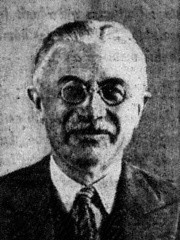
Jérôme Carcopino
1881 - 1970
HPI: 57.87
Rank: 351
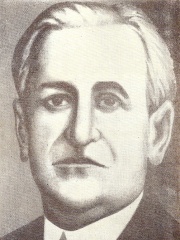
Nicholas Adontz
1871 - 1942
HPI: 57.87
Rank: 352
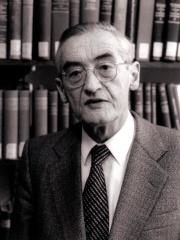
Kurt Aland
1915 - 1994
HPI: 57.83
Rank: 353
Milan Šufflay
1879 - 1931
HPI: 57.74
Rank: 354
Fernão Lopes
1385 - 1458
HPI: 57.72
Rank: 355
Hafiz-i Abru
HPI: 57.69
Rank: 356
Dino Compagni
1255 - 1324
HPI: 57.67
Rank: 357
J. B. Bury
1861 - 1927
HPI: 57.65
Rank: 358
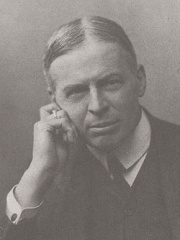
Edward Granville Browne
1862 - 1926
HPI: 57.57
Rank: 359

Miroslav Hroch
1932 - Present
HPI: 57.52
Rank: 360

Fenestella
36 BC - 34
HPI: 57.47
Rank: 361
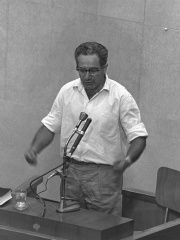
Israel Gutman
1923 - 2013
HPI: 57.42
Rank: 362
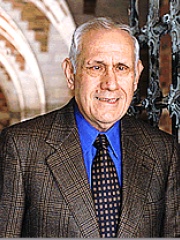
Donald Kagan
1932 - 2021
HPI: 57.42
Rank: 363

Contemporaries
Among people born in 1255, Dino Compagni ranks 9. Before him are Adolf of Germany, George, Emperor of Trebizond, Reginald I of Guelders, Elizabeth of Hungary, Queen of Serbia, Ferdinand de la Cerda, and Andrey of Gorodets. Among people deceased in 1324, Dino Compagni ranks 8. Before him are Malhun Hatun, Henry II of Jerusalem, Marie of Luxembourg, Queen of France, Emperor Go-Uda, Hedwig of Holstein, and Irene of Brunswick.
Others Born in 1255
Go to all Rankings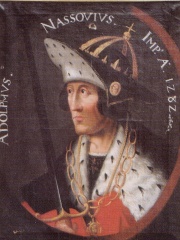
Adolf of Germany
POLITICIAN
1255 - 1298
HPI: 73.90
Rank: 3
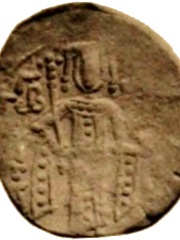
George, Emperor of Trebizond
POLITICIAN
1255 - 1284
HPI: 61.48
Rank: 4
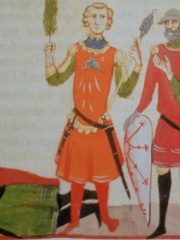
Reginald I of Guelders
POLITICIAN
1255 - 1326
HPI: 61.32
Rank: 5
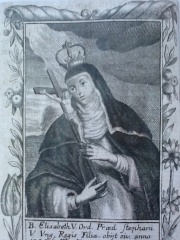
Elizabeth of Hungary, Queen of Serbia
COMPANION
1255 - 1313
HPI: 61.04
Rank: 6
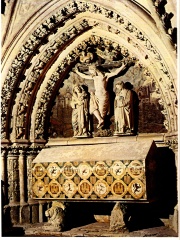
Ferdinand de la Cerda
NOBLEMAN
1255 - 1275
HPI: 60.01
Rank: 7
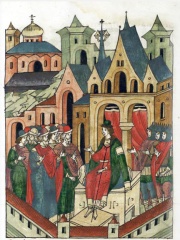
Andrey of Gorodets
POLITICIAN
1255 - 1304
HPI: 59.25
Rank: 8
Dino Compagni
HISTORIAN
1255 - 1324
HPI: 57.67
Rank: 9
Others Deceased in 1324
Go to all Rankings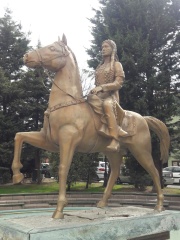
Malhun Hatun
COMPANION
1350 - 1324
HPI: 74.09
Rank: 2
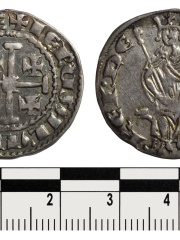
Henry II of Jerusalem
NOBLEMAN
1271 - 1324
HPI: 71.17
Rank: 3
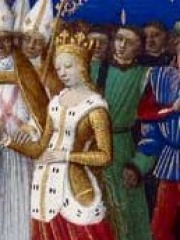
Marie of Luxembourg, Queen of France
POLITICIAN
1305 - 1324
HPI: 68.05
Rank: 4
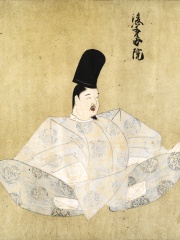
Emperor Go-Uda
POLITICIAN
1267 - 1324
HPI: 66.53
Rank: 5
Hedwig of Holstein
COMPANION
1260 - 1324
HPI: 59.68
Rank: 6

Irene of Brunswick
COMPANION
1293 - 1324
HPI: 58.85
Rank: 7
Dino Compagni
HISTORIAN
1255 - 1324
HPI: 57.67
Rank: 8
In Italie
Among people born in Italie, Dino Compagni ranks 3,302 out of NaN. Before him are Marco da Gagliano (1582), Eugenio Tosi (1864), Mario Genta (1912), Fulvio Bernardini (1905), Alois Riehl (1844), and Vasco Pratolini (1913). After him are Michele Carafa (1787), Marcella Bella (1952), Michele Morosini (1308), Giuseppe Bottai (1895), Stephan El Shaarawy (1992), and Antonio Maria Bononcini (1677).
Others born in Italie
Go to all Rankings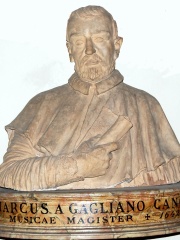
Marco da Gagliano
COMPOSER
1582 - 1643
HPI: 57.69
Rank: 3,296
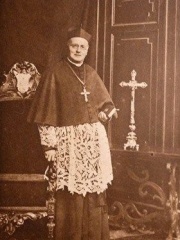
Eugenio Tosi
RELIGIOUS FIGURE
1864 - 1929
HPI: 57.69
Rank: 3,297
Mario Genta
SOCCER PLAYER
1912 - 1993
HPI: 57.68
Rank: 3,298
Fulvio Bernardini
SOCCER PLAYER
1905 - 1984
HPI: 57.68
Rank: 3,299

Alois Riehl
PHILOSOPHER
1844 - 1924
HPI: 57.67
Rank: 3,300

Vasco Pratolini
WRITER
1913 - 1991
HPI: 57.67
Rank: 3,301
Dino Compagni
HISTORIAN
1255 - 1324
HPI: 57.67
Rank: 3,302
Michele Carafa
COMPOSER
1787 - 1872
HPI: 57.65
Rank: 3,303

Marcella Bella
SINGER
1952 - Present
HPI: 57.65
Rank: 3,304
Michele Morosini
POLITICIAN
1308 - 1382
HPI: 57.65
Rank: 3,305
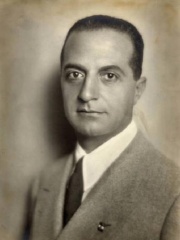
Giuseppe Bottai
POLITICIAN
1895 - 1959
HPI: 57.64
Rank: 3,306

Stephan El Shaarawy
SOCCER PLAYER
1992 - Present
HPI: 57.64
Rank: 3,307
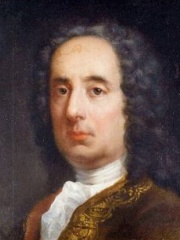
Antonio Maria Bononcini
MUSICIAN
1677 - 1726
HPI: 57.64
Rank: 3,308
Among Historiens In Italie
Among historiens born in Italie, Dino Compagni ranks 24. Before him are Philistus (-430), Festus (390), Marino Sanuto the Younger (1466), Filippo Baldinucci (1625), Quintus Claudius Quadrigarius (-200), and Andrea Riccardi (1950). After him are Michele Amari (1806), Girolamo Mei (1519), and Alessandro Barbero (1959).
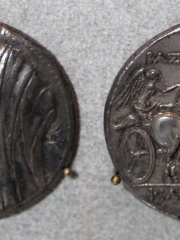
Philistus
430 BC - 356 BC
HPI: 60.06
Rank: 18
Festus
390 - 380
HPI: 59.98
Rank: 19

Marino Sanuto the Younger
1466 - 1536
HPI: 59.46
Rank: 20
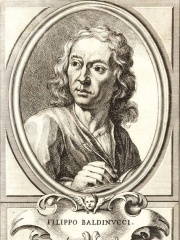
Filippo Baldinucci
1625 - 1697
HPI: 59.04
Rank: 21

Quintus Claudius Quadrigarius
200 BC - 100 BC
HPI: 58.13
Rank: 22
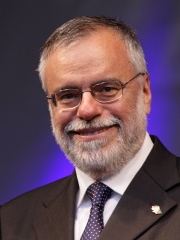
Andrea Riccardi
1950 - Present
HPI: 58.10
Rank: 23
Dino Compagni
1255 - 1324
HPI: 57.67
Rank: 24
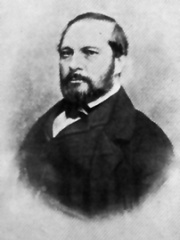
Michele Amari
1806 - 1889
HPI: 56.92
Rank: 25

Girolamo Mei
1519 - 1594
HPI: 55.20
Rank: 26
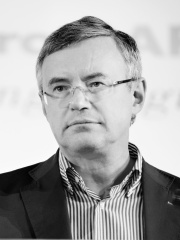
Alessandro Barbero
1959 - Present
HPI: 52.33
Rank: 27