Figura religiosa
Friar Julian
1250 - presente
ES.WIKIPEDIA PAGE VIEWS (PV)
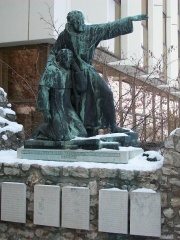
 Friar Julian
Su biografía está disponible en 18 idiomas en Wikipedia (aumentó de 17 en 2024). Friar Julian ocupa el puesto 2006 entre los figura religiosa más populares (bajó del puesto 1925 en 2024), el puesto 318 entre las biografías más populares de Hungría (subió del puesto 327 en 2019) y el puesto 9 entre los figura religiosa de hungría más populares.
Memorability Metrics
Page views of Friar Julian by language
Among Figura religiosas
Among figura religiosas, Friar Julian ranks 2,006 out of 3,187. Before him are Theodor Innitzer, Stanislaus Hosius, Enrico Dante, Hashem Safieddine, Julie Billiart, and Pedro Barreto. After him are John Scholasticus, Alexius of Constantinople, Gershom ben Judah, Carlo Acutis, Alojs Andritzki, and Peter Fourier.
Most Popular Figura Religiosas in Wikipedia
Go to all Rankings
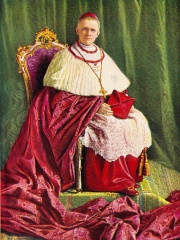
Theodor Innitzer
1875 - 1955
HPI: 60.72
Rank: 2,000
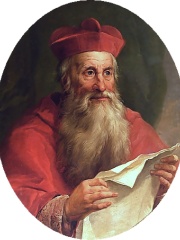
Stanislaus Hosius
1504 - 1579
HPI: 60.71
Rank: 2,001
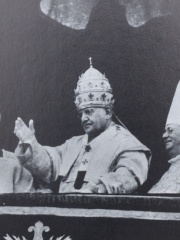
Enrico Dante
1884 - 1967
HPI: 60.70
Rank: 2,002
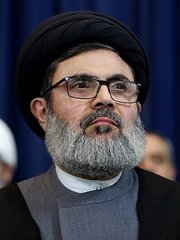
Hashem Safieddine
1964 - 2024
HPI: 60.69
Rank: 2,003
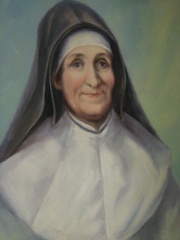
Julie Billiart
1751 - 1816
HPI: 60.69
Rank: 2,004
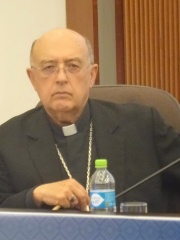
Pedro Barreto
1944 - Present
HPI: 60.69
Rank: 2,005
Friar Julian
1250 - Present
HPI: 60.69
Rank: 2,006

John Scholasticus
503 - 577
HPI: 60.67
Rank: 2,007
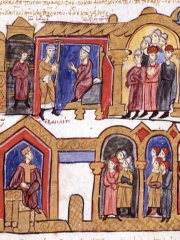
Alexius of Constantinople
HPI: 60.67
Rank: 2,008

Gershom ben Judah
960 - 1028
HPI: 60.67
Rank: 2,009

Carlo Acutis
1991 - 2006
HPI: 60.67
Rank: 2,010
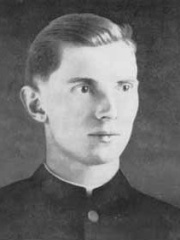
Alojs Andritzki
1914 - 1943
HPI: 60.67
Rank: 2,011
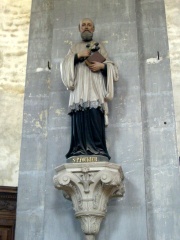
Peter Fourier
1565 - 1640
HPI: 60.66
Rank: 2,012

Contemporaries
Among people born in 1250, Friar Julian ranks 27. Before him are Albert II, Duke of Saxony, Alexios Apokaukos, Jayavarman VIII, Raden Wijaya, Tarmashirin, and Matteo I Visconti. After him are Ghiyath al-Din Tughluq, Simon of Kéza, Maso di Banco, Rebecca Guarna, Margaret of Burgundy, Queen of Sicily, and Albert III, Margrave of Brandenburg-Salzwedel.
Others Born in 1250
Go to all Rankings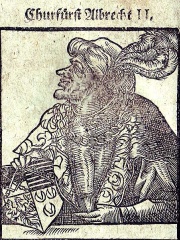
Albert II, Duke of Saxony
POLITICIAN
1250 - 1298
HPI: 61.75
Rank: 21
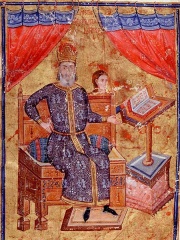
Alexios Apokaukos
MILITARY PERSONNEL
1250 - 1345
HPI: 61.54
Rank: 22

Jayavarman VIII
POLITICIAN
1250 - Present
HPI: 61.43
Rank: 23
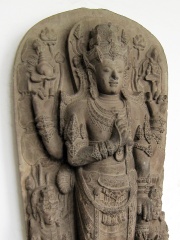
Raden Wijaya
MILITARY PERSONNEL
1250 - 1309
HPI: 61.41
Rank: 24
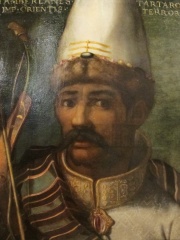
Tarmashirin
POLITICIAN
1250 - 1334
HPI: 61.34
Rank: 25
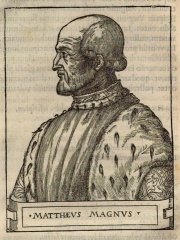
Matteo I Visconti
MILITARY PERSONNEL
1250 - 1322
HPI: 60.78
Rank: 26
Friar Julian
RELIGIOUS FIGURE
1250 - Present
HPI: 60.69
Rank: 27
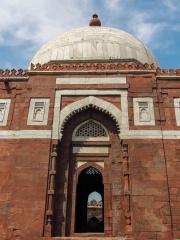
Ghiyath al-Din Tughluq
POLITICIAN
1250 - 1325
HPI: 60.21
Rank: 28

Simon of Kéza
WRITER
1250 - 1301
HPI: 60.20
Rank: 29

Maso di Banco
PAINTER
1250 - 1348
HPI: 60.17
Rank: 30

Rebecca Guarna
PHYSICIAN
1250 - Present
HPI: 59.75
Rank: 31
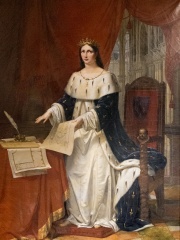
Margaret of Burgundy, Queen of Sicily
POLITICIAN
1250 - 1308
HPI: 59.73
Rank: 32
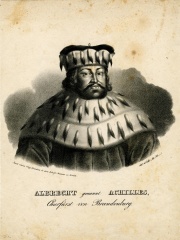
Albert III, Margrave of Brandenburg-Salzwedel
NOBLEMAN
1250 - 1300
HPI: 59.61
Rank: 33
In Hungría
Among people born in Hungría, Friar Julian ranks 318 out of NaN. Before him are Géza Toldi (1909), Imre Földi (1938), Mihály Vörösmarty (1800), Ferenc Gyurcsány (1961), İbrahim Peçevi (1574), and Lippo Hertzka (1904). After him are Gyula Kellner (1871), Mária Mednyánszky (1901), Nicholas Kaldor (1908), Paul Halmos (1916), Gyula Károlyi (1871), and Johann Löwenthal (1810).
Others born in Hungría
Go to all Rankings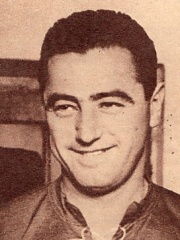
Géza Toldi
SOCCER PLAYER
1909 - 1985
HPI: 60.77
Rank: 312

Imre Földi
ATHLETE
1938 - 2017
HPI: 60.77
Rank: 313
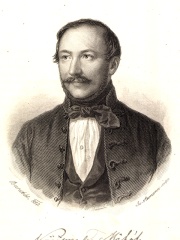
Mihály Vörösmarty
WRITER
1800 - 1855
HPI: 60.76
Rank: 314

Ferenc Gyurcsány
POLITICIAN
1961 - Present
HPI: 60.72
Rank: 315
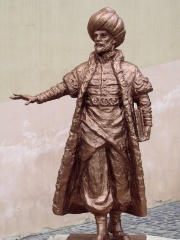
İbrahim Peçevi
HISTORIAN
1574 - 1650
HPI: 60.72
Rank: 316

Lippo Hertzka
SOCCER PLAYER
1904 - 1951
HPI: 60.70
Rank: 317
Friar Julian
RELIGIOUS FIGURE
1250 - Present
HPI: 60.69
Rank: 318
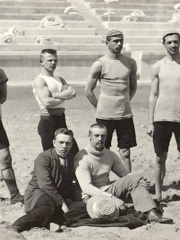
Gyula Kellner
ATHLETE
1871 - 1940
HPI: 60.61
Rank: 319
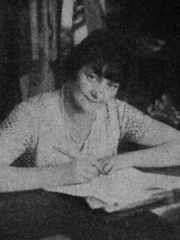
Mária Mednyánszky
TABLE TENNIS PLAYER
1901 - 1978
HPI: 60.60
Rank: 320
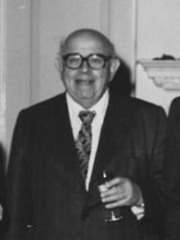
Nicholas Kaldor
ECONOMIST
1908 - 1986
HPI: 60.60
Rank: 321
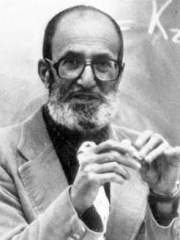
Paul Halmos
MATHEMATICIAN
1916 - 2006
HPI: 60.58
Rank: 322
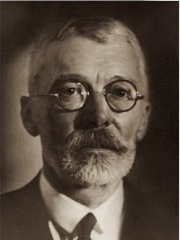
Gyula Károlyi
POLITICIAN
1871 - 1947
HPI: 60.57
Rank: 323
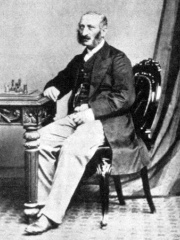
Johann Löwenthal
POLITICIAN
1810 - 1876
HPI: 60.57
Rank: 324
Among Figura religiosas In Hungría
Among figura religiosas born in Hungría, Friar Julian ranks 9. Before him are Kinga of Poland (1224), József Mindszenty (1892), Saint Emeric of Hungary (1000), Saint Margaret of Scotland (1045), Yolanda of Poland (1235), and Nicolaus Olahus (1493). After him are Sára Salkaházi (1899), László Paskai (1927), Vilmos Zsigmond (1930), László Lékai (1910), Lajos Haynald (1816), and János Simor (1813).
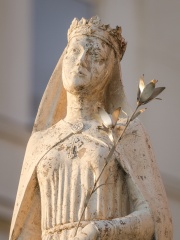
Kinga of Poland
1224 - 1292
HPI: 70.77
Rank: 3

József Mindszenty
1892 - 1975
HPI: 69.50
Rank: 4
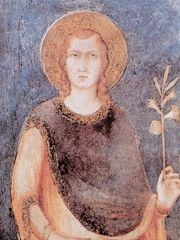
Saint Emeric of Hungary
1000 - 1031
HPI: 67.21
Rank: 5
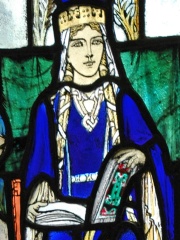
Saint Margaret of Scotland
1045 - 1093
HPI: 67.12
Rank: 6
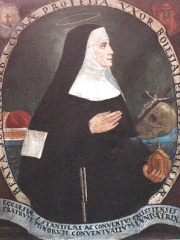
Yolanda of Poland
1235 - 1298
HPI: 66.29
Rank: 7
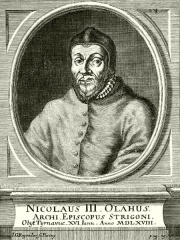
Nicolaus Olahus
1493 - 1568
HPI: 62.56
Rank: 8
Friar Julian
1250 - Present
HPI: 60.69
Rank: 9
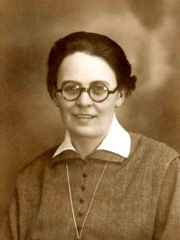
Sára Salkaházi
1899 - 1944
HPI: 60.32
Rank: 10
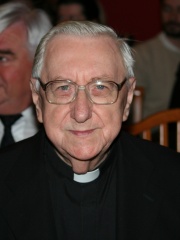
László Paskai
1927 - 2015
HPI: 59.65
Rank: 11
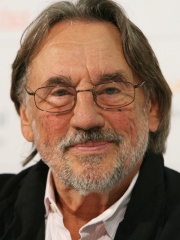
Vilmos Zsigmond
1930 - 2016
HPI: 59.47
Rank: 12
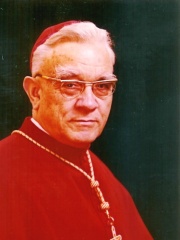
László Lékai
1910 - 1986
HPI: 58.56
Rank: 13
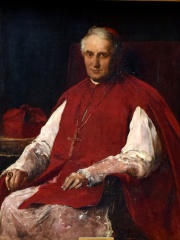
Lajos Haynald
1816 - 1891
HPI: 58.33
Rank: 14
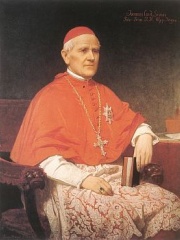
János Simor
1813 - 1891
HPI: 57.58
Rank: 15