Político
Dian Wei
150 - 197
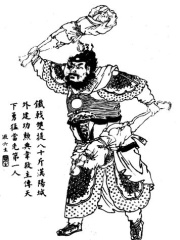
 Dian Wei
Su biografía está disponible en 17 idiomas en Wikipedia. Dian Wei ocupa el puesto 5174 entre los político más populares (subió del puesto 5300 en 2024), el puesto 348 entre las biografías más populares de China (subió del puesto 406 en 2019) y el puesto 213 entre los político de china más populares.
Memorability Metrics
Page views of Dian Wei by language
Among Políticos
Among políticos, Dian Wei ranks 5,174 out of 19,576. Before him are Countess Claudine Rhédey von Kis-Rhéde, Princess Marie Isabelle of Orléans, Favila of Asturias, Emperor Go-Horikawa, Sophonisba, and Sarduri II. After him are Hōjō Tokimune, S. Jaishankar, Andrius Kubilius, Dieter Wisliceny, Duke Huan of Qi, and Al-Musta'li.
Most Popular Políticos in Wikipedia
Go to all Rankings

Countess Claudine Rhédey von Kis-Rhéde
1812 - 1841
HPI: 66.33
Rank: 5,170
Princess Marie Isabelle of Orléans
1848 - 1919
HPI: 66.32
Rank: 5,171
Favila of Asturias
715 - 739
HPI: 66.32
Rank: 5,172

Emperor Go-Horikawa
1212 - 1234
HPI: 66.32
Rank: 5,173

Sophonisba
300 BC - 203 BC
HPI: 66.32
Rank: 5,174
Sarduri II
790 BC - 735 BC
HPI: 66.32
Rank: 5,175
Dian Wei
150 - 197
HPI: 66.32
Rank: 5,176
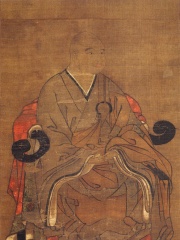
Hōjō Tokimune
1251 - 1284
HPI: 66.32
Rank: 5,177
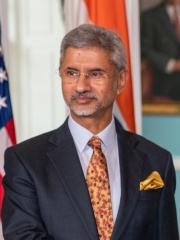
S. Jaishankar
1955 - Present
HPI: 66.31
Rank: 5,178

Andrius Kubilius
1956 - Present
HPI: 66.31
Rank: 5,179
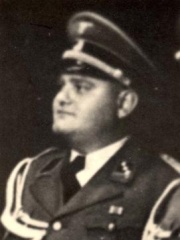
Dieter Wisliceny
1911 - 1948
HPI: 66.31
Rank: 5,180
Duke Huan of Qi
800 BC - 643 BC
HPI: 66.31
Rank: 5,181
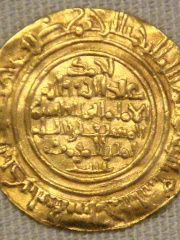
Al-Musta'li
1076 - 1101
HPI: 66.31
Rank: 5,182

Contemporaries
Among people born in 150, Dian Wei ranks 9. Before him are Clement of Alexandria, Pope Zephyrinus, Clodius Albinus, Lucilla, Vologases IV, and Gogukcheon of Goguryeo. After him are Zhang Zhongjing, Aristides of Athens, Mariniana, Dionysius of Corinth, Gaius Fulvius Plautianus, and Aquilia Severa. Among people deceased in 197, Dian Wei ranks 3. Before him are Clodius Albinus, and Gogukcheon of Goguryeo.
Others Born in 150
Go to all Rankings
Clement of Alexandria
PHILOSOPHER
150 - 215
HPI: 75.69
Rank: 3
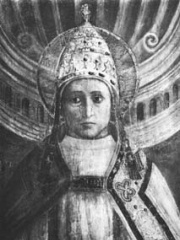
Pope Zephyrinus
RELIGIOUS FIGURE
150 - 217
HPI: 75.21
Rank: 4
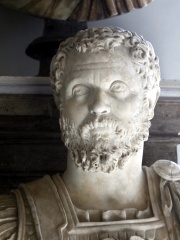
Clodius Albinus
POLITICIAN
150 - 197
HPI: 73.92
Rank: 5
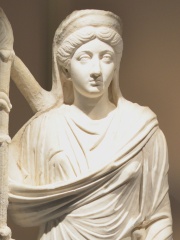
Lucilla
POLITICIAN
150 - 182
HPI: 73.72
Rank: 6
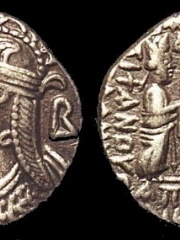
Vologases IV
POLITICIAN
150 - 191
HPI: 68.17
Rank: 7
Gogukcheon of Goguryeo
POLITICIAN
150 - 197
HPI: 66.50
Rank: 8
Dian Wei
POLITICIAN
150 - 197
HPI: 66.32
Rank: 9
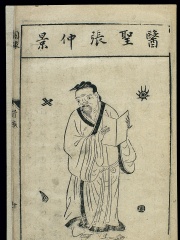
Zhang Zhongjing
PHYSICIAN
150 - 219
HPI: 65.86
Rank: 10

Aristides of Athens
RELIGIOUS FIGURE
150 - 134
HPI: 65.36
Rank: 11
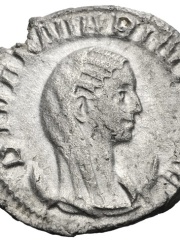
Mariniana
COMPANION
150 - Present
HPI: 65.09
Rank: 12

Dionysius of Corinth
RELIGIOUS FIGURE
150 - 171
HPI: 63.78
Rank: 13
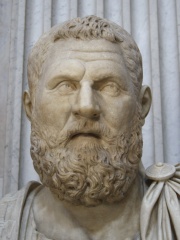
Gaius Fulvius Plautianus
POLITICIAN
150 - 205
HPI: 63.26
Rank: 14
Aquilia Severa
COMPANION
150 - Present
HPI: 62.92
Rank: 15
Others Deceased in 197
Go to all RankingsClodius Albinus
POLITICIAN
150 - 197
HPI: 73.92
Rank: 1
Gogukcheon of Goguryeo
POLITICIAN
150 - 197
HPI: 66.50
Rank: 2
Dian Wei
POLITICIAN
150 - 197
HPI: 66.32
Rank: 3
In China
Among people born in China, Dian Wei ranks 348 out of NaN. Before him are Taishi Ci (166), Emperor Wuzong of Tang (814), Li Zongren (1890), Emperor An of Han (94), Emperor Guangzong of Song (1147), and Meng Huo (101). After him are Duke Huan of Qi (-800), Xu Guangqi (1562), Joseph Zen (1932), Guo Xi (1020), Huo Qubing (-140), and Lu Yu (733).
Others born in China
Go to all Rankings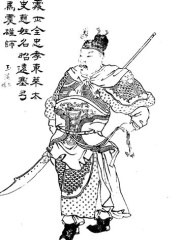
Taishi Ci
POLITICIAN
166 - 206
HPI: 66.43
Rank: 342
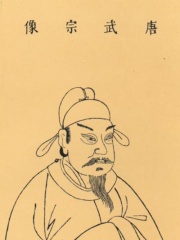
Emperor Wuzong of Tang
POLITICIAN
814 - 846
HPI: 66.39
Rank: 343
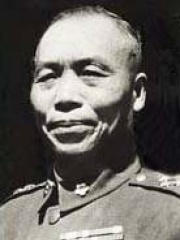
Li Zongren
POLITICIAN
1890 - 1969
HPI: 66.38
Rank: 344

Emperor An of Han
POLITICIAN
94 - 125
HPI: 66.34
Rank: 345
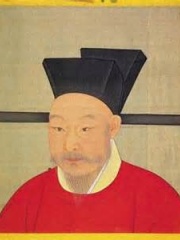
Emperor Guangzong of Song
POLITICIAN
1147 - 1200
HPI: 66.33
Rank: 346
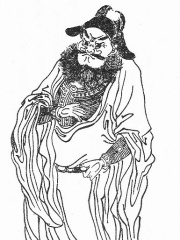
Meng Huo
SOCIAL ACTIVIST
101 - 300
HPI: 66.32
Rank: 347
Dian Wei
POLITICIAN
150 - 197
HPI: 66.32
Rank: 348
Duke Huan of Qi
POLITICIAN
800 BC - 643 BC
HPI: 66.31
Rank: 349
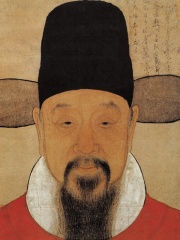
Xu Guangqi
MATHEMATICIAN
1562 - 1633
HPI: 66.30
Rank: 350
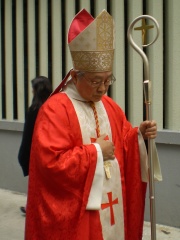
Joseph Zen
RELIGIOUS FIGURE
1932 - Present
HPI: 66.29
Rank: 351

Guo Xi
PAINTER
1020 - 1090
HPI: 66.28
Rank: 352
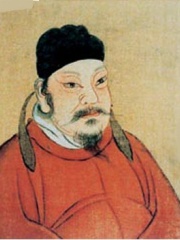
Huo Qubing
POLITICIAN
140 BC - 117 BC
HPI: 66.24
Rank: 353
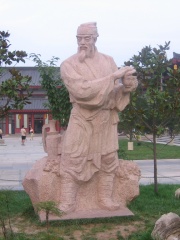
Lu Yu
WRITER
733 - 804
HPI: 66.22
Rank: 354
Among Políticos In China
Among políticos born in China, Dian Wei ranks 213. Before him are Ruzi Ying (5), Taishi Ci (166), Emperor Wuzong of Tang (814), Li Zongren (1890), Emperor An of Han (94), and Emperor Guangzong of Song (1147). After him are Duke Huan of Qi (-800), Huo Qubing (-140), Liu Zhang (200), Emperor He of Han (79), Kong Rong (153), and Zhang Xueliang (1901).

Ruzi Ying
5 - 25
HPI: 66.44
Rank: 207
Taishi Ci
166 - 206
HPI: 66.43
Rank: 208
Emperor Wuzong of Tang
814 - 846
HPI: 66.39
Rank: 209
Li Zongren
1890 - 1969
HPI: 66.38
Rank: 210
Emperor An of Han
94 - 125
HPI: 66.34
Rank: 211
Emperor Guangzong of Song
1147 - 1200
HPI: 66.33
Rank: 212
Dian Wei
150 - 197
HPI: 66.32
Rank: 213
Duke Huan of Qi
800 BC - 643 BC
HPI: 66.31
Rank: 214
Huo Qubing
140 BC - 117 BC
HPI: 66.24
Rank: 215
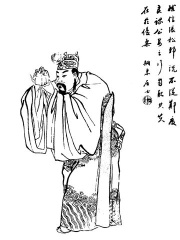
Liu Zhang
200 - 219
HPI: 66.09
Rank: 216
Emperor He of Han
79 - 106
HPI: 66.07
Rank: 217
Kong Rong
153 - 208
HPI: 66.07
Rank: 218
Zhang Xueliang
1901 - 2001
HPI: 65.97
Rank: 219