Político
Assaracus

 Assaracus
En la mitología griega, Asáraco (en griego antiguo, Ἀσσάρακος, Assarakos) era el segundo hijo del rey Tros de Dardania. Heredó el trono cuando su hermano mayor Ilo prefirió reinar sobre su recientemente fundada ciudad de Ilión, que llegaría a ser más conocida como Troya. Asáraco se casó con una hija del oceánida Simois: Hieromneme. Leer más en Wikipedia
His biography is available in 24 different languages on Wikipedia (up from 22 in 2024). Assaracus is the 9,896th most popular político (down from 9,506th in 2024), the 815th most popular biography from Türkiye (down from 801st in 2019) and the 385th most popular Turkish Político.
Memorability Metrics
Page views of Assaracus by language
Among Políticos
Among políticos, Assaracus ranks 9,896 out of 19,576. Before him are Radu IV the Great, Abu Abdallah Mohammed II Saadi, Frédéric François-Marsal, Bel-ibni, Jacques-François Menou, and Ho Feng-Shan. After him are Ilu-shuma, Hovhannes Kajaznuni, Lais of Hyccara, Gogugyang of Goguryeo, Louis François Joseph, Prince of Conti, and Gnaeus Domitius Ahenobarbus.
Most Popular Políticos in Wikipedia
Go to all Rankings
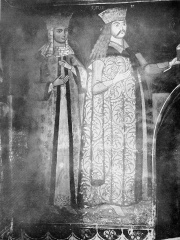
Radu IV the Great
1467 - 1508
HPI: 61.39
Rank: 9,895

Abu Abdallah Mohammed II Saadi
1550 - 1578
HPI: 61.39
Rank: 9,896
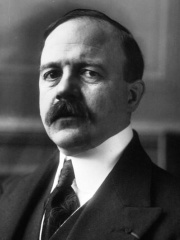
Frédéric François-Marsal
1874 - 1958
HPI: 61.39
Rank: 9,897

Bel-ibni
800 BC - 700 BC
HPI: 61.39
Rank: 9,898
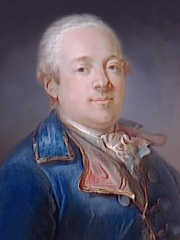
Jacques-François Menou
1750 - 1810
HPI: 61.39
Rank: 9,899
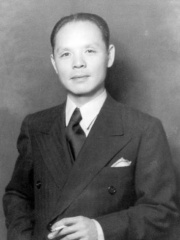
Ho Feng-Shan
1901 - 1997
HPI: 61.39
Rank: 9,900
Assaracus
HPI: 61.39
Rank: 9,901

Ilu-shuma
2000 BC - 2000 BC
HPI: 61.39
Rank: 9,902
Hovhannes Kajaznuni
1868 - 1938
HPI: 61.38
Rank: 9,903
Lais of Hyccara
400 BC - 360 BC
HPI: 61.38
Rank: 9,904
Gogugyang of Goguryeo
350 - 391
HPI: 61.38
Rank: 9,905
Louis François Joseph, Prince of Conti
1734 - 1814
HPI: 61.38
Rank: 9,906
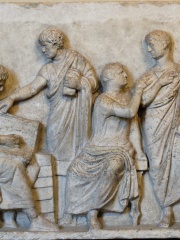
Gnaeus Domitius Ahenobarbus
200 BC - 104 BC
HPI: 61.38
Rank: 9,907

In Türkiye
Among people born in Türkiye, Assaracus ranks 815 out of 1,347. Before him are Hezârfen Ahmed Çelebi (1609), Athanasius I of Constantinople (1230), George, Emperor of Trebizond (1255), Tatikios (1100), Timotheus of Miletus (-450), and Polemon I of Pontus (-65). After him are Cezayirli Gazi Hasan Pasha (1713), Nureddin Pasha (1873), John of Ephesus (507), Antimachus (-400), Constantine Ypsilantis (1760), and Bryaxis (-400).
Others born in Türkiye
Go to all Rankings
Hezârfen Ahmed Çelebi
PILOT
1609 - 1640
HPI: 61.51
Rank: 809

Athanasius I of Constantinople
RELIGIOUS FIGURE
1230 - 1310
HPI: 61.49
Rank: 810
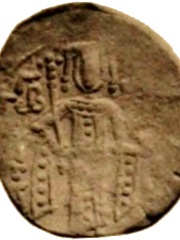
George, Emperor of Trebizond
POLITICIAN
1255 - 1284
HPI: 61.48
Rank: 811

Tatikios
MILITARY PERSONNEL
1100 - 1099
HPI: 61.47
Rank: 812

Timotheus of Miletus
WRITER
450 BC - 360 BC
HPI: 61.45
Rank: 813

Polemon I of Pontus
WRITER
65 BC - 8 BC
HPI: 61.43
Rank: 814
Assaracus
POLITICIAN
HPI: 61.39
Rank: 815
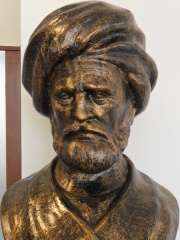
Cezayirli Gazi Hasan Pasha
POLITICIAN
1713 - 1790
HPI: 61.34
Rank: 816
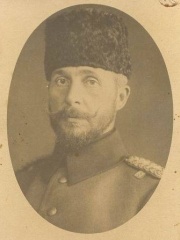
Nureddin Pasha
MILITARY PERSONNEL
1873 - 1932
HPI: 61.34
Rank: 817

John of Ephesus
WRITER
507 - 588
HPI: 61.32
Rank: 818
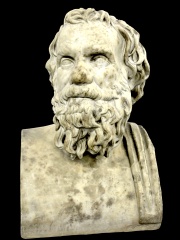
Antimachus
WRITER
400 BC - 348 BC
HPI: 61.32
Rank: 819
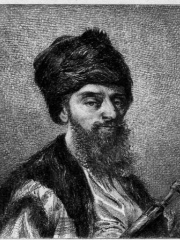
Constantine Ypsilantis
POLITICIAN
1760 - 1816
HPI: 61.32
Rank: 820

Bryaxis
SCULPTOR
400 BC - 360 BC
HPI: 61.30
Rank: 821
Among Políticos In Türkiye
Among políticos born in Türkiye, Assaracus ranks 385. Before him are Thoros III, King of Armenia (1270), Nicomedes II of Bithynia (-200), Tevfik Esenç (1904), Bohemond V of Antioch (1199), Ishme-Dagan I (-1780), and George, Emperor of Trebizond (1255). After him are Cezayirli Gazi Hasan Pasha (1713), Constantine Ypsilantis (1760), Rauf Orbay (1881), Hecatomnus (-500), Audoin (541), and George Mouzalon (1220).
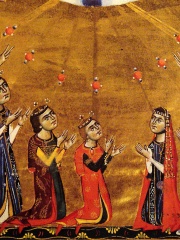
Thoros III, King of Armenia
1270 - 1298
HPI: 61.86
Rank: 379
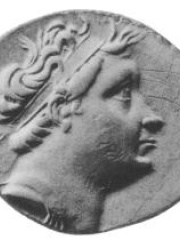
Nicomedes II of Bithynia
200 BC - 160 BC
HPI: 61.76
Rank: 380
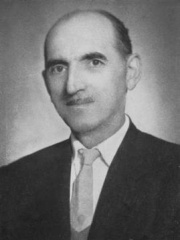
Tevfik Esenç
1904 - 1992
HPI: 61.65
Rank: 381
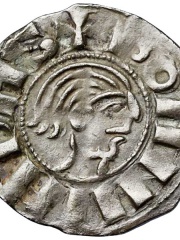
Bohemond V of Antioch
1199 - 1252
HPI: 61.62
Rank: 382

Ishme-Dagan I
1780 BC - 1800 BC
HPI: 61.55
Rank: 383
George, Emperor of Trebizond
1255 - 1284
HPI: 61.48
Rank: 384
Assaracus
HPI: 61.39
Rank: 385
Cezayirli Gazi Hasan Pasha
1713 - 1790
HPI: 61.34
Rank: 386
Constantine Ypsilantis
1760 - 1816
HPI: 61.32
Rank: 387
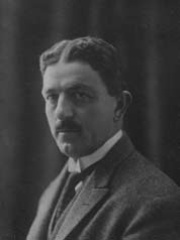
Rauf Orbay
1881 - 1964
HPI: 61.19
Rank: 388
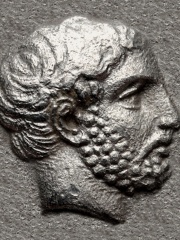
Hecatomnus
500 BC - 377 BC
HPI: 61.09
Rank: 389

Audoin
541 - 560
HPI: 61.07
Rank: 390

George Mouzalon
1220 - 1258
HPI: 60.97
Rank: 391