Político
Abdalonymus
305 BC - presente
ES.WIKIPEDIA PAGE VIEWS (PV)

 Abdalonymus
Abdalónimo (en griego: Ἀβδαλώνιμος; literalmente "sirviente de los más altos dioses") fue un jardinero, pero de ascendencia real, que fue nombrado Rey de Sidón por Alejandro Magno en el 332 a. Leer más en Wikipedia
Su biografía está disponible en 18 idiomas en Wikipedia. Abdalonymus ocupa el puesto 10.490 entre los político más populares (bajó del puesto 9060 en 2024), el puesto 77 entre las biografías más populares de Líbano (bajó del puesto 68 en 2019) y el puesto 37 entre los político de líbano más populares.
Memorability Metrics
Page views of Abdalonymus by language
Among Políticos
Among políticos, Abdalonymus ranks 10,490 out of 19,576. Before him are Heo Gyun, Tini Beg, William Louis, Count of Nassau-Dillenburg, Joseph B. Foraker, Ruben III, Prince of Armenia, and Victor Henri Rochefort, Marquis de Rochefort-Luçay. After him are Neferkare Khendu, Christian, Prince-Elect of Denmark, Lawrence Eagleburger, Tiberius Sempronius Longus, Jesse Ventura, and José Linhares.
Most Popular Políticos in Wikipedia
Go to all Rankings

Heo Gyun
1569 - 1618
HPI: 60.84
Rank: 10,489

Tini Beg
1341 - 1342
HPI: 60.83
Rank: 10,490
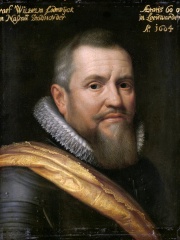
William Louis, Count of Nassau-Dillenburg
1560 - 1620
HPI: 60.83
Rank: 10,491
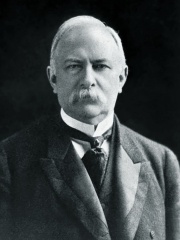
Joseph B. Foraker
1846 - 1917
HPI: 60.83
Rank: 10,492
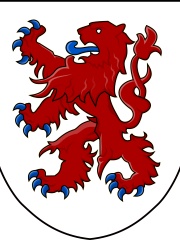
Ruben III, Prince of Armenia
1145 - 1187
HPI: 60.83
Rank: 10,493
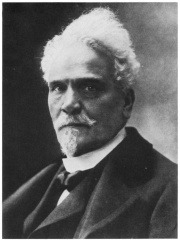
Victor Henri Rochefort, Marquis de Rochefort-Luçay
1831 - 1913
HPI: 60.83
Rank: 10,494
Abdalonymus
305 BC - Present
HPI: 60.83
Rank: 10,495
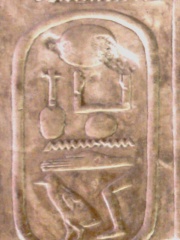
Neferkare Khendu
2200 BC - 2200 BC
HPI: 60.83
Rank: 10,496
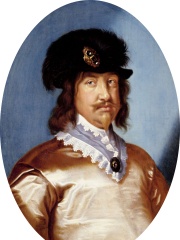
Christian, Prince-Elect of Denmark
1603 - 1647
HPI: 60.83
Rank: 10,497
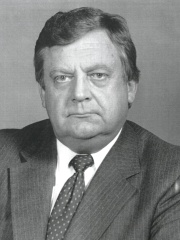
Lawrence Eagleburger
1930 - 2011
HPI: 60.82
Rank: 10,498

Tiberius Sempronius Longus
250 BC - 209 BC
HPI: 60.82
Rank: 10,499
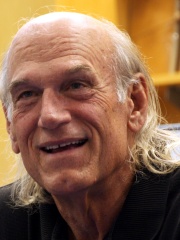
Jesse Ventura
1951 - Present
HPI: 60.82
Rank: 10,500
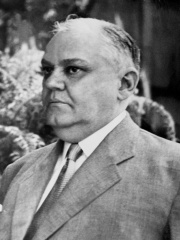
José Linhares
1886 - 1957
HPI: 60.82
Rank: 10,501

Contemporaries
Among people born in 305 BC, Abdalonymus ranks 3. Before him are Arsinoe I, and Zou Yan.
Others Born in 305 BC
Go to all Rankings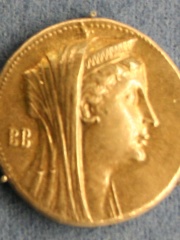
Arsinoe I
NOBLEMAN
305 BC - 248 BC
HPI: 67.09
Rank: 1

Zou Yan
PHILOSOPHER
305 BC - 240 BC
HPI: 64.16
Rank: 2
Abdalonymus
POLITICIAN
305 BC - Present
HPI: 60.83
Rank: 3
In Líbano
Among people born in Líbano, Abdalonymus ranks 77 out of NaN. Before him are Fawzi al-Qawuqji (1890), Samir Geagea (1952), Bahāʾ al-dīn al-ʿĀmilī (1547), Élias Sarkis (1924), Ahmad Shukeiri (1908), and Gabriel Yared (1949). After him are Hashem Safieddine (1964), Antoun Saadeh (1904), Aram I (1947), Fakhr al-Din II (1572), Ziad Jarrah (1975), and Charles Helou (1913).
Others born in Líbano
Go to all Rankings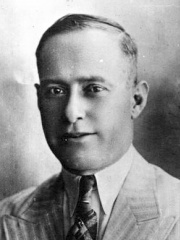
Fawzi al-Qawuqji
MILITARY PERSONNEL
1890 - 1977
HPI: 61.38
Rank: 71
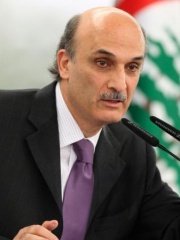
Samir Geagea
POLITICIAN
1952 - Present
HPI: 61.33
Rank: 72
Bahāʾ al-dīn al-ʿĀmilī
PHILOSOPHER
1547 - 1621
HPI: 61.20
Rank: 73
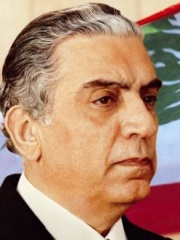
Élias Sarkis
POLITICIAN
1924 - 1985
HPI: 61.13
Rank: 74
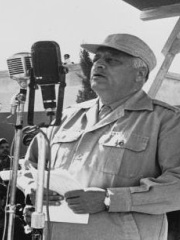
Ahmad Shukeiri
POLITICIAN
1908 - 1980
HPI: 61.11
Rank: 75
Gabriel Yared
COMPOSER
1949 - Present
HPI: 60.96
Rank: 76
Abdalonymus
POLITICIAN
305 BC - Present
HPI: 60.83
Rank: 77
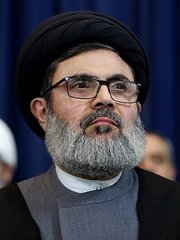
Hashem Safieddine
RELIGIOUS FIGURE
1964 - 2024
HPI: 60.69
Rank: 78
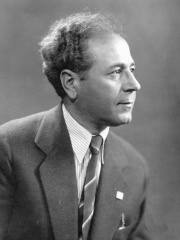
Antoun Saadeh
PHILOSOPHER
1904 - 1949
HPI: 60.46
Rank: 79
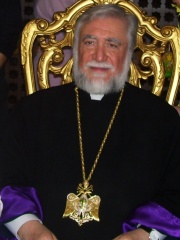
Aram I
RELIGIOUS FIGURE
1947 - Present
HPI: 60.27
Rank: 80
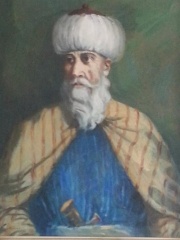
Fakhr al-Din II
POLITICIAN
1572 - 1635
HPI: 60.22
Rank: 81
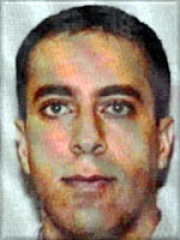
Ziad Jarrah
EXTREMIST
1975 - 2001
HPI: 60.18
Rank: 82
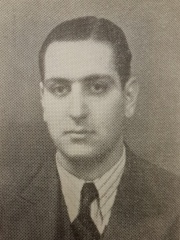
Charles Helou
POLITICIAN
1913 - 2001
HPI: 60.04
Rank: 83
Among Políticos In Líbano
Among políticos born in Líbano, Abdalonymus ranks 37. Before him are Nicolas Hayek (1928), Selim Hoss (1929), Imad Mughniyah (1962), Samir Geagea (1952), Élias Sarkis (1924), and Ahmad Shukeiri (1908). After him are Fakhr al-Din II (1572), Charles Helou (1913), Elie Hobeika (1956), Rashid Karami (1921), Bashir Shihab II (1767), and Riad Al Solh (1894).
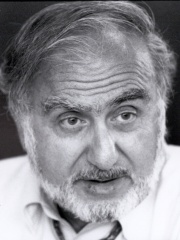
Nicolas Hayek
1928 - 2010
HPI: 62.54
Rank: 31
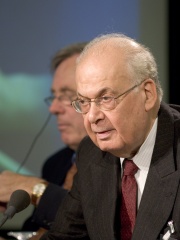
Selim Hoss
1929 - 2024
HPI: 62.33
Rank: 32

Imad Mughniyah
1962 - 2008
HPI: 62.18
Rank: 33
Samir Geagea
1952 - Present
HPI: 61.33
Rank: 34
Élias Sarkis
1924 - 1985
HPI: 61.13
Rank: 35
Ahmad Shukeiri
1908 - 1980
HPI: 61.11
Rank: 36
Abdalonymus
305 BC - Present
HPI: 60.83
Rank: 37
Fakhr al-Din II
1572 - 1635
HPI: 60.22
Rank: 38
Charles Helou
1913 - 2001
HPI: 60.04
Rank: 39
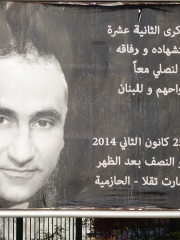
Elie Hobeika
1956 - 2002
HPI: 59.64
Rank: 40
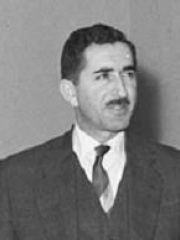
Rashid Karami
1921 - 1987
HPI: 59.28
Rank: 41
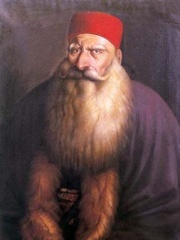
Bashir Shihab II
1767 - 1850
HPI: 59.05
Rank: 42
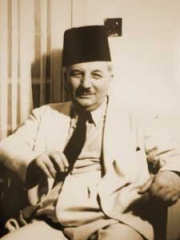
Riad Al Solh
1894 - 1951
HPI: 58.29
Rank: 43