Politician
Harsha
590 - 647
EN.WIKIPEDIA PAGE VIEWS (PV)
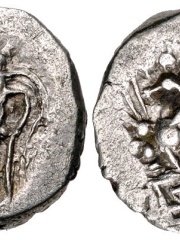
 Harsha
His biography is available in 46 different languages on Wikipedia (up from 45 in 2024). Harsha is the 2,393rd most popular politician (down from 1,551st in 2024), the 101st most popular biography from India (down from 55th in 2019) and the 38th most popular Indian Politician.
Harsha is most famous for his literary work, Harshacharita, which is a biography of the Hindu king Harsha.
Memorability Metrics
Page views of Harsha by language
Among Politicians
Among politicians, Harsha ranks 2,393 out of 19,576. Before him are Cetshwayo kaMpande, Michael IX Palaiologos, Khasekhemwy, Jan Masaryk, Mikhail Suslov, and Chilperic II. After him are Ferdinand, Duke of Parma, Pak Hon-yong, Louis I of Etruria, Alexandre Colonna-Walewski, Theuderic III, and Harald Gille.
Most Popular Politicians in Wikipedia
Go to all Rankings
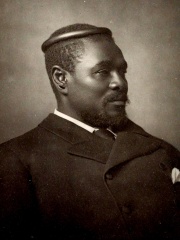
Cetshwayo kaMpande
1826 - 1884
HPI: 71.14
Rank: 2,388
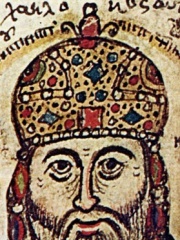
Michael IX Palaiologos
1277 - 1320
HPI: 71.14
Rank: 2,389
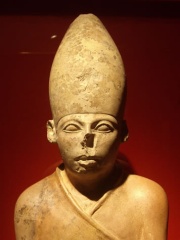
Khasekhemwy
2800 BC - 2686 BC
HPI: 71.14
Rank: 2,390
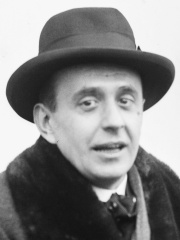
Jan Masaryk
1886 - 1948
HPI: 71.14
Rank: 2,391
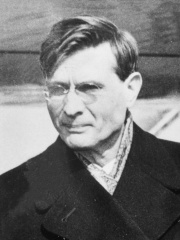
Mikhail Suslov
1902 - 1982
HPI: 71.13
Rank: 2,392
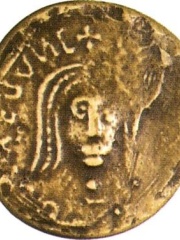
Chilperic II
670 - 721
HPI: 71.13
Rank: 2,393
Harsha
590 - 647
HPI: 71.12
Rank: 2,394
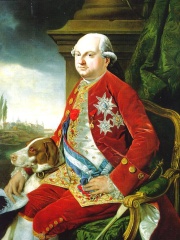
Ferdinand, Duke of Parma
1751 - 1802
HPI: 71.12
Rank: 2,395
Pak Hon-yong
1900 - 1955
HPI: 71.12
Rank: 2,396
Louis I of Etruria
1773 - 1803
HPI: 71.11
Rank: 2,397
Alexandre Colonna-Walewski
1810 - 1868
HPI: 71.10
Rank: 2,398
Theuderic III
657 - 691
HPI: 71.10
Rank: 2,399
Harald Gille
1103 - 1136
HPI: 71.10
Rank: 2,400

Contemporaries
Among people born in 590, Harsha ranks 2. Before him is Pope Martin I. After him are Boran, Kavad II, Sa'd ibn Mu'adh, Aqil ibn Abi Talib, Peroz II, and Eanfrith of Bernicia. Among people deceased in 647, Harsha ranks 2. Before him is Queen Seondeok of Silla. After him are Gregory the Patrician, and Sulpitius the Pious.
Others Born in 590
Go to all Rankings
Pope Martin I
RELIGIOUS FIGURE
590 - 655
HPI: 77.25
Rank: 1
Harsha
POLITICIAN
590 - 647
HPI: 71.12
Rank: 2
Boran
POLITICIAN
590 - 632
HPI: 69.98
Rank: 3
Kavad II
POLITICIAN
590 - 628
HPI: 68.09
Rank: 4

Sa'd ibn Mu'adh
POLITICIAN
590 - 627
HPI: 65.89
Rank: 5

Aqil ibn Abi Talib
RELIGIOUS FIGURE
590 - 670
HPI: 63.02
Rank: 6
Peroz II
NOBLEMAN
590 - 631
HPI: 60.20
Rank: 7

Eanfrith of Bernicia
POLITICIAN
590 - 634
HPI: 53.14
Rank: 8
Others Deceased in 647
Go to all Rankings
Queen Seondeok of Silla
POLITICIAN
603 - 647
HPI: 74.26
Rank: 1
Harsha
POLITICIAN
590 - 647
HPI: 71.12
Rank: 2

Gregory the Patrician
POLITICIAN
550 - 647
HPI: 61.87
Rank: 3
Sulpitius the Pious
RELIGIOUS FIGURE
576 - 647
HPI: 60.97
Rank: 4
In India
Among people born in India, Harsha ranks 101 out of NaN. Before him are Aśvaghoṣa (80), Sri Aurobindo (1872), Meera (1498), N. R. Narayana Murthy (1946), Ramana Maharshi (1879), and Mahākāśyapa (-550). After him are Madhava of Sangamagrama (1350), Premchand (1880), Janaki Ammal (1897), Atal Bihari Vajpayee (1924), Nizam-ul-Mulk, Asaf Jah I (1671), and Satyajit Ray (1921).
Others born in India
Go to all Rankings
Aśvaghoṣa
PHILOSOPHER
80 - 150
HPI: 71.30
Rank: 95
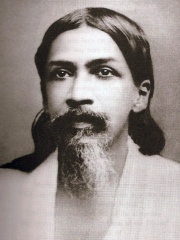
Sri Aurobindo
PHILOSOPHER
1872 - 1950
HPI: 71.21
Rank: 96

Meera
WRITER
1498 - 1546
HPI: 71.21
Rank: 97
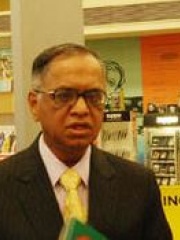
N. R. Narayana Murthy
BUSINESSPERSON
1946 - Present
HPI: 71.20
Rank: 98
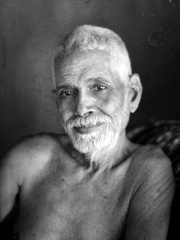
Ramana Maharshi
PHILOSOPHER
1879 - 1950
HPI: 71.16
Rank: 99
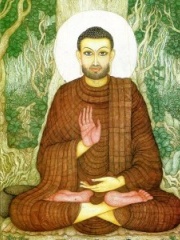
Mahākāśyapa
RELIGIOUS FIGURE
550 BC - 549 BC
HPI: 71.13
Rank: 100
Harsha
POLITICIAN
590 - 647
HPI: 71.12
Rank: 101

Madhava of Sangamagrama
MATHEMATICIAN
1350 - 1425
HPI: 70.93
Rank: 102
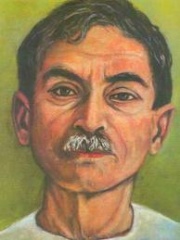
Premchand
WRITER
1880 - 1936
HPI: 70.83
Rank: 103
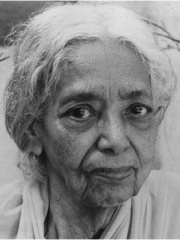
Janaki Ammal
BIOLOGIST
1897 - 1984
HPI: 70.66
Rank: 104
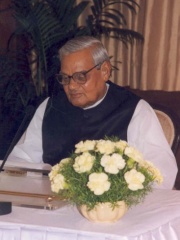
Atal Bihari Vajpayee
POLITICIAN
1924 - 2018
HPI: 70.55
Rank: 105
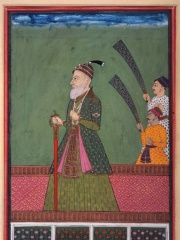
Nizam-ul-Mulk, Asaf Jah I
POLITICIAN
1671 - 1748
HPI: 70.50
Rank: 106
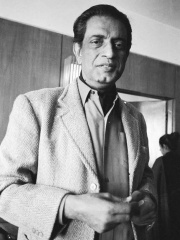
Satyajit Ray
FILM DIRECTOR
1921 - 1992
HPI: 70.38
Rank: 107
Among Politicians In India
Among politicians born in India, Harsha ranks 38. Before him are Shivaji (1627), Jahanara Begum (1614), Muhammad bin Tughluq (1290), B. D. Jatti (1912), Mohammed Nadir Shah (1883), and Jahangir (1569). After him are Atal Bihari Vajpayee (1924), Nizam-ul-Mulk, Asaf Jah I (1671), Rajiv Gandhi (1944), Ram Nath Kovind (1945), Pervez Musharraf (1943), and Muhammad Azam Shah (1653).
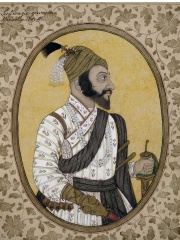
Shivaji
1627 - 1680
HPI: 72.81
Rank: 32
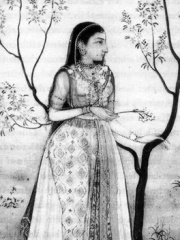
Jahanara Begum
1614 - 1681
HPI: 72.45
Rank: 33
Muhammad bin Tughluq
1290 - 1351
HPI: 72.37
Rank: 34
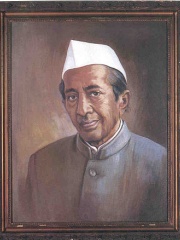
B. D. Jatti
1912 - 2002
HPI: 72.08
Rank: 35
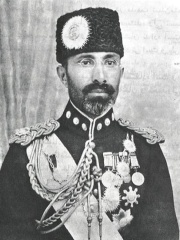
Mohammed Nadir Shah
1883 - 1933
HPI: 71.80
Rank: 36
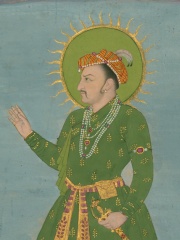
Jahangir
1569 - 1627
HPI: 71.76
Rank: 37
Harsha
590 - 647
HPI: 71.12
Rank: 38
Atal Bihari Vajpayee
1924 - 2018
HPI: 70.55
Rank: 39
Nizam-ul-Mulk, Asaf Jah I
1671 - 1748
HPI: 70.50
Rank: 40
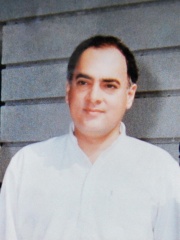
Rajiv Gandhi
1944 - 1991
HPI: 70.28
Rank: 41
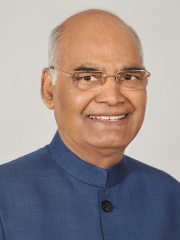
Ram Nath Kovind
1945 - Present
HPI: 70.16
Rank: 42
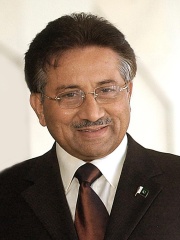
Pervez Musharraf
1943 - 2023
HPI: 70.12
Rank: 43
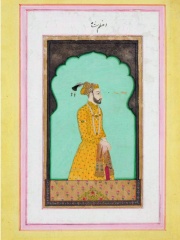
Muhammad Azam Shah
1653 - 1707
HPI: 70.10
Rank: 44