Politician
Fernando Haddad
1963 - today
EN.WIKIPEDIA PAGE VIEWS (PV)
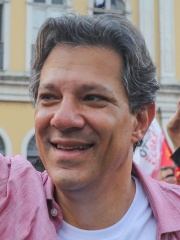

 Fernando Haddad
His biography is available in 26 different languages on Wikipedia (up from 25 in 2024). Fernando Haddad is the 15,309th most popular politician (down from 15,160th in 2024), the 633rd most popular biography from Brazil (up from 636th in 2019) and the 71st most popular Brazilian Politician.
Memorability Metrics
Page views of Fernando Haddad by language
Among Politicians
Among politicians, Fernando Haddad ranks 15,309 out of 19,576. Before him are Orrin Hatch, Mudar Badran, Ariarathes VIII of Cappadocia, Mohamed Wali Akeik, Marco Aurelio Soto, and Małgorzata Kidawa-Błońska. After him are Ptolemy of Epirus, Franco Marini, Serapio Calderón, Masha Bruskina, Hermann Jónasson, and Hubert Védrine.
Most Popular Politicians in Wikipedia
Go to all Rankings
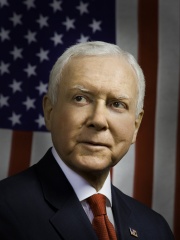
Orrin Hatch
1934 - 2022
HPI: 55.20
Rank: 15,310
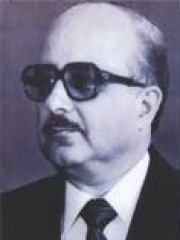
Mudar Badran
1934 - 2023
HPI: 55.20
Rank: 15,311
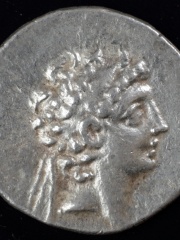
Ariarathes VIII of Cappadocia
101 BC - 1 BC
HPI: 55.19
Rank: 15,312

Mohamed Wali Akeik
1950 - Present
HPI: 55.19
Rank: 15,313
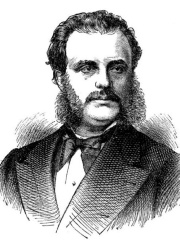
Marco Aurelio Soto
1846 - 1908
HPI: 55.19
Rank: 15,314
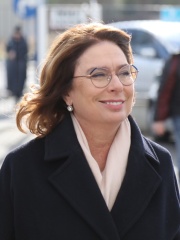
Małgorzata Kidawa-Błońska
1957 - Present
HPI: 55.19
Rank: 15,315
Fernando Haddad
1963 - Present
HPI: 55.19
Rank: 15,316

Ptolemy of Epirus
300 BC - 300 BC
HPI: 55.19
Rank: 15,317
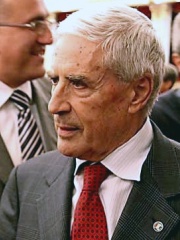
Franco Marini
1933 - 2021
HPI: 55.19
Rank: 15,318
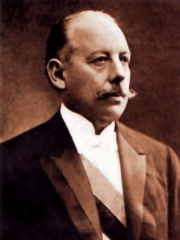
Serapio Calderón
1843 - 1922
HPI: 55.17
Rank: 15,319
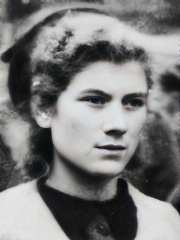
Masha Bruskina
1924 - 1941
HPI: 55.17
Rank: 15,320
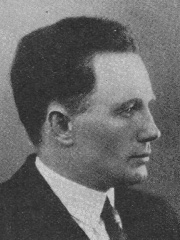
Hermann Jónasson
1896 - 1976
HPI: 55.17
Rank: 15,321
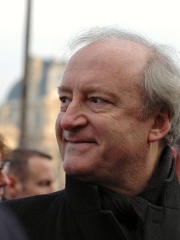
Hubert Védrine
1947 - Present
HPI: 55.17
Rank: 15,322

Contemporaries
Among people born in 1963, Fernando Haddad ranks 310. Before him are Kevin Smith, Kalusha Bwalya, Dylan Walsh, Mohamed Ould Bilal, Hans Gillhaus, and Tracey Emin. After him are Gamal Mubarak, Vasile Tarlev, Aslan Bzhania, Slobodan Živojinović, Yann Martel, and Javier Perez-Capdevila.
Others Born in 1963
Go to all Rankings
Kevin Smith
ACTOR
1963 - 2002
HPI: 55.41
Rank: 304

Kalusha Bwalya
SOCCER PLAYER
1963 - Present
HPI: 55.40
Rank: 305

Dylan Walsh
ACTOR
1963 - Present
HPI: 55.34
Rank: 306
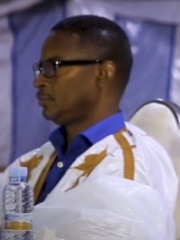
Mohamed Ould Bilal
POLITICIAN
1963 - Present
HPI: 55.32
Rank: 307
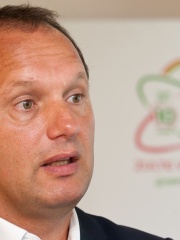
Hans Gillhaus
SOCCER PLAYER
1963 - Present
HPI: 55.32
Rank: 308
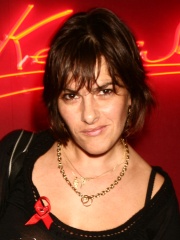
Tracey Emin
PAINTER
1963 - Present
HPI: 55.31
Rank: 309
Fernando Haddad
POLITICIAN
1963 - Present
HPI: 55.19
Rank: 310
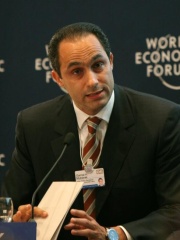
Gamal Mubarak
POLITICIAN
1963 - Present
HPI: 55.17
Rank: 311
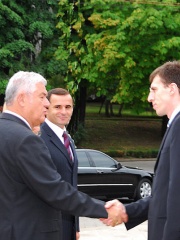
Vasile Tarlev
POLITICIAN
1963 - Present
HPI: 55.16
Rank: 312
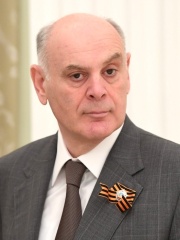
Aslan Bzhania
POLITICIAN
1963 - Present
HPI: 55.12
Rank: 313

Slobodan Živojinović
TENNIS PLAYER
1963 - Present
HPI: 55.11
Rank: 314
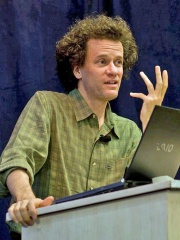
Yann Martel
WRITER
1963 - Present
HPI: 55.07
Rank: 315
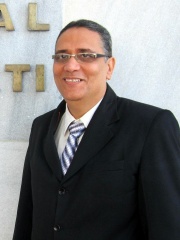
Javier Perez-Capdevila
MATHEMATICIAN
1963 - Present
HPI: 55.05
Rank: 316
In Brazil
Among people born in Brazil, Fernando Haddad ranks 633 out of NaN. Before him are Carlos Latuff (1968), José dos Santos Lopes (1910), Américo Castro (1885), Naldo (1982), Elano (1981), and Giovanni Silva de Oliveira (1972). After him are Carlos Alberto Dias (1967), Adãozinho (1923), Michel Teló (1981), Jaime Spengler (1960), Alex Telles (1992), and Nariz (1912).
Others born in Brazil
Go to all Rankings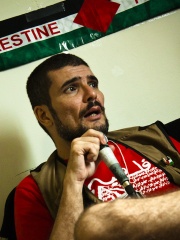
Carlos Latuff
PAINTER
1968 - Present
HPI: 55.27
Rank: 627

José dos Santos Lopes
SOCCER PLAYER
1910 - 1996
HPI: 55.25
Rank: 628

Américo Castro
HISTORIAN
1885 - 1972
HPI: 55.24
Rank: 629
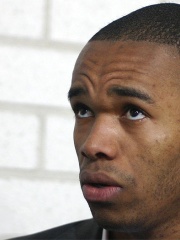
Naldo
SOCCER PLAYER
1982 - Present
HPI: 55.24
Rank: 630

Elano
SOCCER PLAYER
1981 - Present
HPI: 55.23
Rank: 631
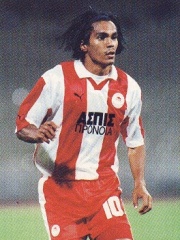
Giovanni Silva de Oliveira
SOCCER PLAYER
1972 - Present
HPI: 55.22
Rank: 632
Fernando Haddad
POLITICIAN
1963 - Present
HPI: 55.19
Rank: 633

Carlos Alberto Dias
SOCCER PLAYER
1967 - Present
HPI: 55.15
Rank: 634

Adãozinho
SOCCER PLAYER
1923 - 1991
HPI: 55.14
Rank: 635

Michel Teló
SINGER
1981 - Present
HPI: 55.12
Rank: 636
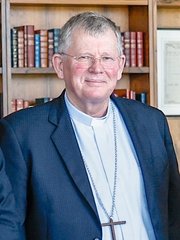
Jaime Spengler
RELIGIOUS FIGURE
1960 - Present
HPI: 55.11
Rank: 637
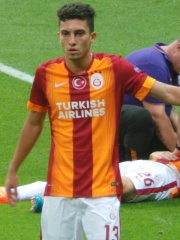
Alex Telles
SOCCER PLAYER
1992 - Present
HPI: 55.11
Rank: 638

Nariz
SOCCER PLAYER
1912 - 1984
HPI: 55.05
Rank: 639
Among Politicians In Brazil
Among politicians born in Brazil, Fernando Haddad ranks 71. Before him are Pedro Diniz (1970), José Paranhos, Viscount of Rio Branco (1819), Celso Amorim (1942), João Pinheiro Chagas (1863), Joaquim Nabuco (1849), and Cecília Meireles (1901). After him are Hamilton Mourão (1953), Ricardo Teixeira (1947), Augusto Pestana (1868), Marco Maciel (1940), Augusto Hamann Rademaker Grünewald (1905), and Alexandre de Moraes (1968).

Pedro Diniz
1970 - Present
HPI: 56.22
Rank: 65
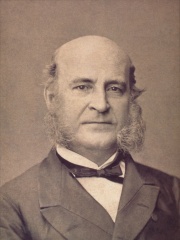
José Paranhos, Viscount of Rio Branco
1819 - 1880
HPI: 56.17
Rank: 66
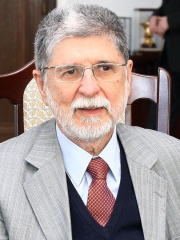
Celso Amorim
1942 - Present
HPI: 55.96
Rank: 67
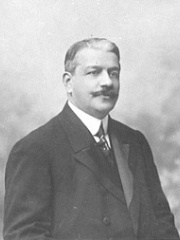
João Pinheiro Chagas
1863 - 1925
HPI: 55.58
Rank: 68
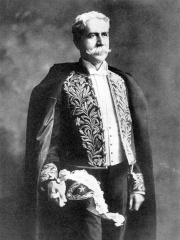
Joaquim Nabuco
1849 - 1910
HPI: 55.56
Rank: 69
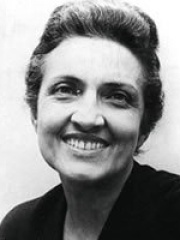
Cecília Meireles
1901 - 1964
HPI: 55.44
Rank: 70
Fernando Haddad
1963 - Present
HPI: 55.19
Rank: 71
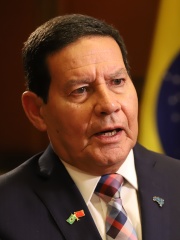
Hamilton Mourão
1953 - Present
HPI: 54.89
Rank: 72
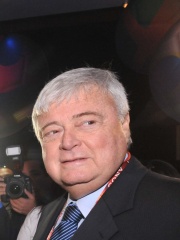
Ricardo Teixeira
1947 - Present
HPI: 54.83
Rank: 73
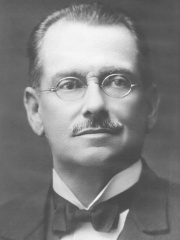
Augusto Pestana
1868 - 1934
HPI: 54.26
Rank: 74
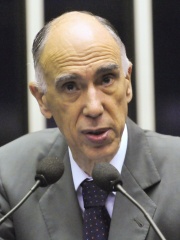
Marco Maciel
1940 - 2021
HPI: 54.23
Rank: 75
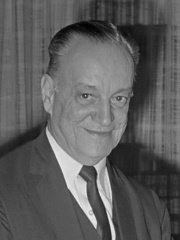
Augusto Hamann Rademaker Grünewald
1905 - 1985
HPI: 54.03
Rank: 76
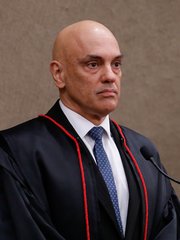
Alexandre de Moraes
1968 - Present
HPI: 53.12
Rank: 77