Fußballspieler
Wilson Oruma
1976 - heute
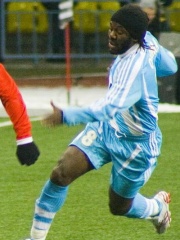
 Wilson Oruma
Wilson Oruma (* 30. Dezember 1976 in Warri) ist ein ehemaliger nigerianischer Fußballspieler, der überwiegend als Mittelfeldspieler eingesetzt wurde. Mehr auf Wikipedia lesen
His biography is available in 22 different languages on Wikipedia (up from 21 in 2024). Wilson Oruma is the 9,592nd most popular fußballspieler (down from 9,501st in 2024), the 127th most popular biography from Nigeria (down from 123rd in 2019) and the 54th most popular Nigerian Fußballspieler.
Memorability Metrics
Page views of Wilson Oruma by language
Among Fußballspielers
Among fußballspielers, Wilson Oruma ranks 9,592 out of 21,273. Before him are Horst Siegl, Óscar Trejo, Emiliano Viviano, Gilles Rousset, Chumbinho, and Rubi. After him are Emanuel Pogatetz, Manuel Ugarte, Iñigo Pérez, Sergi Darder, Samu Castillejo, and Mudashiru Lawal.
Most Popular Fußballspielers in Wikipedia
Go to all Rankings
Horst Siegl
1969 - Present
HPI: 45.55
Rank: 9,592

Óscar Trejo
1988 - Present
HPI: 45.55
Rank: 9,593
Emiliano Viviano
1985 - Present
HPI: 45.55
Rank: 9,594

Gilles Rousset
1963 - Present
HPI: 45.55
Rank: 9,595
Chumbinho
1986 - Present
HPI: 45.55
Rank: 9,596
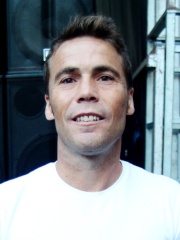
Rubi
1970 - Present
HPI: 45.55
Rank: 9,597
Wilson Oruma
1976 - Present
HPI: 45.54
Rank: 9,598
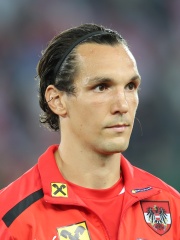
Emanuel Pogatetz
1983 - Present
HPI: 45.54
Rank: 9,599

Manuel Ugarte
2001 - Present
HPI: 45.54
Rank: 9,600

Iñigo Pérez
1988 - Present
HPI: 45.54
Rank: 9,601
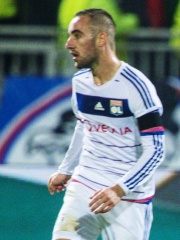
Sergi Darder
1993 - Present
HPI: 45.54
Rank: 9,602

Samu Castillejo
1995 - Present
HPI: 45.54
Rank: 9,603

Mudashiru Lawal
1954 - 1991
HPI: 45.54
Rank: 9,604

Contemporaries
Among people born in 1976, Wilson Oruma ranks 638. Before him are Lucía Puenzo, João Vieira, Hiroshi Sakai, Camille Guaty, Travis Kalanick, and Zoé Félix. After him are Gehad Grisha, Diana Vishneva, Nawaf Al-Temyat, Tang Lin, Yasmine Hamdan, and Nils Ušakovs.
Others Born in 1976
Go to all Rankings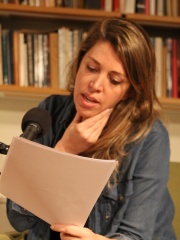
Lucía Puenzo
WRITER
1976 - Present
HPI: 45.65
Rank: 632
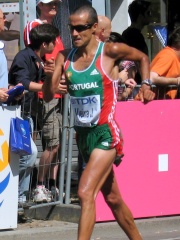
João Vieira
ATHLETE
1976 - Present
HPI: 45.61
Rank: 633

Hiroshi Sakai
SOCCER PLAYER
1976 - Present
HPI: 45.61
Rank: 634
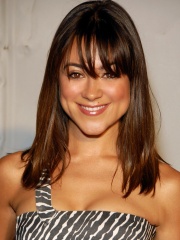
Camille Guaty
ACTOR
1976 - Present
HPI: 45.60
Rank: 635

Travis Kalanick
BUSINESSPERSON
1976 - Present
HPI: 45.56
Rank: 636

Zoé Félix
ACTOR
1976 - Present
HPI: 45.55
Rank: 637
Wilson Oruma
SOCCER PLAYER
1976 - Present
HPI: 45.54
Rank: 638
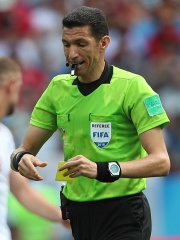
Gehad Grisha
REFEREE
1976 - Present
HPI: 45.53
Rank: 639

Diana Vishneva
DANCER
1976 - Present
HPI: 45.53
Rank: 640

Nawaf Al-Temyat
SOCCER PLAYER
1976 - Present
HPI: 45.53
Rank: 641

Tang Lin
WRESTLER
1976 - Present
HPI: 45.53
Rank: 642

Yasmine Hamdan
SINGER
1976 - Present
HPI: 45.52
Rank: 643

Nils Ušakovs
POLITICIAN
1976 - Present
HPI: 45.52
Rank: 644
In Nigeria
Among people born in Nigeria, Wilson Oruma ranks 127 out of 309. Before him are Elderson Echiéjilé (1988), Simon Yates (null), Emmanuel Dennis (1997), Ayila Yussuf (1984), Burna Boy (1991), and Benedict Iroha (1969). After him are Mudashiru Lawal (1954), Glory Alozie (1977), Akinwumi Adesina (1960), Thompson Oliha (1968), Asisat Oshoala (1994), and Austin Ejide (1984).
Others born in Nigeria
Go to all Rankings
Elderson Echiéjilé
SOCCER PLAYER
1988 - Present
HPI: 46.01
Rank: 121

Simon Yates
ATHLETE
HPI: 45.94
Rank: 122
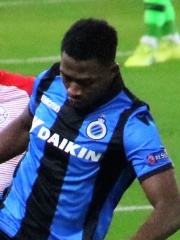
Emmanuel Dennis
SOCCER PLAYER
1997 - Present
HPI: 45.93
Rank: 123
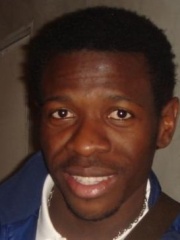
Ayila Yussuf
SOCCER PLAYER
1984 - Present
HPI: 45.85
Rank: 124

Burna Boy
SINGER
1991 - Present
HPI: 45.84
Rank: 125

Benedict Iroha
SOCCER PLAYER
1969 - Present
HPI: 45.67
Rank: 126
Wilson Oruma
SOCCER PLAYER
1976 - Present
HPI: 45.54
Rank: 127
Mudashiru Lawal
SOCCER PLAYER
1954 - 1991
HPI: 45.54
Rank: 128

Glory Alozie
ATHLETE
1977 - Present
HPI: 45.36
Rank: 129
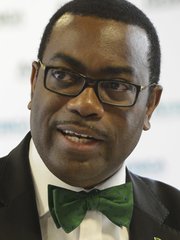
Akinwumi Adesina
ECONOMIST
1960 - Present
HPI: 45.34
Rank: 130

Thompson Oliha
SOCCER PLAYER
1968 - 2013
HPI: 45.32
Rank: 131
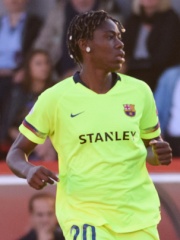
Asisat Oshoala
SOCCER PLAYER
1994 - Present
HPI: 45.29
Rank: 132
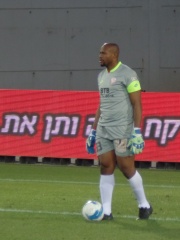
Austin Ejide
SOCCER PLAYER
1984 - Present
HPI: 45.25
Rank: 133
Among Fußballspielers In Nigeria
Among fußballspielers born in Nigeria, Wilson Oruma ranks 54. Before him are Ike Shorunmu (1967), Odion Ighalo (1989), Elderson Echiéjilé (1988), Emmanuel Dennis (1997), Ayila Yussuf (1984), and Benedict Iroha (1969). After him are Mudashiru Lawal (1954), Thompson Oliha (1968), Asisat Oshoala (1994), Austin Ejide (1984), Peter Utaka (1984), and Segun Odegbami (1952).

Ike Shorunmu
1967 - Present
HPI: 46.33
Rank: 48
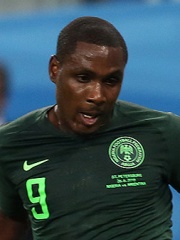
Odion Ighalo
1989 - Present
HPI: 46.15
Rank: 49
Elderson Echiéjilé
1988 - Present
HPI: 46.01
Rank: 50
Emmanuel Dennis
1997 - Present
HPI: 45.93
Rank: 51
Ayila Yussuf
1984 - Present
HPI: 45.85
Rank: 52
Benedict Iroha
1969 - Present
HPI: 45.67
Rank: 53
Wilson Oruma
1976 - Present
HPI: 45.54
Rank: 54
Mudashiru Lawal
1954 - 1991
HPI: 45.54
Rank: 55
Thompson Oliha
1968 - 2013
HPI: 45.32
Rank: 56
Asisat Oshoala
1994 - Present
HPI: 45.29
Rank: 57
Austin Ejide
1984 - Present
HPI: 45.25
Rank: 58
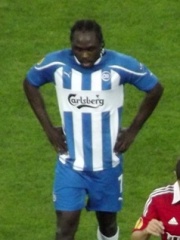
Peter Utaka
1984 - Present
HPI: 45.11
Rank: 59

Segun Odegbami
1952 - Present
HPI: 44.91
Rank: 60