Politiker
Wang Mang
45 BC - 23
DE.WIKIPEDIA PAGE VIEWS (PV)
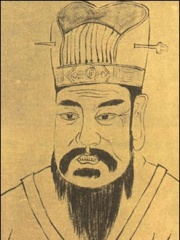
 Wang Mang
Wáng Mǎng (chinesisch 王莽, IPA (hochchinesisch) [u̯ɑŋ35 mɑŋ214]; * 45 v. Chr.; † 6. Oktober 23 n. Chr.) war von 9 n. Mehr auf Wikipedia lesen
Seine Biografie ist in 48 verschiedenen Sprachen auf Wikipedia verfügbar. Wang Mang ist der 1,202nd beliebteste Politiker (gesunken vom 710th im Jahr 2024), die 64th beliebteste Biografie aus China (gesunken vom 50th im Jahr 2019) und der 36th beliebteste aus China Politiker.
Memorability Metrics
Page views of Wang Mang by language
Among Politikers
Among politikers, Wang Mang ranks 1,202 out of 19,576. Before him are Franklin Pierce, Pietro Badoglio, Louis Antoine de Saint-Just, Louis IV of France, Frederick North, Lord North, and Constantine V. After him are George Plantagenet, 1st Duke of Clarence, Mindaugas, Nikephoros II Phokas, Eric XIV of Sweden, Jiroemon Kimura, and Andromache.
Most Popular Politikers in Wikipedia
Go to all Rankings
Franklin Pierce
1804 - 1869
HPI: 75.02
Rank: 1,196
Pietro Badoglio
1871 - 1956
HPI: 75.01
Rank: 1,197
Louis Antoine de Saint-Just
1767 - 1794
HPI: 75.01
Rank: 1,198
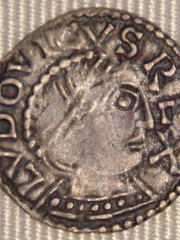
Louis IV of France
920 - 954
HPI: 75.01
Rank: 1,199
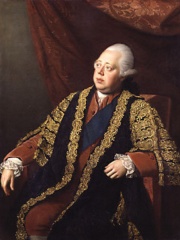
Frederick North, Lord North
1732 - 1792
HPI: 75.01
Rank: 1,200
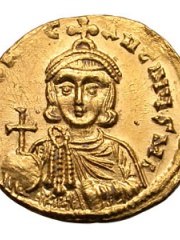
Constantine V
718 - 775
HPI: 75.00
Rank: 1,201
Wang Mang
45 BC - 23
HPI: 75.00
Rank: 1,202
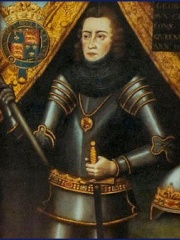
George Plantagenet, 1st Duke of Clarence
1449 - 1478
HPI: 75.00
Rank: 1,203
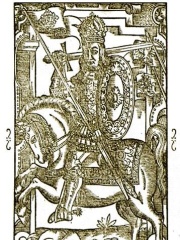
Mindaugas
1203 - 1263
HPI: 75.00
Rank: 1,204
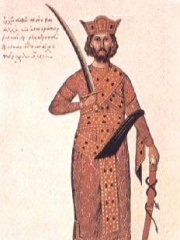
Nikephoros II Phokas
912 - 969
HPI: 74.99
Rank: 1,205
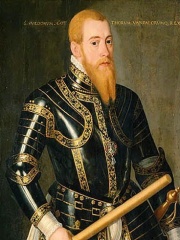
Eric XIV of Sweden
1533 - 1577
HPI: 74.99
Rank: 1,206
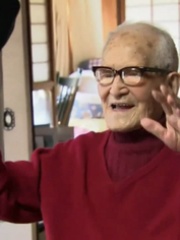
Jiroemon Kimura
1897 - 1897
HPI: 74.98
Rank: 1,207
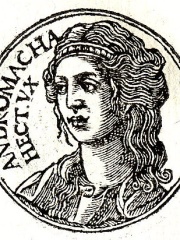
Andromache
HPI: 74.97
Rank: 1,208

Contemporaries
Among people born in 45 BC, Wang Mang ranks 1. After him are Quirinius, and Marcus Valerius Messalla Appianus. Among people deceased in 23, Wang Mang ranks 2. Before him is Strabo. After him are Juba II, Drusus Julius Caesar, Liu Xin, and Empress Wang (Ping).
Others Born in 45 BC
Go to all RankingsWang Mang
POLITICIAN
45 BC - 23
HPI: 75.00
Rank: 1

Quirinius
POLITICIAN
45 BC - 21
HPI: 70.38
Rank: 2

Marcus Valerius Messalla Appianus
POLITICIAN
45 BC - 12 BC
HPI: 57.60
Rank: 3
Others Deceased in 23
Go to all Rankings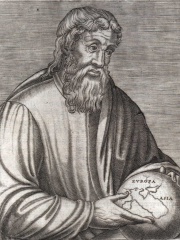
Strabo
GEOGRAPHER
64 BC - 23
HPI: 84.37
Rank: 1
Wang Mang
POLITICIAN
45 BC - 23
HPI: 75.00
Rank: 2
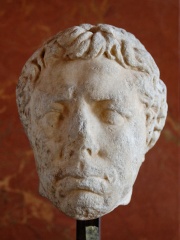
Juba II
POLITICIAN
52 BC - 23
HPI: 73.52
Rank: 3
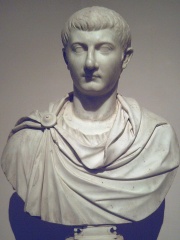
Drusus Julius Caesar
POLITICIAN
13 BC - 23
HPI: 68.44
Rank: 4

Liu Xin
MATHEMATICIAN
50 BC - 23
HPI: 63.40
Rank: 5
Empress Wang (Ping)
COMPANION
8 BC - 23
HPI: 59.83
Rank: 6
In China
Among people born in China, Wang Mang ranks 64 out of NaN. Before him are Yongzheng Emperor (1678), Guangxu Emperor (1871), Xun Kuang (-313), Liu Shaoqi (1898), Sima Yi (179), and Cao Pi (187). After him are 5th Dalai Lama (1617), Li Si (-280), Tu Youyou (1930), Hua Guofeng (1921), Xiang Yu (-232), and Emperor Xuanzong of Tang (685).
Others born in China
Go to all Rankings
Yongzheng Emperor
POLITICIAN
1678 - 1735
HPI: 75.39
Rank: 58
Guangxu Emperor
POLITICIAN
1871 - 1908
HPI: 75.30
Rank: 59
Xun Kuang
PHILOSOPHER
313 BC - 238 BC
HPI: 75.28
Rank: 60
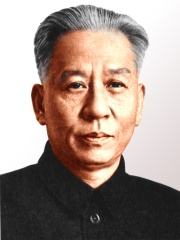
Liu Shaoqi
POLITICIAN
1898 - 1969
HPI: 75.28
Rank: 61
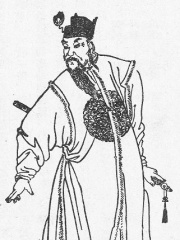
Sima Yi
POLITICIAN
179 - 251
HPI: 75.25
Rank: 62
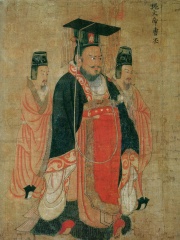
Cao Pi
POLITICIAN
187 - 226
HPI: 75.06
Rank: 63
Wang Mang
POLITICIAN
45 BC - 23
HPI: 75.00
Rank: 64
5th Dalai Lama
POLITICIAN
1617 - 1682
HPI: 74.94
Rank: 65
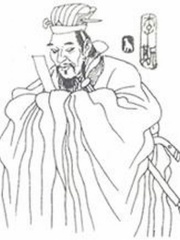
Li Si
POLITICIAN
280 BC - 208 BC
HPI: 74.90
Rank: 66
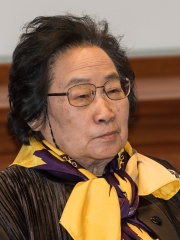
Tu Youyou
CHEMIST
1930 - Present
HPI: 74.88
Rank: 67
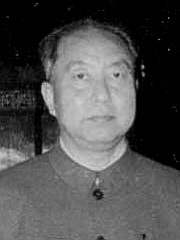
Hua Guofeng
POLITICIAN
1921 - 2008
HPI: 74.87
Rank: 68
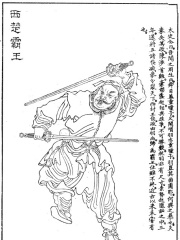
Xiang Yu
POLITICIAN
232 BC - 202 BC
HPI: 74.80
Rank: 69
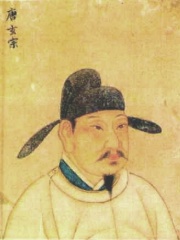
Emperor Xuanzong of Tang
POLITICIAN
685 - 762
HPI: 74.80
Rank: 70
Among Politikers In China
Among politikers born in China, Wang Mang ranks 36. Before him are Sun Quan (182), Yongzheng Emperor (1678), Guangxu Emperor (1871), Liu Shaoqi (1898), Sima Yi (179), and Cao Pi (187). After him are 5th Dalai Lama (1617), Li Si (-280), Hua Guofeng (1921), Xiang Yu (-232), Emperor Xuanzong of Tang (685), and Külüg Khan (1281).
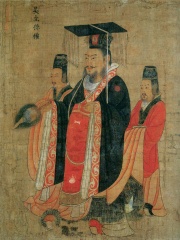
Sun Quan
182 - 252
HPI: 75.83
Rank: 30
Yongzheng Emperor
1678 - 1735
HPI: 75.39
Rank: 31
Guangxu Emperor
1871 - 1908
HPI: 75.30
Rank: 32
Liu Shaoqi
1898 - 1969
HPI: 75.28
Rank: 33
Sima Yi
179 - 251
HPI: 75.25
Rank: 34
Cao Pi
187 - 226
HPI: 75.06
Rank: 35
Wang Mang
45 BC - 23
HPI: 75.00
Rank: 36
5th Dalai Lama
1617 - 1682
HPI: 74.94
Rank: 37
Li Si
280 BC - 208 BC
HPI: 74.90
Rank: 38
Hua Guofeng
1921 - 2008
HPI: 74.87
Rank: 39
Xiang Yu
232 BC - 202 BC
HPI: 74.80
Rank: 40
Emperor Xuanzong of Tang
685 - 762
HPI: 74.80
Rank: 41
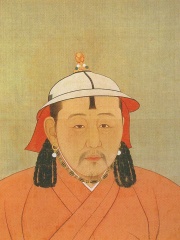
Külüg Khan
1281 - 1311
HPI: 74.65
Rank: 42