Fußballspieler
Vito Mannone
1988 - heute
DE.WIKIPEDIA PAGE VIEWS (PV)
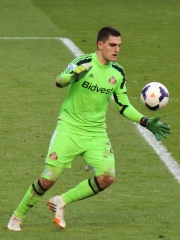
 Vito Mannone
Seine Biografie ist in 40 verschiedenen Sprachen auf Wikipedia verfügbar (gestiegen von 38 im Jahr 2024). Vito Mannone ist der 6,597th beliebteste Fußballspieler (gestiegen vom 7,397th im Jahr 2024), die 4,295th beliebteste Biografie aus Italien (gestiegen vom 4,412th im Jahr 2019) und der 350th beliebteste aus Italien Fußballspieler.
Memorability Metrics
Page views of Vito Mannone by language
Among Fußballspielers
Among fußballspielers, Vito Mannone ranks 6,597 out of 21,273. Before him are Daniel Leclercq, Bart Goor, Eddie Johnson, José Ángel Ziganda, Johan de Kock, and Corentin Martins. After him are Thilo Kehrer, Džoni Novak, Jasmin Handanović, Tony Cascarino, Gonzalo Montiel, and Albert Nađ.
Most Popular Fußballspielers in Wikipedia
Go to all Rankings

Daniel Leclercq
1949 - 2019
HPI: 49.92
Rank: 6,597

Bart Goor
1973 - Present
HPI: 49.92
Rank: 6,598

Eddie Johnson
1984 - Present
HPI: 49.92
Rank: 6,599

José Ángel Ziganda
1966 - Present
HPI: 49.92
Rank: 6,600

Johan de Kock
1964 - Present
HPI: 49.91
Rank: 6,601

Corentin Martins
1969 - Present
HPI: 49.91
Rank: 6,602
Vito Mannone
1988 - Present
HPI: 49.90
Rank: 6,603

Thilo Kehrer
1996 - Present
HPI: 49.90
Rank: 6,604
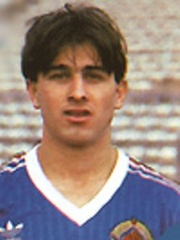
Džoni Novak
1969 - Present
HPI: 49.90
Rank: 6,605
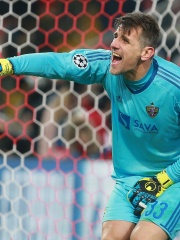
Jasmin Handanović
1978 - Present
HPI: 49.90
Rank: 6,606

Tony Cascarino
1962 - Present
HPI: 49.90
Rank: 6,607

Gonzalo Montiel
1997 - Present
HPI: 49.90
Rank: 6,608

Albert Nađ
1974 - Present
HPI: 49.89
Rank: 6,609

Contemporaries
Among people born in 1988, Vito Mannone ranks 205. Before him are Jeremy Lin, Nichkhun, Edvin Kanka Cudic, Zhang Jike, Melissa Benoist, and Matthew Spiranovic. After him are Yui Hatano, Hitoshi Usui, Nicolás Gaitán, Thierry Neuville, Candice Swanepoel, and Keisuke Harada.
Others Born in 1988
Go to all Rankings
Jeremy Lin
BASKETBALL PLAYER
1988 - Present
HPI: 50.12
Rank: 199

Nichkhun
SINGER
1988 - Present
HPI: 50.09
Rank: 200
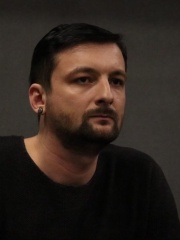
Edvin Kanka Cudic
SOCIAL ACTIVIST
1988 - Present
HPI: 50.07
Rank: 201

Zhang Jike
TABLE TENNIS PLAYER
1988 - Present
HPI: 49.96
Rank: 202

Melissa Benoist
ACTOR
1988 - Present
HPI: 49.95
Rank: 203

Matthew Spiranovic
SOCCER PLAYER
1988 - Present
HPI: 49.92
Rank: 204
Vito Mannone
SOCCER PLAYER
1988 - Present
HPI: 49.90
Rank: 205

Yui Hatano
PORNOGRAPHIC ACTOR
1988 - Present
HPI: 49.86
Rank: 206

Hitoshi Usui
SOCCER PLAYER
1988 - Present
HPI: 49.85
Rank: 207

Nicolás Gaitán
SOCCER PLAYER
1988 - Present
HPI: 49.83
Rank: 208

Thierry Neuville
RACING DRIVER
1988 - Present
HPI: 49.80
Rank: 209

Candice Swanepoel
MODEL
1988 - Present
HPI: 49.78
Rank: 210

Keisuke Harada
SOCCER PLAYER
1988 - Present
HPI: 49.78
Rank: 211
In Italien
Among people born in Italien, Vito Mannone ranks 4,296 out of NaN. Before him are Simone Zaza (1991), Giovanni Cesare Pagazzi (1965), Marco Masini (1964), Francesco Bagnaia (1997), Mattia Perin (1992), and Sebastiano Nela (1961). After him are Alessandro Lucarelli (1977), Berel Lazar (1964), Federico Macheda (1991), Federico Castelluccio (1964), Cristina D'Avena (1964), and Giorgio Pantano (1979).
Others born in Italien
Go to all Rankings
Simone Zaza
SOCCER PLAYER
1991 - Present
HPI: 50.09
Rank: 4,290
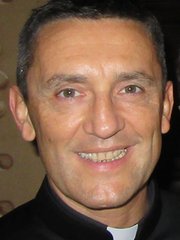
Giovanni Cesare Pagazzi
RELIGIOUS FIGURE
1965 - Present
HPI: 49.95
Rank: 4,291

Marco Masini
MUSICIAN
1964 - Present
HPI: 49.95
Rank: 4,292
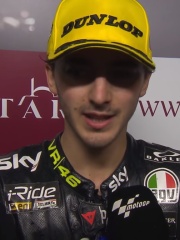
Francesco Bagnaia
RACING DRIVER
1997 - Present
HPI: 49.95
Rank: 4,293

Mattia Perin
SOCCER PLAYER
1992 - Present
HPI: 49.94
Rank: 4,294

Sebastiano Nela
SOCCER PLAYER
1961 - Present
HPI: 49.93
Rank: 4,295
Vito Mannone
SOCCER PLAYER
1988 - Present
HPI: 49.90
Rank: 4,296

Alessandro Lucarelli
SOCCER PLAYER
1977 - Present
HPI: 49.86
Rank: 4,297

Berel Lazar
RELIGIOUS FIGURE
1964 - Present
HPI: 49.86
Rank: 4,298
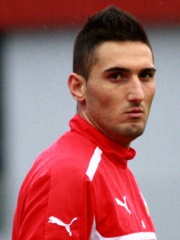
Federico Macheda
SOCCER PLAYER
1991 - Present
HPI: 49.82
Rank: 4,299
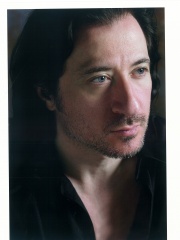
Federico Castelluccio
ACTOR
1964 - Present
HPI: 49.78
Rank: 4,300

Cristina D'Avena
SINGER
1964 - Present
HPI: 49.77
Rank: 4,301
Giorgio Pantano
RACING DRIVER
1979 - Present
HPI: 49.77
Rank: 4,302
Among Fußballspielers In Italien
Among fußballspielers born in Italien, Vito Mannone ranks 350. Before him are Alessandro Diamanti (1983), Walter Novellino (1953), Marco Storari (1977), Simone Zaza (1991), Mattia Perin (1992), and Sebastiano Nela (1961). After him are Alessandro Lucarelli (1977), Federico Macheda (1991), Domenico Criscito (1986), Nicolò Zaniolo (1999), Carolina Morace (1964), and Benito Sarti (1936).

Alessandro Diamanti
1983 - Present
HPI: 50.20
Rank: 344

Walter Novellino
1953 - Present
HPI: 50.13
Rank: 345
Marco Storari
1977 - Present
HPI: 50.10
Rank: 346
Simone Zaza
1991 - Present
HPI: 50.09
Rank: 347
Mattia Perin
1992 - Present
HPI: 49.94
Rank: 348
Sebastiano Nela
1961 - Present
HPI: 49.93
Rank: 349
Vito Mannone
1988 - Present
HPI: 49.90
Rank: 350
Alessandro Lucarelli
1977 - Present
HPI: 49.86
Rank: 351
Federico Macheda
1991 - Present
HPI: 49.82
Rank: 352

Domenico Criscito
1986 - Present
HPI: 49.70
Rank: 353

Nicolò Zaniolo
1999 - Present
HPI: 49.68
Rank: 354
Carolina Morace
1964 - Present
HPI: 49.68
Rank: 355
Benito Sarti
1936 - 2020
HPI: 49.63
Rank: 356