Historiker
Polybius
208 BC - 126 BC
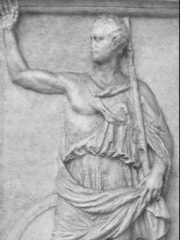
 Polybius
Polybios (altgriechisch Πολύβιος, auch Polybios von Megalopolis; * um 200 v. Chr. in Megalopolis auf der Peloponnes; † um 120 v. Chr. Mehr auf Wikipedia lesen
His biography is available in 70 different languages on Wikipedia (up from 69 in 2024). Polybius is the 11th most popular historiker (down from 8th in 2024), the 58th most popular biography from Greece (down from 44th in 2019) and the 3rd most popular Greek Historiker.
Polybius is most famous for his book The Histories, which is a description of the rise of Rome from the end of the Second Punic War to the defeat of Carthage in the Third Punic War.
Memorability Metrics
Page views of Polybius by language
Among Historikers
Among historikers, Polybius ranks 11 out of 561. Before him are Tacitus, Xenophon, Livy, Josephus, Diodorus Siculus, and Alexis de Tocqueville. After him are Suetonius, Thomas Kuhn, Hecataeus of Miletus, Procopius, Thomas Babington Macaulay, and Mircea Eliade.
Most Popular Historikers in Wikipedia
Go to all Rankings
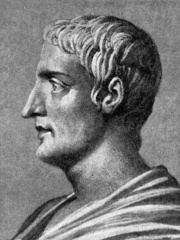
Tacitus
54 - 120
HPI: 82.21
Rank: 5
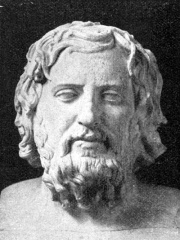
Xenophon
430 BC - 354 BC
HPI: 82.05
Rank: 6
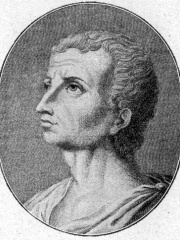
Livy
59 BC - 17
HPI: 81.96
Rank: 7
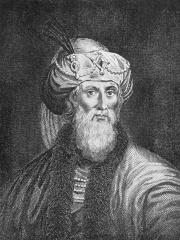
Josephus
37 - 100
HPI: 80.94
Rank: 8
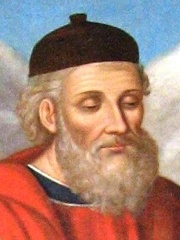
Diodorus Siculus
90 BC - 30 BC
HPI: 79.20
Rank: 9
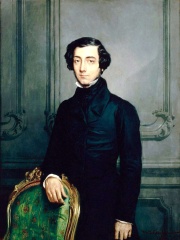
Alexis de Tocqueville
1805 - 1859
HPI: 78.33
Rank: 10
Polybius
208 BC - 126 BC
HPI: 77.83
Rank: 11
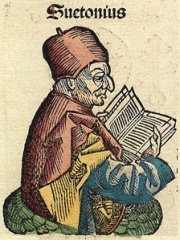
Suetonius
70 - 126
HPI: 77.79
Rank: 12
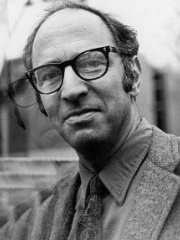
Thomas Kuhn
1922 - 1996
HPI: 76.91
Rank: 13
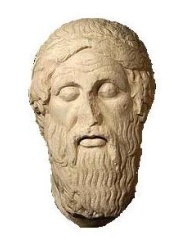
Hecataeus of Miletus
550 BC - 476 BC
HPI: 76.89
Rank: 14

Procopius
500 - 560
HPI: 76.58
Rank: 15
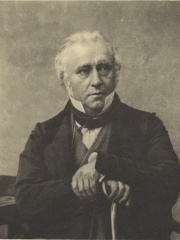
Thomas Babington Macaulay
1800 - 1859
HPI: 76.29
Rank: 16

Mircea Eliade
1907 - 1986
HPI: 76.17
Rank: 17

Contemporaries
Among people born in 208 BC, Polybius ranks 1. After him are Emperor Kaika, and Agatharchides. Among people deceased in 126 BC, Polybius ranks 1.
Others Born in 208 BC
Go to all RankingsPolybius
HISTORIAN
208 BC - 126 BC
HPI: 77.83
Rank: 1
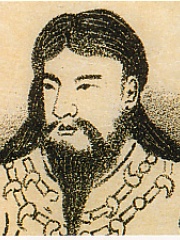
Emperor Kaika
POLITICIAN
208 BC - 97 BC
HPI: 68.26
Rank: 2

Agatharchides
HISTORIAN
208 BC - Present
HPI: 65.97
Rank: 3
Others Deceased in 126 BC
Go to all RankingsIn Greece
Among people born in Greece, Polybius ranks 58 out of 1,024. Before him are Menander (-342), Antisthenes (-445), Praxiteles (-395), Irene of Athens (752), Seleucus I Nicator (-358), and Vangelis (1943). After him are Xanthippe (-500), Constantine II of Greece (1940), Pope Eleutherius (171), Ptolemy II Philadelphus (-308), Ptolemy III Euergetes (-284), and Pyrrho (-365).
Others born in Greece
Go to all Rankings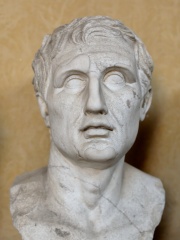
Menander
WRITER
342 BC - 291 BC
HPI: 78.37
Rank: 52
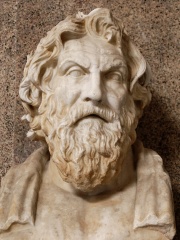
Antisthenes
PHILOSOPHER
445 BC - 365 BC
HPI: 78.34
Rank: 53
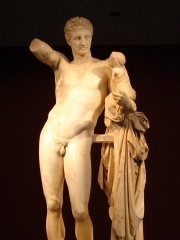
Praxiteles
SCULPTOR
395 BC - 330 BC
HPI: 78.31
Rank: 54
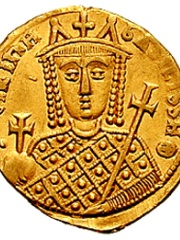
Irene of Athens
POLITICIAN
752 - 803
HPI: 77.97
Rank: 55
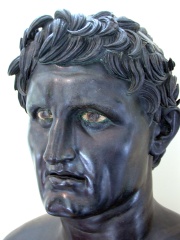
Seleucus I Nicator
MILITARY PERSONNEL
358 BC - 281 BC
HPI: 77.87
Rank: 56
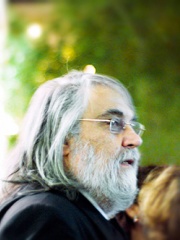
Vangelis
COMPOSER
1943 - 2022
HPI: 77.87
Rank: 57
Polybius
HISTORIAN
208 BC - 126 BC
HPI: 77.83
Rank: 58
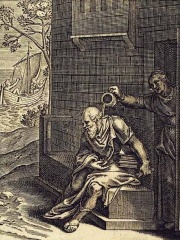
Xanthippe
POLITICIAN
500 BC - 400 BC
HPI: 77.67
Rank: 59
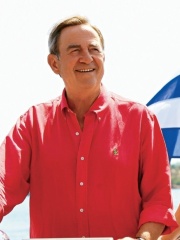
Constantine II of Greece
POLITICIAN
1940 - 2023
HPI: 77.65
Rank: 60
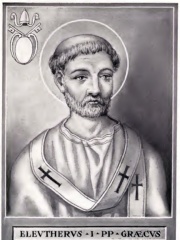
Pope Eleutherius
RELIGIOUS FIGURE
171 - 189
HPI: 77.55
Rank: 61
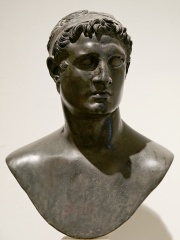
Ptolemy II Philadelphus
POLITICIAN
308 BC - 246 BC
HPI: 77.45
Rank: 62
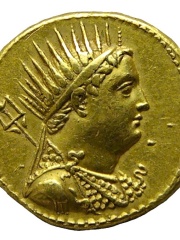
Ptolemy III Euergetes
POLITICIAN
284 BC - 222 BC
HPI: 77.28
Rank: 63
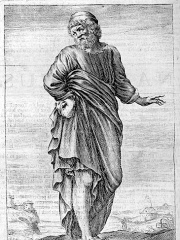
Pyrrho
PHILOSOPHER
365 BC - 275 BC
HPI: 76.97
Rank: 64
Among Historikers In Greece
Among historikers born in Greece, Polybius ranks 3. Before him are Thucydides (-460), and Xenophon (-430). After him are Quintus Curtius Rufus (41), Callisthenes (-360), Theopompus (-400), Michael Glykas (1125), Afet İnan (1908), Krste Misirkov (1874), Philochorus (-340), Marsyas of Pella (-400), and Leo Allatius (1586).
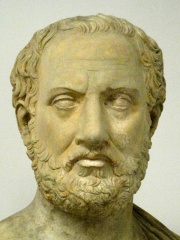
Thucydides
460 BC - 397 BC
HPI: 83.71
Rank: 1
Xenophon
430 BC - 354 BC
HPI: 82.05
Rank: 2
Polybius
208 BC - 126 BC
HPI: 77.83
Rank: 3
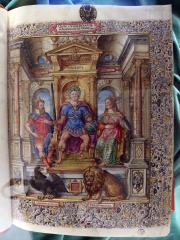
Quintus Curtius Rufus
41 - 53
HPI: 72.96
Rank: 4

Callisthenes
360 BC - 327 BC
HPI: 69.54
Rank: 5

Theopompus
400 BC - 320 BC
HPI: 69.44
Rank: 6

Michael Glykas
1125 - 1204
HPI: 64.91
Rank: 7
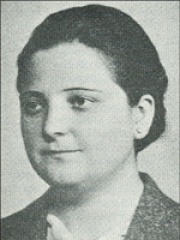
Afet İnan
1908 - 1985
HPI: 62.44
Rank: 8
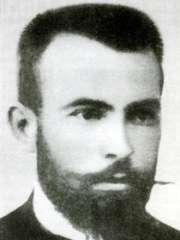
Krste Misirkov
1874 - 1926
HPI: 61.77
Rank: 9

Philochorus
340 BC - 260 BC
HPI: 60.65
Rank: 10

Marsyas of Pella
400 BC - 360 BC
HPI: 58.87
Rank: 11
Leo Allatius
1586 - 1669
HPI: 57.12
Rank: 12