Politiker
Mithridates I of Parthia
195 BC - 132 BC
DE.WIKIPEDIA PAGE VIEWS (PV)
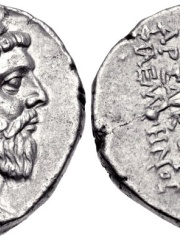
 Mithridates I of Parthia
Seine Biografie ist in 45 verschiedenen Sprachen auf Wikipedia verfügbar (gestiegen von 44 im Jahr 2024). Mithridates I of Parthia ist der 2,676th beliebteste Politiker (gestiegen vom 2,707th im Jahr 2024), die 91st beliebteste Biografie aus Iran (gestiegen vom 107th im Jahr 2019) und der 48th beliebteste aus dem Iran Politiker.
Memorability Metrics
Page views of Mithridates I of Parthia by language
Among Politikers
Among politikers, Mithridates I of Parthia ranks 2,676 out of 19,576. Before him are Juscelino Kubitschek, Princess Augusta Wilhelmine of Hesse-Darmstadt, Abgar V, Ricimer, Jehoahaz of Judah, and Shah Jahan II. After him are Shigeru Ishiba, Kārlis Ulmanis, Frederick IV, Elector Palatine, Humphrey, Duke of Gloucester, Emperor Higashiyama, and Gustav Bauer.
Most Popular Politikers in Wikipedia
Go to all Rankings
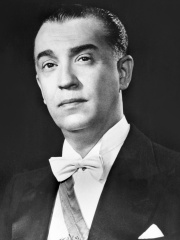
Juscelino Kubitschek
1902 - 1976
HPI: 70.43
Rank: 2,671

Princess Augusta Wilhelmine of Hesse-Darmstadt
1765 - 1796
HPI: 70.43
Rank: 2,672

Abgar V
1 BC - 50
HPI: 70.43
Rank: 2,673
Ricimer
405 - 472
HPI: 70.43
Rank: 2,674
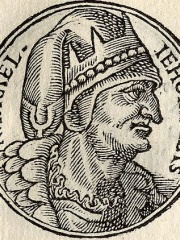
Jehoahaz of Judah
630 BC - 700 BC
HPI: 70.43
Rank: 2,675
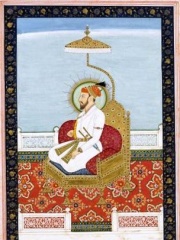
Shah Jahan II
1696 - 1719
HPI: 70.43
Rank: 2,676
Mithridates I of Parthia
195 BC - 132 BC
HPI: 70.43
Rank: 2,677

Shigeru Ishiba
1957 - Present
HPI: 70.43
Rank: 2,678
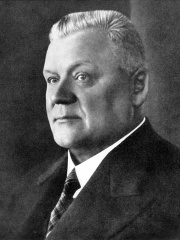
Kārlis Ulmanis
1877 - 1942
HPI: 70.42
Rank: 2,679
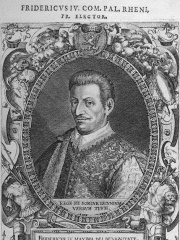
Frederick IV, Elector Palatine
1574 - 1610
HPI: 70.42
Rank: 2,680
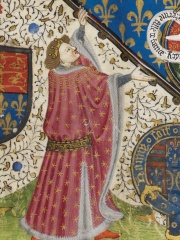
Humphrey, Duke of Gloucester
1390 - 1447
HPI: 70.42
Rank: 2,681

Emperor Higashiyama
1675 - 1710
HPI: 70.42
Rank: 2,682
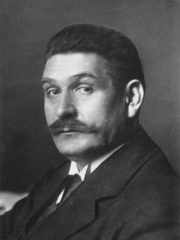
Gustav Bauer
1870 - 1944
HPI: 70.42
Rank: 2,683

Contemporaries
Among people born in 195 BC, Mithridates I of Parthia ranks 1. Among people deceased in 132 BC, Mithridates I of Parthia ranks 1. After him are Publius Cornelius Scipio Nasica Serapio, and Eunus.
Others Born in 195 BC
Go to all RankingsOthers Deceased in 132 BC
Go to all RankingsMithridates I of Parthia
POLITICIAN
195 BC - 132 BC
HPI: 70.43
Rank: 1

Publius Cornelius Scipio Nasica Serapio
POLITICIAN
181 BC - 132 BC
HPI: 65.33
Rank: 2

Eunus
SOCIAL ACTIVIST
200 BC - 132 BC
HPI: 62.66
Rank: 3
In Iran
Among people born in Iran, Mithridates I of Parthia ranks 91 out of NaN. Before him are Abdullah al-Mahdi Billah (873), Magtymguly Pyragy (1733), Ismail II (1533), Abbas II of Persia (1633), Abu Sa'id Bahadur Khan (1305), and Barkiyaruq (1081). After him are Yazdegerd I (400), Gaykhatu (1300), Mazdak (450), Ali al-Sistani (1930), Bahram V (406), and Naser al-Din Shah Qajar (1831).
Others born in Iran
Go to all Rankings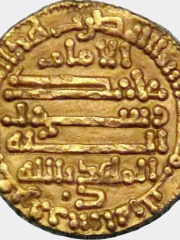
Abdullah al-Mahdi Billah
POLITICIAN
873 - 934
HPI: 70.87
Rank: 85
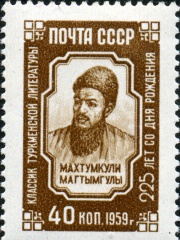
Magtymguly Pyragy
WRITER
1733 - 1807
HPI: 70.86
Rank: 86
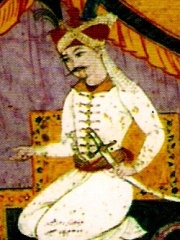
Ismail II
POLITICIAN
1533 - 1577
HPI: 70.82
Rank: 87
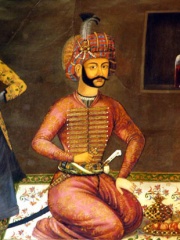
Abbas II of Persia
POLITICIAN
1633 - 1666
HPI: 70.72
Rank: 88
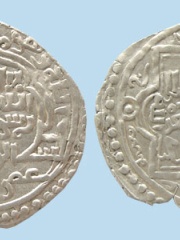
Abu Sa'id Bahadur Khan
POLITICIAN
1305 - 1335
HPI: 70.59
Rank: 89
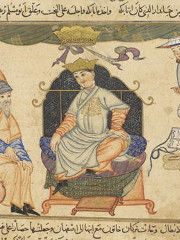
Barkiyaruq
POLITICIAN
1081 - 1104
HPI: 70.56
Rank: 90
Mithridates I of Parthia
POLITICIAN
195 BC - 132 BC
HPI: 70.43
Rank: 91
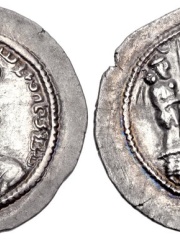
Yazdegerd I
POLITICIAN
400 - 421
HPI: 70.40
Rank: 92
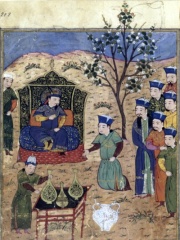
Gaykhatu
POLITICIAN
1300 - 1295
HPI: 70.32
Rank: 93
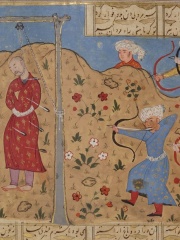
Mazdak
PHILOSOPHER
450 - 529
HPI: 70.30
Rank: 94
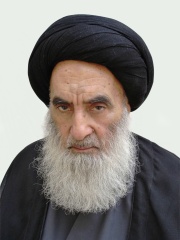
Ali al-Sistani
POLITICIAN
1930 - Present
HPI: 70.22
Rank: 95
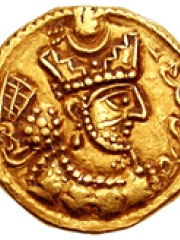
Bahram V
POLITICIAN
406 - 438
HPI: 70.21
Rank: 96
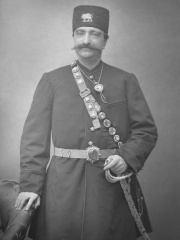
Naser al-Din Shah Qajar
POLITICIAN
1831 - 1896
HPI: 70.18
Rank: 97
Among Politikers In Iran
Among politikers born in Iran, Mithridates I of Parthia ranks 48. Before him are Al-Hadi (764), Abdullah al-Mahdi Billah (873), Ismail II (1533), Abbas II of Persia (1633), Abu Sa'id Bahadur Khan (1305), and Barkiyaruq (1081). After him are Yazdegerd I (400), Gaykhatu (1300), Ali al-Sistani (1930), Bahram V (406), Naser al-Din Shah Qajar (1831), and Ahmad Shah Qajar (1898).
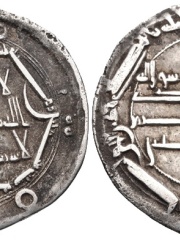
Al-Hadi
764 - 786
HPI: 71.01
Rank: 42
Abdullah al-Mahdi Billah
873 - 934
HPI: 70.87
Rank: 43
Ismail II
1533 - 1577
HPI: 70.82
Rank: 44
Abbas II of Persia
1633 - 1666
HPI: 70.72
Rank: 45
Abu Sa'id Bahadur Khan
1305 - 1335
HPI: 70.59
Rank: 46
Barkiyaruq
1081 - 1104
HPI: 70.56
Rank: 47
Mithridates I of Parthia
195 BC - 132 BC
HPI: 70.43
Rank: 48
Yazdegerd I
400 - 421
HPI: 70.40
Rank: 49
Gaykhatu
1300 - 1295
HPI: 70.32
Rank: 50
Ali al-Sistani
1930 - Present
HPI: 70.22
Rank: 51
Bahram V
406 - 438
HPI: 70.21
Rank: 52
Naser al-Din Shah Qajar
1831 - 1896
HPI: 70.18
Rank: 53
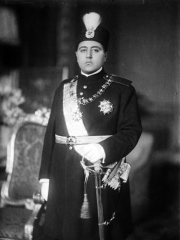
Ahmad Shah Qajar
1898 - 1930
HPI: 69.82
Rank: 54