Schriftsteller
Lui Morais
1961 - heute

 Lui Morais
Ihre Biografie ist in 15 verschiedenen Sprachen auf Wikipedia verfügbar (gesunken von 16 im Jahr 2024). Lui Morais ist die 3,863rd beliebteste Schriftsteller (gestiegen vom 7,125th im Jahr 2024), die 399th beliebteste Biografie aus Brasilien (gestiegen vom 1,435th im Jahr 2019) und die 18th beliebteste aus Brasilien Schriftsteller.
Memorability Metrics
Page views of Lui Morais by language
Among Schriftstellers
Among schriftstellers, Lui Morais ranks 3,863 out of 7,302. Before her are Juan Valera y Alcalá-Galiano, Frédéric Beigbeder, Edmonde Charles-Roux, Marie-Claire Blais, David Brin, and José Emilio Pacheco. After her are Jean-Christophe Grangé, Hella Wuolijoki, Lina Sandell, Helena Roerich, Vsevolod Ivanov, and Joachim Heinrich Campe.
Most Popular Schriftstellers in Wikipedia
Go to all Rankings
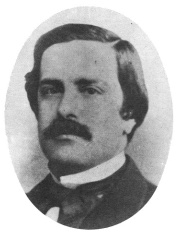
Juan Valera y Alcalá-Galiano
1824 - 1905
HPI: 58.37
Rank: 3,857
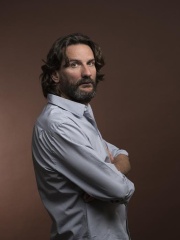
Frédéric Beigbeder
1965 - Present
HPI: 58.37
Rank: 3,858
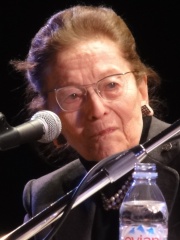
Edmonde Charles-Roux
1920 - 2016
HPI: 58.37
Rank: 3,859
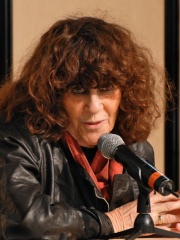
Marie-Claire Blais
1939 - 2021
HPI: 58.37
Rank: 3,860
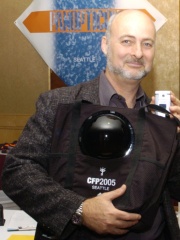
David Brin
1950 - Present
HPI: 58.37
Rank: 3,861
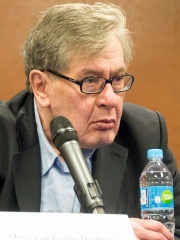
José Emilio Pacheco
1939 - 2014
HPI: 58.36
Rank: 3,862
Lui Morais
1961 - Present
HPI: 58.36
Rank: 3,863
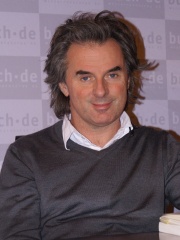
Jean-Christophe Grangé
1961 - Present
HPI: 58.36
Rank: 3,864
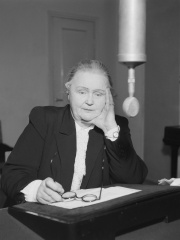
Hella Wuolijoki
1886 - 1954
HPI: 58.36
Rank: 3,865
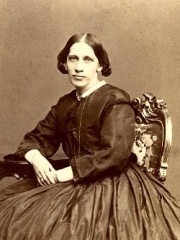
Lina Sandell
1832 - 1903
HPI: 58.36
Rank: 3,866
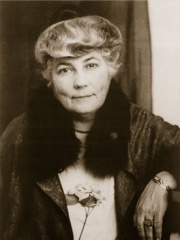
Helena Roerich
1879 - 1955
HPI: 58.35
Rank: 3,867

Vsevolod Ivanov
1895 - 1963
HPI: 58.35
Rank: 3,868
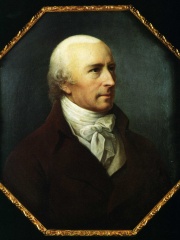
Joachim Heinrich Campe
1746 - 1818
HPI: 58.35
Rank: 3,869

Contemporaries
Among people born in 1961, Lui Morais ranks 177. Before her are Alexander Bard, Oh Se-hoon, Paul Waaktaar-Savoy, Vince Neil, Porfirije, Serbian Patriarch, and Elias Koteas. After her are Jean-Christophe Grangé, Tom Perez, Eugenio Derbez, Souleymane Sané, Pierluigi Martini, and Fuad Shukr.
Others Born in 1961
Go to all Rankings
Alexander Bard
SINGER
1961 - Present
HPI: 58.48
Rank: 171

Oh Se-hoon
POLITICIAN
1961 - Present
HPI: 58.46
Rank: 172

Paul Waaktaar-Savoy
MUSICIAN
1961 - Present
HPI: 58.46
Rank: 173
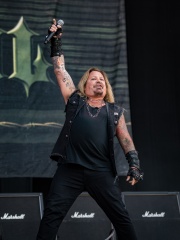
Vince Neil
SINGER
1961 - Present
HPI: 58.45
Rank: 174
Porfirije, Serbian Patriarch
RELIGIOUS FIGURE
1961 - Present
HPI: 58.43
Rank: 175
Elias Koteas
ACTOR
1961 - Present
HPI: 58.37
Rank: 176
Lui Morais
WRITER
1961 - Present
HPI: 58.36
Rank: 177
Jean-Christophe Grangé
WRITER
1961 - Present
HPI: 58.36
Rank: 178

Tom Perez
POLITICIAN
1961 - Present
HPI: 58.36
Rank: 179
Eugenio Derbez
ACTOR
1961 - Present
HPI: 58.33
Rank: 180

Souleymane Sané
SOCCER PLAYER
1961 - Present
HPI: 58.32
Rank: 181
Pierluigi Martini
POLITICIAN
1961 - Present
HPI: 58.28
Rank: 182

Fuad Shukr
EXTREMIST
1961 - 2024
HPI: 58.28
Rank: 183
In Brasilien
Among people born in Brasilien, Lui Morais ranks 399 out of NaN. Before her are Adoniran Barbosa (1910), Éder Aleixo de Assis (1957), Amaral (1954), Maria Quitéria (1792), Amílcar Barbuy (1893), and Gilberto Freyre (1900). After her are Luís Pereira (1949), Roberto Azevêdo (1957), Paulo Autuori (1956), Ary Barroso (1903), Paulo César Carpegiani (1949), and Canário (1934).
Others born in Brasilien
Go to all Rankings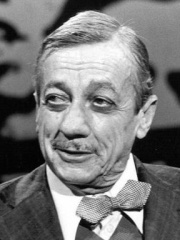
Adoniran Barbosa
SINGER
1910 - 1982
HPI: 58.46
Rank: 393

Éder Aleixo de Assis
SOCCER PLAYER
1957 - Present
HPI: 58.46
Rank: 394

Amaral
SOCCER PLAYER
1954 - 2024
HPI: 58.44
Rank: 395
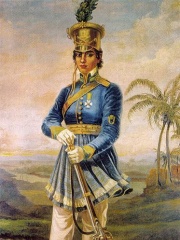
Maria Quitéria
MILITARY PERSONNEL
1792 - 1853
HPI: 58.44
Rank: 396
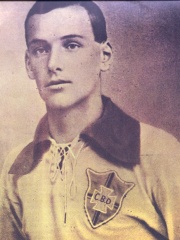
Amílcar Barbuy
SOCCER PLAYER
1893 - 1965
HPI: 58.41
Rank: 397
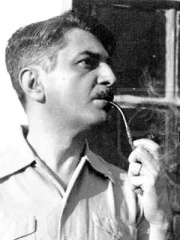
Gilberto Freyre
ANTHROPOLOGIST
1900 - 1987
HPI: 58.37
Rank: 398
Lui Morais
WRITER
1961 - Present
HPI: 58.36
Rank: 399
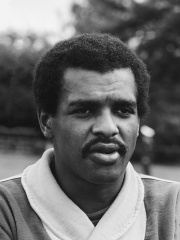
Luís Pereira
SOCCER PLAYER
1949 - Present
HPI: 58.36
Rank: 400

Roberto Azevêdo
DIPLOMAT
1957 - Present
HPI: 58.35
Rank: 401

Paulo Autuori
SOCCER PLAYER
1956 - Present
HPI: 58.34
Rank: 402
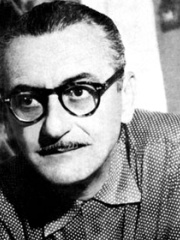
Ary Barroso
COMPOSER
1903 - 1964
HPI: 58.32
Rank: 403

Paulo César Carpegiani
SOCCER PLAYER
1949 - Present
HPI: 58.31
Rank: 404

Canário
SOCCER PLAYER
1934 - Present
HPI: 58.30
Rank: 405
Among Schriftstellers In Brasilien
Among schriftstellers born in Brasilien, Lui Morais ranks 18. Before her are Bernardo Guimarães (1825), José de Alencar (1829), Carlos Drummond de Andrade (1902), Monteiro Lobato (1882), Oswald de Andrade (1890), and Rubem Fonseca (1925). After her are Lygia Fagundes Telles (1923), Ana Maria Machado (1941), Rachel de Queiroz (1910), Moacyr Scliar (1937), Gonçalves Dias (1823), and Graciliano Ramos (1892).
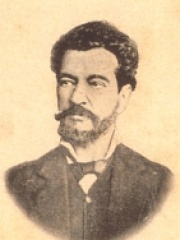
Bernardo Guimarães
1825 - 1884
HPI: 60.56
Rank: 12
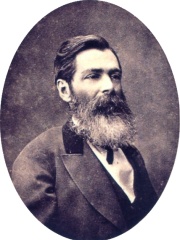
José de Alencar
1829 - 1877
HPI: 60.35
Rank: 13
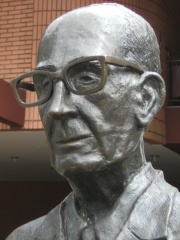
Carlos Drummond de Andrade
1902 - 1987
HPI: 60.22
Rank: 14
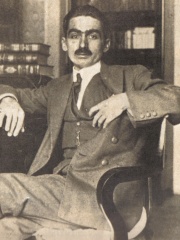
Monteiro Lobato
1882 - 1948
HPI: 59.57
Rank: 15
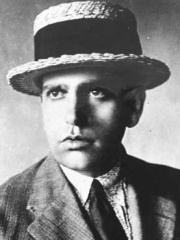
Oswald de Andrade
1890 - 1954
HPI: 59.56
Rank: 16
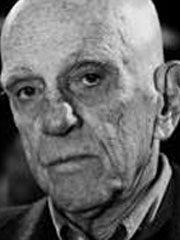
Rubem Fonseca
1925 - 2020
HPI: 58.88
Rank: 17
Lui Morais
1961 - Present
HPI: 58.36
Rank: 18
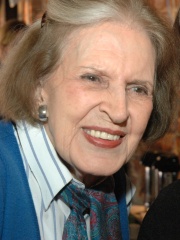
Lygia Fagundes Telles
1923 - 2022
HPI: 57.87
Rank: 19
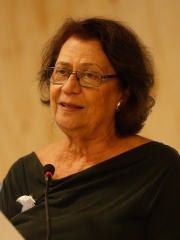
Ana Maria Machado
1941 - Present
HPI: 57.22
Rank: 20

Rachel de Queiroz
1910 - 2003
HPI: 56.78
Rank: 21
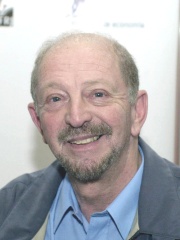
Moacyr Scliar
1937 - 2011
HPI: 56.45
Rank: 22
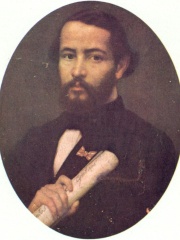
Gonçalves Dias
1823 - 1864
HPI: 56.41
Rank: 23

Graciliano Ramos
1892 - 1953
HPI: 56.21
Rank: 24




