Turner
Julius Lenhart
1875 - 1962
DE.WIKIPEDIA PAGE VIEWS (PV)

 Julius Lenhart
Seine Biografie ist in 17 verschiedenen Sprachen auf Wikipedia verfügbar (gestiegen von 16 im Jahr 2024). Julius Lenhart ist der 67th beliebteste Turner (gestiegen vom 148th im Jahr 2024), die 905th beliebteste Biografie aus Österreich (gestiegen vom 1,048th im Jahr 2019) und der beliebteste aus Österreich Turner.
Memorability Metrics
Page views of Julius Lenhart by language
Among Turners
Among turners, Julius Lenhart ranks 67 out of 370. Before him are Edward Hennig, Carl Folcker, Ann-Sofi Pettersson, Klaus Köste, Valentin Muratov, and Carl Hårleman. After him are Guido Romano, Marie Kovářová, Hugo Jahnke, Paolo Salvi, Adolf Spinnler, and Haakon Sörvik.
Most Popular Turners in Wikipedia
Go to all Rankings

Edward Hennig
1879 - 1960
HPI: 56.03
Rank: 61

Carl Folcker
1889 - 1911
HPI: 55.91
Rank: 62
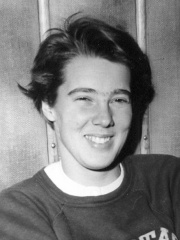
Ann-Sofi Pettersson
1932 - Present
HPI: 55.80
Rank: 63
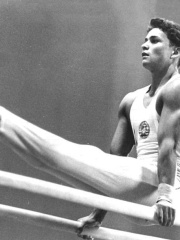
Klaus Köste
1943 - 2012
HPI: 55.69
Rank: 64
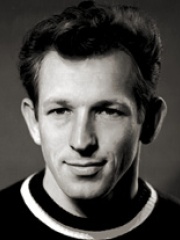
Valentin Muratov
1928 - 2006
HPI: 55.65
Rank: 65
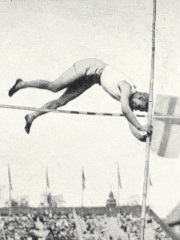
Carl Hårleman
1886 - 1948
HPI: 55.61
Rank: 66
Julius Lenhart
1875 - 1962
HPI: 55.60
Rank: 67
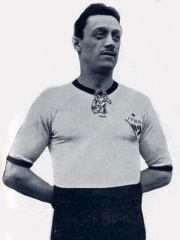
Guido Romano
1888 - 1916
HPI: 55.57
Rank: 68

Marie Kovářová
1927 - 2023
HPI: 55.49
Rank: 69
Hugo Jahnke
1886 - 1939
HPI: 55.43
Rank: 70

Paolo Salvi
1891 - 1945
HPI: 55.42
Rank: 71
Adolf Spinnler
1879 - 1951
HPI: 55.41
Rank: 72

Haakon Sörvik
1886 - 1970
HPI: 55.39
Rank: 73

Contemporaries
Among people born in 1875, Julius Lenhart ranks 156. Before him are John Bray, Roscoe Lockwood, Astrid Cleve, Charles Perrin, Wilfred Hudson Osgood, and Reginald Punnett. After him are Italo Montemezzi, Giuseppe Vitali, Dobri Hristov, Sigurður Eggerz, Georgios Papasideris, and Konstantin Yuon. Among people deceased in 1962, Julius Lenhart ranks 173. Before him are John Ireland, Mykolas Biržiška, Albert William Herre, Clara Blandick, Morris Louis, and Jorma Valkama. After him are Zdeněk Nejedlý, A. K. Fazlul Huq, G. M. Trevelyan, Karen Lachmann, Axel Nordlander, and Bidhan Chandra Roy.
Others Born in 1875
Go to all Rankings
John Bray
ATHLETE
1875 - 1945
HPI: 56.19
Rank: 150
Roscoe Lockwood
ATHLETE
1875 - 1960
HPI: 56.08
Rank: 151
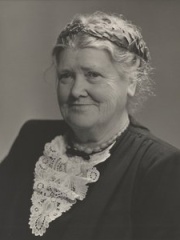
Astrid Cleve
BIOLOGIST
1875 - 1968
HPI: 56.03
Rank: 152
Charles Perrin
ATHLETE
1875 - 1954
HPI: 55.74
Rank: 153
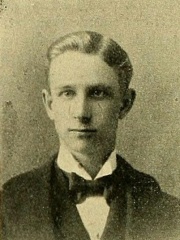
Wilfred Hudson Osgood
BIOLOGIST
1875 - 1947
HPI: 55.71
Rank: 154
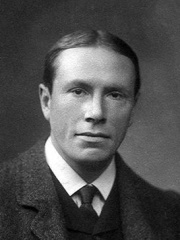
Reginald Punnett
BIOLOGIST
1875 - 1967
HPI: 55.65
Rank: 155
Julius Lenhart
GYMNAST
1875 - 1962
HPI: 55.60
Rank: 156
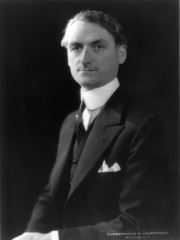
Italo Montemezzi
COMPOSER
1875 - 1952
HPI: 55.59
Rank: 157
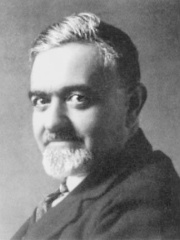
Giuseppe Vitali
MATHEMATICIAN
1875 - 1932
HPI: 55.52
Rank: 158
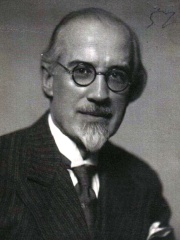
Dobri Hristov
COMPOSER
1875 - 1941
HPI: 55.48
Rank: 159
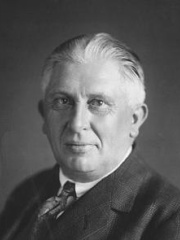
Sigurður Eggerz
POLITICIAN
1875 - 1945
HPI: 55.34
Rank: 160

Georgios Papasideris
ATHLETE
1875 - 1920
HPI: 55.27
Rank: 161
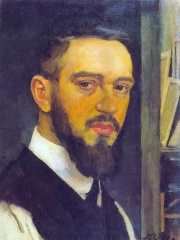
Konstantin Yuon
PAINTER
1875 - 1958
HPI: 55.13
Rank: 162
Others Deceased in 1962
Go to all Rankings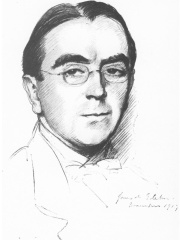
John Ireland
COMPOSER
1879 - 1962
HPI: 56.12
Rank: 167
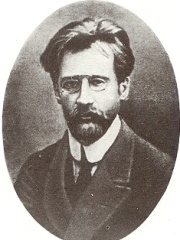
Mykolas Biržiška
POLITICIAN
1882 - 1962
HPI: 56.10
Rank: 168
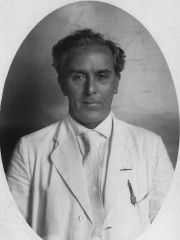
Albert William Herre
BIOLOGIST
1868 - 1962
HPI: 56.07
Rank: 169
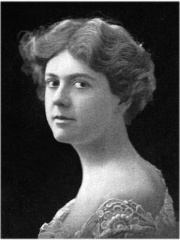
Clara Blandick
ACTOR
1876 - 1962
HPI: 55.98
Rank: 170
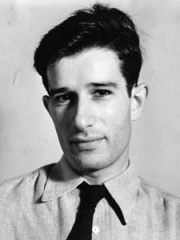
Morris Louis
PAINTER
1912 - 1962
HPI: 55.96
Rank: 171
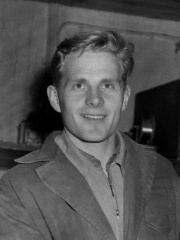
Jorma Valkama
ATHLETE
1928 - 1962
HPI: 55.64
Rank: 172
Julius Lenhart
GYMNAST
1875 - 1962
HPI: 55.60
Rank: 173
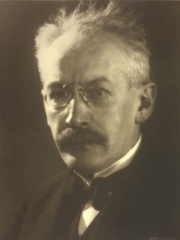
Zdeněk Nejedlý
HISTORIAN
1878 - 1962
HPI: 55.57
Rank: 174
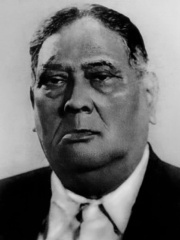
A. K. Fazlul Huq
POLITICIAN
1873 - 1962
HPI: 55.51
Rank: 175
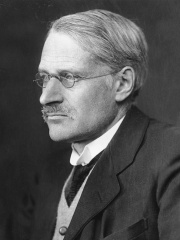
G. M. Trevelyan
HISTORIAN
1876 - 1962
HPI: 55.50
Rank: 176

Karen Lachmann
ATHLETE
1916 - 1962
HPI: 55.17
Rank: 177
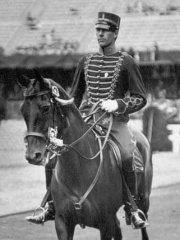
Axel Nordlander
POLITICIAN
1879 - 1962
HPI: 54.92
Rank: 178
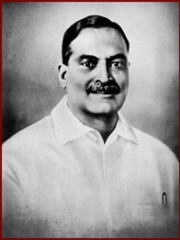
Bidhan Chandra Roy
PHYSICIAN
1882 - 1962
HPI: 54.83
Rank: 179
In Österreich
Among people born in Österreich, Julius Lenhart ranks 905 out of NaN. Before him are Anton Janda (1904), Rosa Mayreder (1858), Erwin Wurm (1954), Heinrich Messner (1939), Kiki Kogelnik (1935), and Paul Halla (1931). After him are Dieter Quester (1939), Peter Platzer (1910), Willi Forst (1903), Anna von Mildenburg (1872), Max Bulla (1905), and Károly Kós (1883).
Others born in Österreich
Go to all Rankings
Anton Janda
SOCCER PLAYER
1904 - 1986
HPI: 55.77
Rank: 899
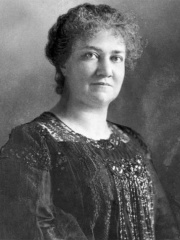
Rosa Mayreder
WRITER
1858 - 1938
HPI: 55.73
Rank: 900
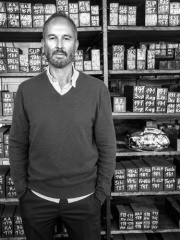
Erwin Wurm
SCULPTOR
1954 - Present
HPI: 55.69
Rank: 901
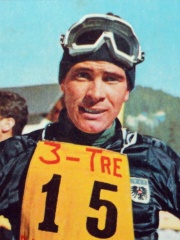
Heinrich Messner
SKIER
1939 - 2023
HPI: 55.67
Rank: 902
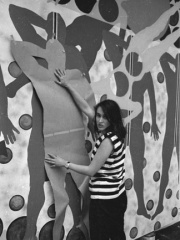
Kiki Kogelnik
PAINTER
1935 - 1997
HPI: 55.65
Rank: 903
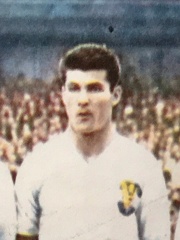
Paul Halla
SOCCER PLAYER
1931 - 2005
HPI: 55.62
Rank: 904
Julius Lenhart
GYMNAST
1875 - 1962
HPI: 55.60
Rank: 905
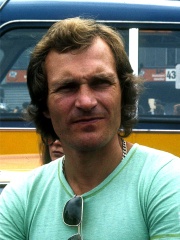
Dieter Quester
RACING DRIVER
1939 - Present
HPI: 55.59
Rank: 906

Peter Platzer
SOCCER PLAYER
1910 - 1959
HPI: 55.58
Rank: 907
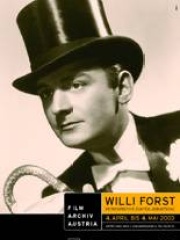
Willi Forst
ACTOR
1903 - 1980
HPI: 55.57
Rank: 908

Anna von Mildenburg
SINGER
1872 - 1947
HPI: 55.53
Rank: 909
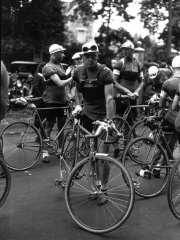
Max Bulla
CYCLIST
1905 - 1990
HPI: 55.52
Rank: 910
Károly Kós
ARCHITECT
1883 - 1977
HPI: 55.51
Rank: 911
Among Turners In Österreich
Among turners born in Österreich, Julius Lenhart ranks 1. After him are Bedřich Šupčík (1898), Vinzenz Höck (1996), and Elisa Hämmerle (1995).
Julius Lenhart
1875 - 1962
HPI: 55.60
Rank: 1
Bedřich Šupčík
1898 - 1957
HPI: 52.09
Rank: 2

Vinzenz Höck
1996 - Present
HPI: 20.66
Rank: 3

Elisa Hämmerle
1995 - Present
HPI: 15.35
Rank: 4