Physiker
Fabiola Gianotti
1960 - heute
DE.WIKIPEDIA PAGE VIEWS (PV)
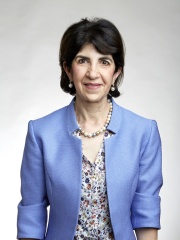
 Fabiola Gianotti
Ihre Biografie ist in 35 verschiedenen Sprachen auf Wikipedia verfügbar (gestiegen von 31 im Jahr 2024). Fabiola Gianotti ist die 529th beliebteste Physiker (gesunken vom 414th im Jahr 2024), die 2,944th beliebteste Biografie aus Italien (gesunken vom 2,173rd im Jahr 2019) und die 26th beliebteste aus Italien Physiker.
Memorability Metrics
Page views of Fabiola Gianotti by language
Among Physikers
Among physikers, Fabiola Gianotti ranks 529 out of 851. Before her are Ole Worm, John Leslie, Vagn Walfrid Ekman, George Volkoff, Paul Davies, and Giovanni Poleni. After her are Heinz von Foerster, Leonid Mandelstam, Vikram Sarabhai, Gustave Trouvé, Maurice Karnaugh, and Leona Woods.
Most Popular Physikers in Wikipedia
Go to all Rankings
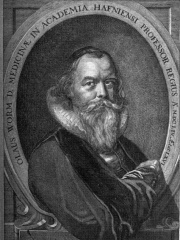
Ole Worm
1588 - 1654
HPI: 59.64
Rank: 523
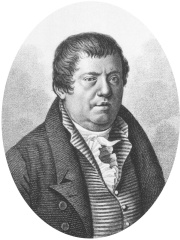
John Leslie
1766 - 1832
HPI: 59.62
Rank: 524
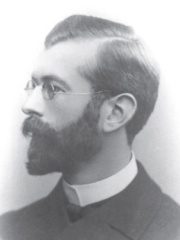
Vagn Walfrid Ekman
1874 - 1954
HPI: 59.62
Rank: 525

George Volkoff
1914 - 2000
HPI: 59.48
Rank: 526
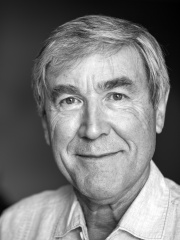
Paul Davies
1946 - Present
HPI: 59.47
Rank: 527
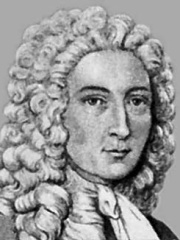
Giovanni Poleni
1683 - 1761
HPI: 59.42
Rank: 528
Fabiola Gianotti
1960 - Present
HPI: 59.37
Rank: 529
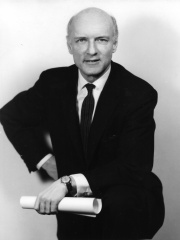
Heinz von Foerster
1911 - 2002
HPI: 59.33
Rank: 530
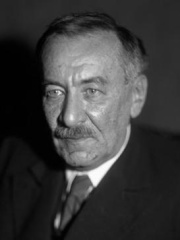
Leonid Mandelstam
1879 - 1944
HPI: 59.30
Rank: 531
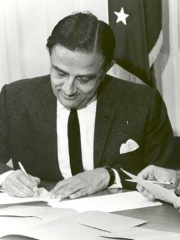
Vikram Sarabhai
1919 - 1971
HPI: 59.28
Rank: 532
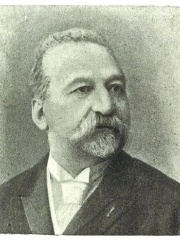
Gustave Trouvé
1839 - 1902
HPI: 59.27
Rank: 533

Maurice Karnaugh
1924 - 2022
HPI: 59.21
Rank: 534
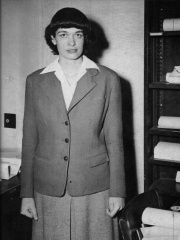
Leona Woods
1919 - 1986
HPI: 59.21
Rank: 535

Contemporaries
Among people born in 1960, Fabiola Gianotti ranks 162. Before her are Mart Laar, Jürgen Schult, Richard Linklater, Merlene Ottey, Wayne Rainey, and Micheál Martin. After her are Mohammad Javad Zarif, Choi Sang-mok, Nobuyo Fujishiro, Omar Sharmarke, Adam Clayton, and Peggy Whitson.
Others Born in 1960
Go to all Rankings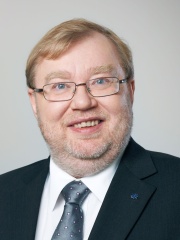
Mart Laar
POLITICIAN
1960 - Present
HPI: 59.60
Rank: 156
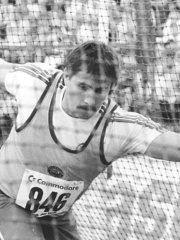
Jürgen Schult
ATHLETE
1960 - Present
HPI: 59.57
Rank: 157
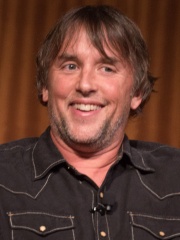
Richard Linklater
FILM DIRECTOR
1960 - Present
HPI: 59.56
Rank: 158
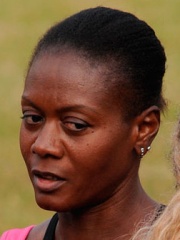
Merlene Ottey
ATHLETE
1960 - Present
HPI: 59.54
Rank: 159
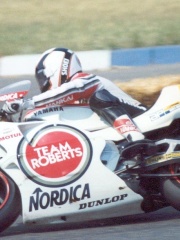
Wayne Rainey
RACING DRIVER
1960 - Present
HPI: 59.41
Rank: 160
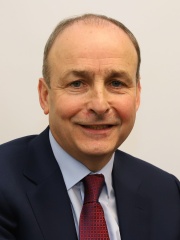
Micheál Martin
POLITICIAN
1960 - Present
HPI: 59.38
Rank: 161
Fabiola Gianotti
PHYSICIST
1960 - Present
HPI: 59.37
Rank: 162
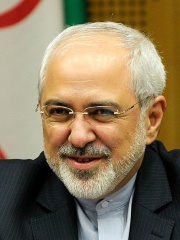
Mohammad Javad Zarif
POLITICIAN
1960 - Present
HPI: 59.28
Rank: 163
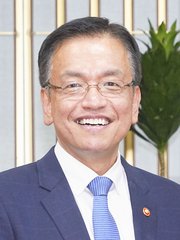
Choi Sang-mok
POLITICIAN
1960 - Present
HPI: 59.27
Rank: 164

Nobuyo Fujishiro
SOCCER PLAYER
1960 - Present
HPI: 59.24
Rank: 165
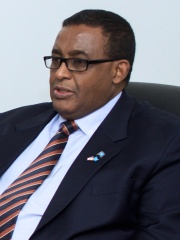
Omar Sharmarke
POLITICIAN
1960 - Present
HPI: 59.23
Rank: 166

Adam Clayton
MUSICIAN
1960 - Present
HPI: 59.14
Rank: 167
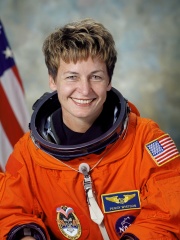
Peggy Whitson
ASTRONAUT
1960 - Present
HPI: 59.14
Rank: 168
In Italien
Among people born in Italien, Fabiola Gianotti ranks 2,944 out of NaN. Before her are Gianfranco Fini (1952), Daniele Crespi (1598), Alexander of Constantinople (250), Gnaeus Domitius Ahenobarbus (-200), Galeazzo Alessi (1512), and David Rizzio (1533). After her are Romeo Benetti (1945), Fernando Tambroni (1901), Alessandro Tassoni (1565), Corrado Alvaro (1895), Gualtiero Bassetti (1942), and Francesco Molin (1575).
Others born in Italien
Go to all Rankings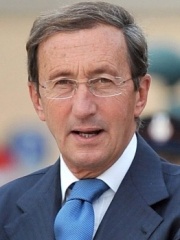
Gianfranco Fini
POLITICIAN
1952 - Present
HPI: 59.39
Rank: 2,938

Daniele Crespi
PAINTER
1598 - 1630
HPI: 59.39
Rank: 2,939
Alexander of Constantinople
RELIGIOUS FIGURE
250 - 337
HPI: 59.39
Rank: 2,940
Gnaeus Domitius Ahenobarbus
POLITICIAN
200 BC - 89 BC
HPI: 59.39
Rank: 2,941
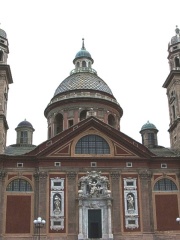
Galeazzo Alessi
ARCHITECT
1512 - 1572
HPI: 59.37
Rank: 2,942
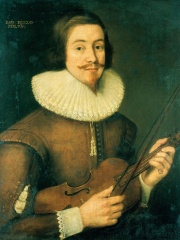
David Rizzio
NOBLEMAN
1533 - 1566
HPI: 59.37
Rank: 2,943
Fabiola Gianotti
PHYSICIST
1960 - Present
HPI: 59.37
Rank: 2,944
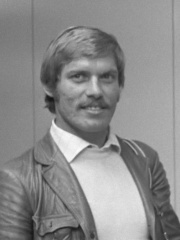
Romeo Benetti
SOCCER PLAYER
1945 - Present
HPI: 59.37
Rank: 2,945
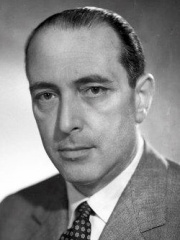
Fernando Tambroni
POLITICIAN
1901 - 1963
HPI: 59.36
Rank: 2,946
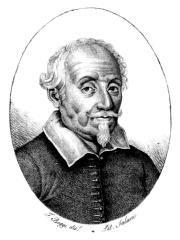
Alessandro Tassoni
WRITER
1565 - 1635
HPI: 59.36
Rank: 2,947
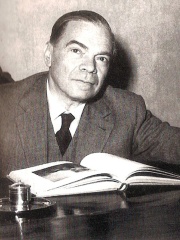
Corrado Alvaro
WRITER
1895 - 1956
HPI: 59.36
Rank: 2,948
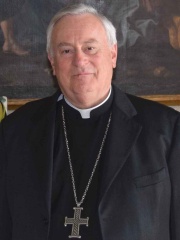
Gualtiero Bassetti
RELIGIOUS FIGURE
1942 - Present
HPI: 59.35
Rank: 2,949
Francesco Molin
POLITICIAN
1575 - 1655
HPI: 59.35
Rank: 2,950
Among Physikers In Italien
Among physikers born in Italien, Fabiola Gianotti ranks 26. Before her are Macedonio Melloni (1798), Augusto Righi (1850), Giovanni Aldini (1762), Nicola Cabibbo (1935), Edoardo Amaldi (1908), and Giovanni Poleni (1683). After her are Giovanni Battista Beccaria (1716), Richard Mollier (1863), Giuseppe Occhialini (1907), Antonio Pacinotti (1841), Tullio Regge (1931), and Franco Rasetti (1901).
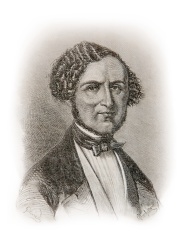
Macedonio Melloni
1798 - 1854
HPI: 60.69
Rank: 20
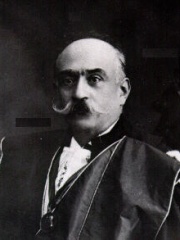
Augusto Righi
1850 - 1920
HPI: 60.37
Rank: 21
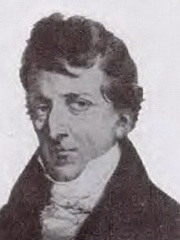
Giovanni Aldini
1762 - 1834
HPI: 60.20
Rank: 22
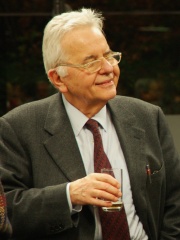
Nicola Cabibbo
1935 - 2010
HPI: 60.09
Rank: 23
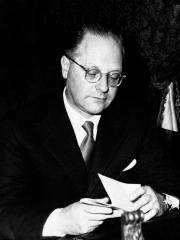
Edoardo Amaldi
1908 - 1989
HPI: 59.73
Rank: 24
Giovanni Poleni
1683 - 1761
HPI: 59.42
Rank: 25
Fabiola Gianotti
1960 - Present
HPI: 59.37
Rank: 26
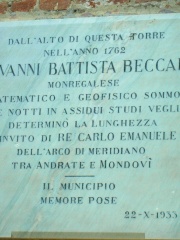
Giovanni Battista Beccaria
1716 - 1781
HPI: 58.96
Rank: 27
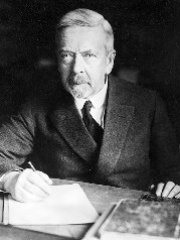
Richard Mollier
1863 - 1935
HPI: 58.91
Rank: 28
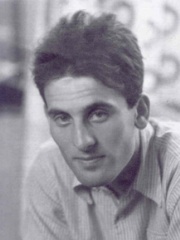
Giuseppe Occhialini
1907 - 1993
HPI: 58.77
Rank: 29
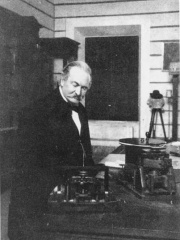
Antonio Pacinotti
1841 - 1912
HPI: 57.88
Rank: 30
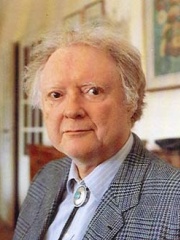
Tullio Regge
1931 - 2014
HPI: 57.51
Rank: 31
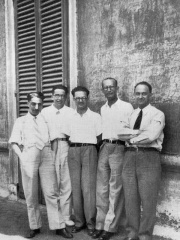
Franco Rasetti
1901 - 2001
HPI: 57.08
Rank: 32