سياسي
وانغ هونغ ون
1935 - 1992
 وانغ هونغ ون
سيرته الذاتية متاحة بـ22 لغة مختلفة على ويكيبيديا. يحتل وانغ هونغ ون المرتبة 8,866 بين أكثر سياسي شعبيةً (تراجعًا من 8,354 في 2024)، والمرتبة 594 بين أكثر السير الذاتية شعبيةً في الصين (تقدمًا من 600 في 2019)، كما يحتل المرتبة 335 بين أكثر سياسي من الصين شعبيةً.
Memorability Metrics
Page views of وانغ هونغ ون by language
Among سياسي
Among سياسي, وانغ هونغ ون ranks 8,866 out of 19,576. Before him are Cesare Mori, Pierre Pflimlin, Philip of Milly, Agnes of Hesse, Otto III, Margrave of Brandenburg, and Gupta. After him are Arame of Urartu, Manlio Brosio, Sergio Balanzino, Pandarus, Ferdinand von Bredow, and Petru Rareș.
Most Popular سياسي in Wikipedia
Go to all Rankings
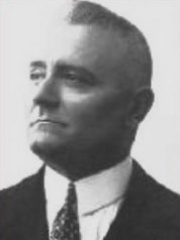
Cesare Mori
1871 - 1942
HPI: 62.40
Rank: 8,864
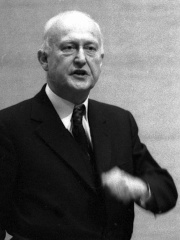
Pierre Pflimlin
1907 - 2000
HPI: 62.40
Rank: 8,865

Philip of Milly
1120 - 1171
HPI: 62.40
Rank: 8,866
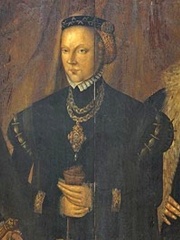
Agnes of Hesse
1527 - 1555
HPI: 62.40
Rank: 8,867
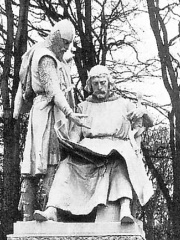
Otto III, Margrave of Brandenburg
1215 - 1267
HPI: 62.40
Rank: 8,868
Gupta
240 - 280
HPI: 62.40
Rank: 8,869
Wang Hongwen
1935 - 1992
HPI: 62.40
Rank: 8,870

Arame of Urartu
900 BC - 844 BC
HPI: 62.40
Rank: 8,871
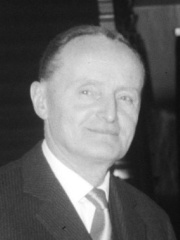
Manlio Brosio
1897 - 1980
HPI: 62.39
Rank: 8,872
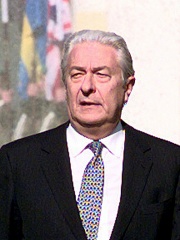
Sergio Balanzino
1934 - 2018
HPI: 62.39
Rank: 8,873
Pandarus
HPI: 62.39
Rank: 8,874
Ferdinand von Bredow
1884 - 1934
HPI: 62.39
Rank: 8,875
Petru Rareș
1487 - 1546
HPI: 62.39
Rank: 8,876

Contemporaries
Among people born in 1935, وانغ هونغ ون ranks 149. Before him are Helmut Lachenmann, Lola Novaković, Hans Tilkowski, France-Albert René, Tamara Smirnova, and Jan Saudek. After him are Richard Brautigan, Princess Elisabeth of Denmark, Antonios Naguib, Vladimir Aksyonov, Annie Proulx, and Jerry Orbach. Among people deceased in 1992, وانغ هونغ ون ranks 101. Before him are Suleiman Frangieh, Giorgio Perlasca, Nie Rongzhen, Seichō Matsumoto, Ajahn Chah, and Néstor Almendros. After him are Jean Dieudonné, Allen Newell, Abu al-Qasim al-Khoei, Fritz Leiber, Alex Haley, and Tevfik Esenç.
Others Born in 1935
Go to all Rankings
Helmut Lachenmann
COMPOSER
1935 - Present
HPI: 62.60
Rank: 143
Lola Novaković
SINGER
1935 - 2016
HPI: 62.60
Rank: 144
Hans Tilkowski
SOCCER PLAYER
1935 - 2020
HPI: 62.50
Rank: 145
France-Albert René
POLITICIAN
1935 - 2019
HPI: 62.44
Rank: 146

Tamara Smirnova
ASTRONOMER
1935 - 2001
HPI: 62.41
Rank: 147

Jan Saudek
PHOTOGRAPHER
1935 - Present
HPI: 62.41
Rank: 148
Wang Hongwen
POLITICIAN
1935 - 1992
HPI: 62.40
Rank: 149
Richard Brautigan
WRITER
1935 - 1984
HPI: 62.27
Rank: 150

Princess Elisabeth of Denmark
POLITICIAN
1935 - 2018
HPI: 62.27
Rank: 151
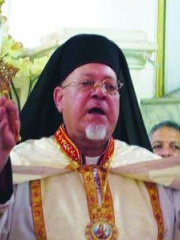
Antonios Naguib
RELIGIOUS FIGURE
1935 - 2022
HPI: 62.17
Rank: 152
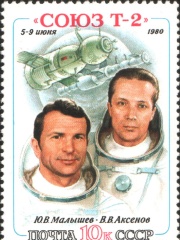
Vladimir Aksyonov
ASTRONAUT
1935 - 2024
HPI: 62.17
Rank: 153

Annie Proulx
WRITER
1935 - Present
HPI: 62.12
Rank: 154
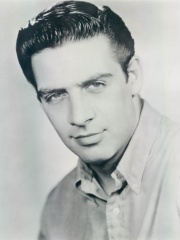
Jerry Orbach
ACTOR
1935 - 2004
HPI: 62.06
Rank: 155
Others Deceased in 1992
Go to all Rankings
Suleiman Frangieh
POLITICIAN
1910 - 1992
HPI: 62.68
Rank: 95
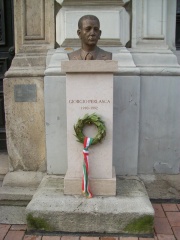
Giorgio Perlasca
POLITICIAN
1910 - 1992
HPI: 62.58
Rank: 96
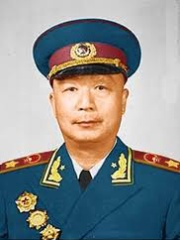
Nie Rongzhen
POLITICIAN
1899 - 1992
HPI: 62.57
Rank: 97
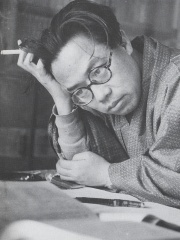
Seichō Matsumoto
WRITER
1909 - 1992
HPI: 62.56
Rank: 98
Ajahn Chah
RELIGIOUS FIGURE
1918 - 1992
HPI: 62.54
Rank: 99
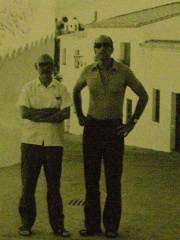
Néstor Almendros
FILM DIRECTOR
1930 - 1992
HPI: 62.40
Rank: 100
Wang Hongwen
POLITICIAN
1935 - 1992
HPI: 62.40
Rank: 101
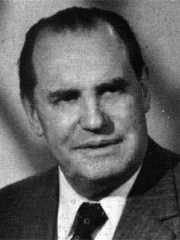
Jean Dieudonné
MATHEMATICIAN
1906 - 1992
HPI: 62.12
Rank: 102
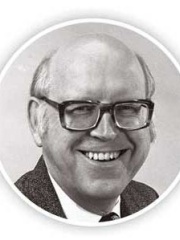
Allen Newell
COMPUTER SCIENTIST
1927 - 1992
HPI: 62.11
Rank: 103
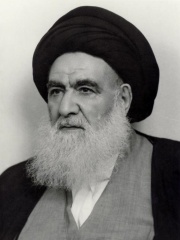
Abu al-Qasim al-Khoei
SOCIAL ACTIVIST
1899 - 1992
HPI: 61.98
Rank: 104

Fritz Leiber
WRITER
1910 - 1992
HPI: 61.94
Rank: 105
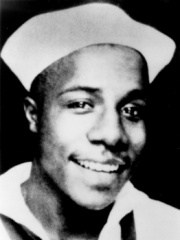
Alex Haley
WRITER
1921 - 1992
HPI: 61.90
Rank: 106
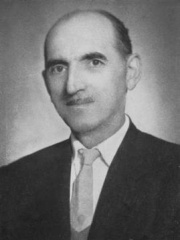
Tevfik Esenç
POLITICIAN
1904 - 1992
HPI: 61.65
Rank: 107
In الصين
Among people born in الصين, وانغ هونغ ون ranks 594 out of NaN. Before him are Sengge Rinchen (1811), Jianzhen (688), 8th Dalai Lama (1758), Man Chong (209), Erin Hunter (null), and Jin Midi (-134). After him are Joan Chen (1961), Ti Lung (1946), Sengcan (529), Liu Bocheng (1892), Ding Ling (1904), and Yin Lihua (5).
Others born in الصين
Go to all Rankings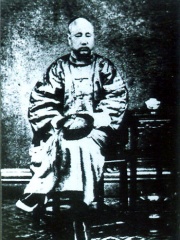
Sengge Rinchen
POLITICIAN
1811 - 1865
HPI: 62.49
Rank: 588
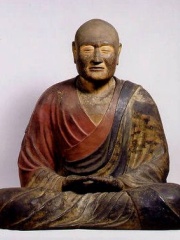
Jianzhen
RELIGIOUS FIGURE
688 - 763
HPI: 62.47
Rank: 589
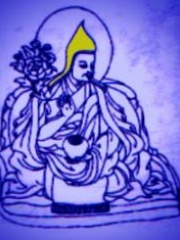
8th Dalai Lama
POLITICIAN
1758 - 1804
HPI: 62.44
Rank: 590

Man Chong
POLITICIAN
209 - Present
HPI: 62.43
Rank: 591

Erin Hunter
WRITER
HPI: 62.42
Rank: 592

Jin Midi
POLITICIAN
134 BC - 86 BC
HPI: 62.42
Rank: 593
Wang Hongwen
POLITICIAN
1935 - 1992
HPI: 62.40
Rank: 594

Joan Chen
ACTOR
1961 - Present
HPI: 62.38
Rank: 595
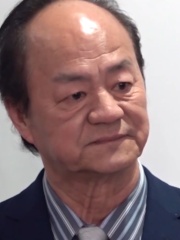
Ti Lung
ACTOR
1946 - Present
HPI: 62.37
Rank: 596
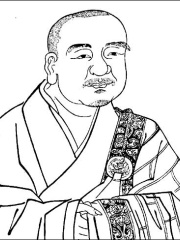
Sengcan
RELIGIOUS FIGURE
529 - 606
HPI: 62.37
Rank: 597
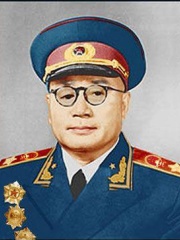
Liu Bocheng
POLITICIAN
1892 - 1986
HPI: 62.35
Rank: 598
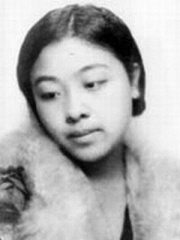
Ding Ling
WRITER
1904 - 1986
HPI: 62.35
Rank: 599
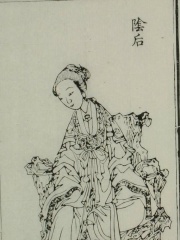
Yin Lihua
POLITICIAN
5 - 64
HPI: 62.35
Rank: 600
Among سياسي In الصين
Among سياسي born in الصين, وانغ هونغ ون ranks 335. Before him are Ngapoi Ngawang Jigme (1910), Hu Hanmin (1879), Sengge Rinchen (1811), 8th Dalai Lama (1758), Man Chong (209), and Jin Midi (-134). After him are Liu Bocheng (1892), Yin Lihua (5), Peng Zhen (1902), Ban Biao (3), Liu Yongfu (1837), and Wu Yi (1938).
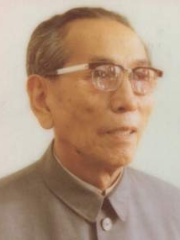
Ngapoi Ngawang Jigme
1910 - 2009
HPI: 62.51
Rank: 329
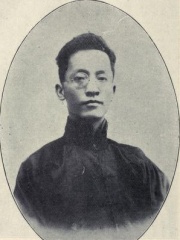
Hu Hanmin
1879 - 1936
HPI: 62.50
Rank: 330
Sengge Rinchen
1811 - 1865
HPI: 62.49
Rank: 331
8th Dalai Lama
1758 - 1804
HPI: 62.44
Rank: 332
Man Chong
209 - Present
HPI: 62.43
Rank: 333
Jin Midi
134 BC - 86 BC
HPI: 62.42
Rank: 334
Wang Hongwen
1935 - 1992
HPI: 62.40
Rank: 335
Liu Bocheng
1892 - 1986
HPI: 62.35
Rank: 336
Yin Lihua
5 - 64
HPI: 62.35
Rank: 337
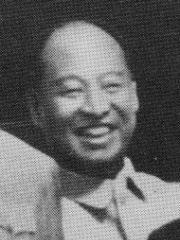
Peng Zhen
1902 - 1997
HPI: 62.34
Rank: 338

Ban Biao
3 - 54
HPI: 62.33
Rank: 339
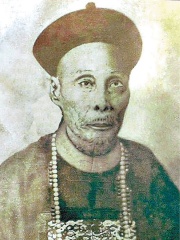
Liu Yongfu
1837 - 1917
HPI: 62.23
Rank: 340
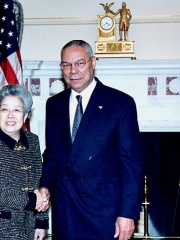
Wu Yi
1938 - Present
HPI: 62.16
Rank: 341