لاعب كرة القدم
Ryosuke Amo
1983 - حتى اليوم
AR.WIKIPEDIA PAGE VIEWS (PV)


 Ryosuke Amo
ريوسوكي أمو (باليابانية: 天羽 良輔) (1 يوليو 1983 في توكوشيما في اليابان – )؛ هو لاعب كرة قدم ياباني سابق كان يلعب كمدافع. اقرأ المزيد على ويكيبيديا
His biography is available in 23 different languages on Wikipedia (up from 22 in 2024). Ryosuke Amo is the 16,103rd most popular لاعب كرة القدم (up from 17,995th in 2024), the 4,283rd most popular biography from Japan (down from 4,190th in 2019) and the 2,080th most popular Japanese لاعب كرة القدم.
Memorability Metrics
Page views of Ryosuke Amo by language
Among لاعب كرة القدم
Among لاعب كرة القدم, Ryosuke Amo ranks 16,103 out of 21,273. Before him are Alexandru Mitriță, Jun Ando, Daniel Brosinski, Ilaria Mauro, Mario Bermejo, and Björn Engels. After him are Danilo Rinaldi, Baba Adamu, Sam Lammers, Wilker Ángel, Adaílton, and Takuto Hayashi.
Most Popular لاعب كرة القدم in Wikipedia
Go to all Rankings
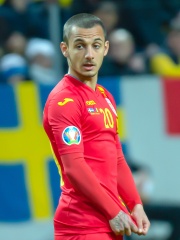
Alexandru Mitriță
1995 - Present
HPI: 38.48
Rank: 16,116

Jun Ando
1984 - Present
HPI: 38.47
Rank: 16,117

Daniel Brosinski
1988 - Present
HPI: 38.47
Rank: 16,118

Ilaria Mauro
1988 - Present
HPI: 38.47
Rank: 16,119
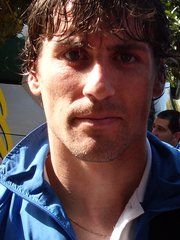
Mario Bermejo
1978 - Present
HPI: 38.47
Rank: 16,120

Björn Engels
1994 - Present
HPI: 38.47
Rank: 16,121
Ryosuke Amo
1983 - Present
HPI: 38.47
Rank: 16,122

Danilo Rinaldi
1986 - Present
HPI: 38.47
Rank: 16,123

Baba Adamu
1979 - Present
HPI: 38.47
Rank: 16,124

Sam Lammers
1997 - Present
HPI: 38.47
Rank: 16,125

Wilker Ángel
1993 - Present
HPI: 38.47
Rank: 16,126

Adaílton
1983 - Present
HPI: 38.46
Rank: 16,127

Takuto Hayashi
1982 - Present
HPI: 38.46
Rank: 16,128

Contemporaries
Among people born in 1983, Ryosuke Amo ranks 1,242. Before him are Krzysztof Lijewski, Nikola Selaković, Yoshiki Nakai, Daniele Gastaldello, Lashinda Demus, and Sileshi Sihine. After him are Adaílton, Elrio van Heerden, Priscila Perales, Makoto Kakuda, Yoshiaki Ota, and Robert Wagner.
Others Born in 1983
Go to all Rankings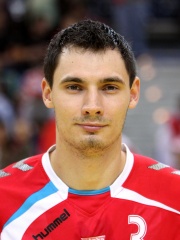
Krzysztof Lijewski
HANDBALL PLAYER
1983 - Present
HPI: 38.50
Rank: 1,236

Nikola Selaković
POLITICIAN
1983 - Present
HPI: 38.50
Rank: 1,237

Yoshiki Nakai
SOCCER PLAYER
1983 - Present
HPI: 38.48
Rank: 1,238

Daniele Gastaldello
SOCCER PLAYER
1983 - Present
HPI: 38.48
Rank: 1,239
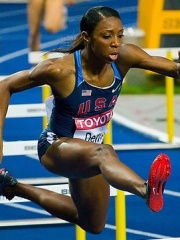
Lashinda Demus
ATHLETE
1983 - Present
HPI: 38.48
Rank: 1,240
Sileshi Sihine
ATHLETE
1983 - Present
HPI: 38.47
Rank: 1,241
Ryosuke Amo
SOCCER PLAYER
1983 - Present
HPI: 38.47
Rank: 1,242
Adaílton
SOCCER PLAYER
1983 - Present
HPI: 38.46
Rank: 1,243

Elrio van Heerden
SOCCER PLAYER
1983 - Present
HPI: 38.45
Rank: 1,244

Priscila Perales
ACTOR
1983 - Present
HPI: 38.44
Rank: 1,245

Makoto Kakuda
SOCCER PLAYER
1983 - Present
HPI: 38.41
Rank: 1,246

Yoshiaki Ota
SOCCER PLAYER
1983 - Present
HPI: 38.41
Rank: 1,247

Robert Wagner
CYCLIST
1983 - Present
HPI: 38.40
Rank: 1,248
In Japan
Among people born in Japan, Ryosuke Amo ranks 4,296 out of 6,245. Before him are Takashi Aizawa (1982), Asami Tano (1987), Miki Kanie (1988), Mitsumasa Yoda (1977), Jun Ando (1984), and Joseph Bell (null). After him are Takuto Hayashi (1982), Junri Namigata (1982), Yusuke Murayama (1981), Kei Shibata (1965), Takuya Kai (1992), and Misato Nakamura (1989).
Others born in Japan
Go to all Rankings
Takashi Aizawa
SOCCER PLAYER
1982 - Present
HPI: 38.48
Rank: 4,290

Asami Tano
ACTOR
1987 - Present
HPI: 38.48
Rank: 4,291
Miki Kanie
ATHLETE
1988 - Present
HPI: 38.48
Rank: 4,292

Mitsumasa Yoda
SOCCER PLAYER
1977 - Present
HPI: 38.48
Rank: 4,293
Jun Ando
SOCCER PLAYER
1984 - Present
HPI: 38.47
Rank: 4,294

Joseph Bell
ATHLETE
HPI: 38.47
Rank: 4,295
Ryosuke Amo
SOCCER PLAYER
1983 - Present
HPI: 38.47
Rank: 4,296
Takuto Hayashi
SOCCER PLAYER
1982 - Present
HPI: 38.46
Rank: 4,297
Junri Namigata
TENNIS PLAYER
1982 - Present
HPI: 38.45
Rank: 4,298

Yusuke Murayama
SOCCER PLAYER
1981 - Present
HPI: 38.44
Rank: 4,299

Kei Shibata
SOCCER PLAYER
1965 - Present
HPI: 38.43
Rank: 4,300

Takuya Kai
ATHLETE
1992 - Present
HPI: 38.42
Rank: 4,301

Misato Nakamura
WRESTLER
1989 - Present
HPI: 38.42
Rank: 4,302
Among لاعب كرة القدم In Japan
Among لاعب كرة القدم born in Japan, Ryosuke Amo ranks 2,093. Before him are Keisuke Funatani (1986), Norio Takahashi (1971), Yoshiki Nakai (1983), Takashi Aizawa (1982), Mitsumasa Yoda (1977), and Jun Ando (1984). After him are Takuto Hayashi (1982), Yusuke Murayama (1981), Kei Shibata (1965), Mitsuru Maruoka (1996), Shunta Nagai (1982), and Makoto Kakuda (1983).

Keisuke Funatani
1986 - Present
HPI: 38.49
Rank: 2,087

Norio Takahashi
1971 - Present
HPI: 38.49
Rank: 2,088
Yoshiki Nakai
1983 - Present
HPI: 38.48
Rank: 2,089
Takashi Aizawa
1982 - Present
HPI: 38.48
Rank: 2,090
Mitsumasa Yoda
1977 - Present
HPI: 38.48
Rank: 2,091
Jun Ando
1984 - Present
HPI: 38.47
Rank: 2,092
Ryosuke Amo
1983 - Present
HPI: 38.47
Rank: 2,093
Takuto Hayashi
1982 - Present
HPI: 38.46
Rank: 2,094
Yusuke Murayama
1981 - Present
HPI: 38.44
Rank: 2,095
Kei Shibata
1965 - Present
HPI: 38.43
Rank: 2,096

Mitsuru Maruoka
1996 - Present
HPI: 38.41
Rank: 2,097

Shunta Nagai
1982 - Present
HPI: 38.41
Rank: 2,098
Makoto Kakuda
1983 - Present
HPI: 38.41
Rank: 2,099