سياسي
Osroes I
50 - 129
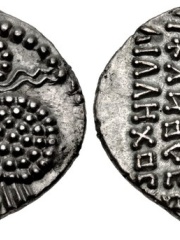
 Osroes I
سيرته الذاتية متاحة بـ35 لغة مختلفة على ويكيبيديا (زيادة من 32 في 2024). يحتل Osroes I المرتبة 2,303 بين أكثر سياسي شعبيةً (تقدمًا من 3,749 في 2024)، والمرتبة 75 بين أكثر السير الذاتية شعبيةً في إيران (تقدمًا من 140 في 2019)، كما يحتل المرتبة 38 بين أكثر سياسي من إيران شعبيةً.
Memorability Metrics
Page views of Osroes I by language
Among سياسي
Among سياسي, Osroes I ranks 2,303 out of 19,576. Before him are Cleopatra VI of Egypt, Grand Duchess Xenia Alexandrovna of Russia, Kaloyan of Bulgaria, Louise of Lorraine, Wilhelm Karl, Duke of Urach, and David Johnston. After him are Gwanghaegun of Joseon, Al-Amin, Simone Veil, Princess Sibylla of Saxe-Coburg and Gotha, Sigfried, Count of the Ardennes, and Cleopatra Eurydice of Macedon.
Most Popular سياسي in Wikipedia
Go to all Rankings
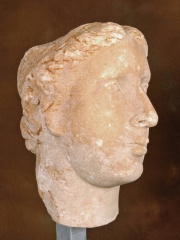
Cleopatra VI of Egypt
95 BC - 57 BC
HPI: 71.41
Rank: 2,298
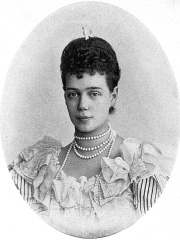
Grand Duchess Xenia Alexandrovna of Russia
1875 - 1960
HPI: 71.41
Rank: 2,299
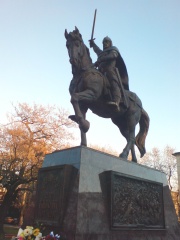
Kaloyan of Bulgaria
1168 - 1207
HPI: 71.40
Rank: 2,300
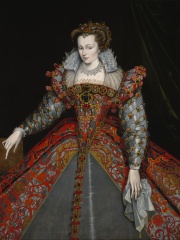
Louise of Lorraine
1553 - 1601
HPI: 71.40
Rank: 2,301
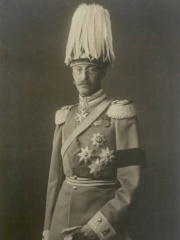
Wilhelm Karl, Duke of Urach
1864 - 1928
HPI: 71.40
Rank: 2,302
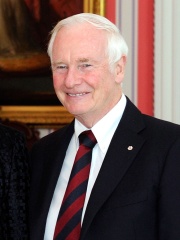
David Johnston
1941 - Present
HPI: 71.40
Rank: 2,303
Osroes I
50 - 129
HPI: 71.40
Rank: 2,304

Gwanghaegun of Joseon
1575 - 1641
HPI: 71.39
Rank: 2,305
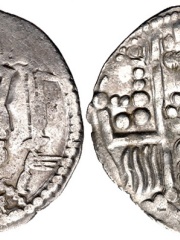
Al-Amin
787 - 813
HPI: 71.39
Rank: 2,306
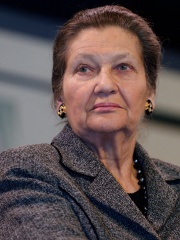
Simone Veil
1927 - 2017
HPI: 71.39
Rank: 2,307
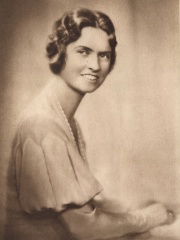
Princess Sibylla of Saxe-Coburg and Gotha
1908 - 1972
HPI: 71.39
Rank: 2,308
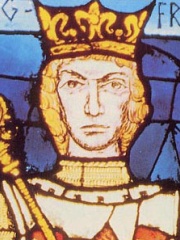
Sigfried, Count of the Ardennes
919 - 998
HPI: 71.39
Rank: 2,309

Cleopatra Eurydice of Macedon
301 BC - 336 BC
HPI: 71.38
Rank: 2,310

Contemporaries
Among people born in 50, Osroes I ranks 10. Before him are Apollodorus of Damascus, Salome, Zacchaeus, Simon bar Kokhba, Rabbi Akiva, and Simon Magus. After him are Gaius Calpurnius Piso, Phoebe, Junia, Yajnavalkya, Pacorus II, and Saint Petronilla. Among people deceased in 129, Osroes I ranks 1. After him are Quadratus of Athens, and Diogenes of Byzantium.
Others Born in 50
Go to all Rankings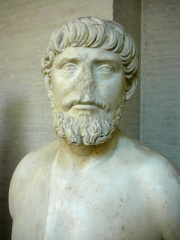
Apollodorus of Damascus
ARCHITECT
50 - 130
HPI: 76.33
Rank: 4
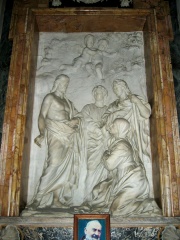
Salome
RELIGIOUS FIGURE
50 - 100
HPI: 74.90
Rank: 5
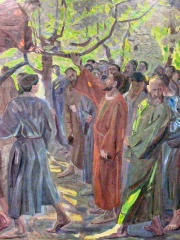
Zacchaeus
RELIGIOUS FIGURE
50 - 100
HPI: 74.62
Rank: 6
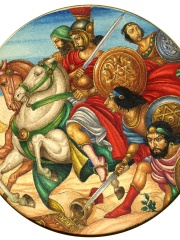
Simon bar Kokhba
SOCIAL ACTIVIST
50 - 135
HPI: 74.54
Rank: 7
Rabbi Akiva
RELIGIOUS FIGURE
50 - 136
HPI: 73.50
Rank: 8
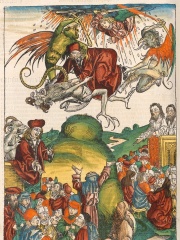
Simon Magus
RELIGIOUS FIGURE
50 - 65
HPI: 71.90
Rank: 9
Osroes I
POLITICIAN
50 - 129
HPI: 71.40
Rank: 10

Gaius Calpurnius Piso
POLITICIAN
50 - 65
HPI: 69.52
Rank: 11
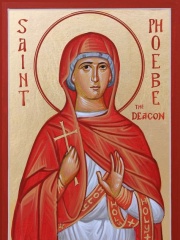
Phoebe
RELIGIOUS FIGURE
50 - 100
HPI: 69.48
Rank: 12
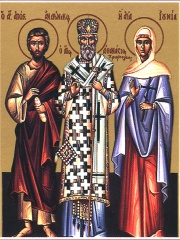
Junia
RELIGIOUS FIGURE
50 - Present
HPI: 69.25
Rank: 13
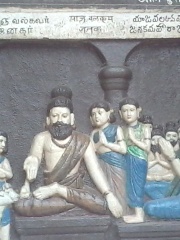
Yajnavalkya
PHILOSOPHER
50 - 700 BC
HPI: 68.10
Rank: 14

Pacorus II
POLITICIAN
50 - 105
HPI: 67.40
Rank: 15
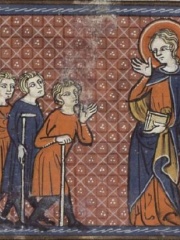
Saint Petronilla
RELIGIOUS FIGURE
50 - 100
HPI: 67.34
Rank: 16
Others Deceased in 129
Go to all RankingsOsroes I
POLITICIAN
50 - 129
HPI: 71.40
Rank: 1
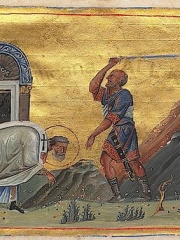
Quadratus of Athens
WRITER
100 - 129
HPI: 62.50
Rank: 2

Diogenes of Byzantium
RELIGIOUS FIGURE
100 - 129
HPI: 57.88
Rank: 3
In إيران
Among people born in إيران, Osroes I ranks 75 out of NaN. Before him are Soraya Esfandiary-Bakhtiary (1932), Abu al-Wafa' Buzjani (940), Tekuder (1247), Fakhr al-Din al-Razi (1149), `Abdu'l-Bahá (1844), and Psamtik III (-590). After him are Babak Khorramdin (798), The Iron Sheik (1942), Akbar Hashemi Rafsanjani (1934), Sogdianus of Persia (-500), Bayazid Bastami (804), and Jamshīd al-Kāshī (1380).
Others born in إيران
Go to all Rankings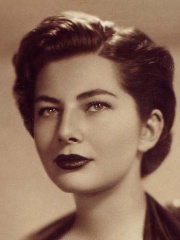
Soraya Esfandiary-Bakhtiary
COMPANION
1932 - 2001
HPI: 72.31
Rank: 69
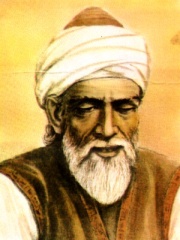
Abu al-Wafa' Buzjani
MATHEMATICIAN
940 - 998
HPI: 72.26
Rank: 70
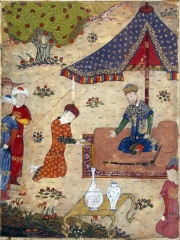
Tekuder
POLITICIAN
1247 - 1284
HPI: 72.05
Rank: 71
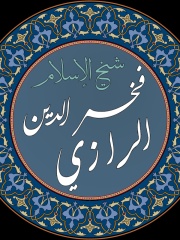
Fakhr al-Din al-Razi
PHILOSOPHER
1149 - 1209
HPI: 71.93
Rank: 72
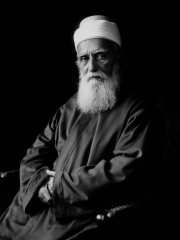
`Abdu'l-Bahá
RELIGIOUS FIGURE
1844 - 1921
HPI: 71.89
Rank: 73
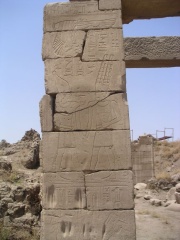
Psamtik III
POLITICIAN
590 BC - 525 BC
HPI: 71.44
Rank: 74
Osroes I
POLITICIAN
50 - 129
HPI: 71.40
Rank: 75
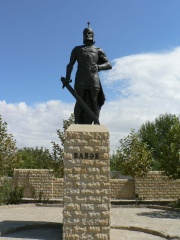
Babak Khorramdin
SOCIAL ACTIVIST
798 - 838
HPI: 71.36
Rank: 76
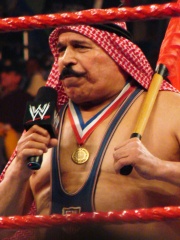
The Iron Sheik
WRESTLER
1942 - 2023
HPI: 71.31
Rank: 77
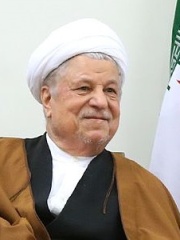
Akbar Hashemi Rafsanjani
POLITICIAN
1934 - 2017
HPI: 71.21
Rank: 78
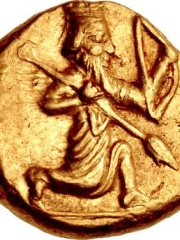
Sogdianus of Persia
POLITICIAN
500 BC - 423 BC
HPI: 71.17
Rank: 79
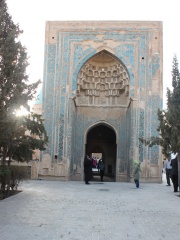
Bayazid Bastami
PHILOSOPHER
804 - 874
HPI: 71.16
Rank: 80
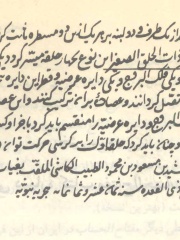
Jamshīd al-Kāshī
ASTRONOMER
1380 - 1429
HPI: 71.12
Rank: 81
Among سياسي In إيران
Among سياسي born in إيران, Osroes I ranks 38. Before him are Cyaxares (-700), Achaemenes (-800), Shapur II (309), Cyrus I (-690), Tekuder (1247), and Psamtik III (-590). After him are Akbar Hashemi Rafsanjani (1934), Sogdianus of Persia (-500), Mohammad Khatami (1943), Al-Hadi (764), Abdullah al-Mahdi Billah (873), and Ismail II (1533).
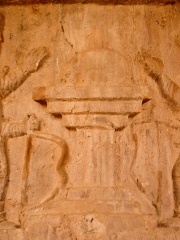
Cyaxares
700 BC - 584 BC
HPI: 72.79
Rank: 32
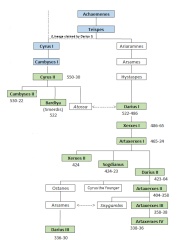
Achaemenes
800 BC - 700 BC
HPI: 72.65
Rank: 33
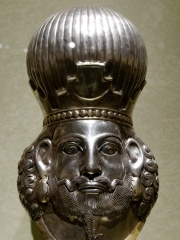
Shapur II
309 - 379
HPI: 72.64
Rank: 34
Cyrus I
690 BC - 580 BC
HPI: 72.49
Rank: 35
Tekuder
1247 - 1284
HPI: 72.05
Rank: 36
Psamtik III
590 BC - 525 BC
HPI: 71.44
Rank: 37
Osroes I
50 - 129
HPI: 71.40
Rank: 38
Akbar Hashemi Rafsanjani
1934 - 2017
HPI: 71.21
Rank: 39
Sogdianus of Persia
500 BC - 423 BC
HPI: 71.17
Rank: 40
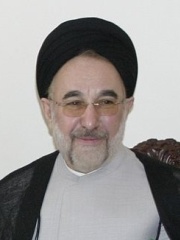
Mohammad Khatami
1943 - Present
HPI: 71.09
Rank: 41
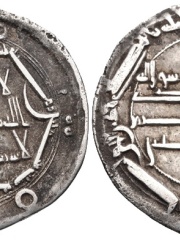
Al-Hadi
764 - 786
HPI: 71.01
Rank: 42
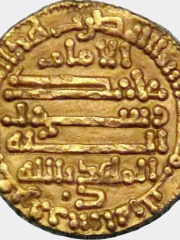
Abdullah al-Mahdi Billah
873 - 934
HPI: 70.87
Rank: 43
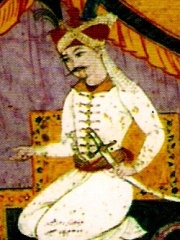
Ismail II
1533 - 1577
HPI: 70.82
Rank: 44