ملحن
Michael Nyman
1944 - حتى اليوم
AR.WIKIPEDIA PAGE VIEWS (PV)
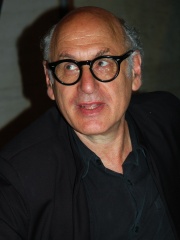

 Michael Nyman
سيرته الذاتية متاحة بـ35 لغة مختلفة على ويكيبيديا (زيادة من 33 في 2024). يحتل Michael Nyman المرتبة 342 بين أكثر ملحن شعبيةً (تراجعًا من 334 في 2024)، والمرتبة 1,133 بين أكثر السير الذاتية شعبيةً في المملكة المتحدة (تراجعًا من 1,006 في 2019)، كما يحتل المرتبة 12 بين أكثر ملحن من المملكة المتحدة شعبيةً.
Memorability Metrics
Page views of Michael Nyman by language
Among ملحن
Among ملحن, Michael Nyman ranks 342 out of 1,451. Before him are Johann van Beethoven, Irving Berlin, Klaus Schulze, Georg Benda, Clément Janequin, and Ignaz Pleyel. After him are Francesco Gasparini, Sergei Taneyev, Francesco Durante, Luigi Dallapiccola, Germaine Tailleferre, and Riccardo Broschi.
Most Popular ملحن in Wikipedia
Go to all Rankings
Johann van Beethoven
1740 - 1792
HPI: 66.70
Rank: 336
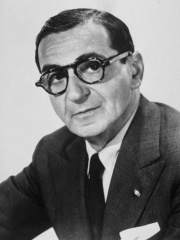
Irving Berlin
1888 - 1989
HPI: 66.70
Rank: 337

Klaus Schulze
1947 - 2022
HPI: 66.66
Rank: 338
Georg Benda
1722 - 1795
HPI: 66.66
Rank: 339

Clément Janequin
1485 - 1558
HPI: 66.63
Rank: 340
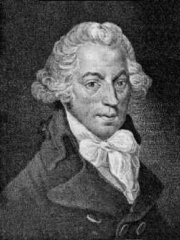
Ignaz Pleyel
1757 - 1831
HPI: 66.62
Rank: 341
Michael Nyman
1944 - Present
HPI: 66.61
Rank: 342
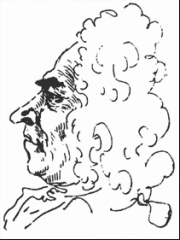
Francesco Gasparini
1668 - 1727
HPI: 66.58
Rank: 343
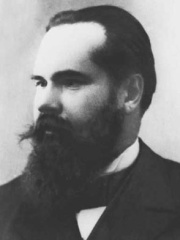
Sergei Taneyev
1856 - 1915
HPI: 66.55
Rank: 344
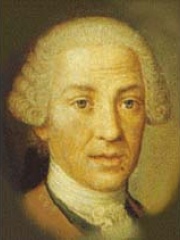
Francesco Durante
1684 - 1755
HPI: 66.41
Rank: 345

Luigi Dallapiccola
1904 - 1975
HPI: 66.41
Rank: 346
Germaine Tailleferre
1892 - 1983
HPI: 66.39
Rank: 347
Riccardo Broschi
1698 - 1756
HPI: 66.36
Rank: 348

Contemporaries
Among people born in 1944, Michael Nyman ranks 122. Before him are Coluche, Keith Emerson, Max Romeo, Peter Tosh, Patrick Depailler, and Jan Guillou. After him are Geneviève Grad, Günter Netzer, Ram Chandra Poudel, Ren Zhengfei, Rexhep Meidani, and Salmaan Taseer.
Others Born in 1944
Go to all Rankings
Coluche
ACTOR
1944 - 1986
HPI: 66.81
Rank: 116

Keith Emerson
COMPOSER
1944 - 2016
HPI: 66.79
Rank: 117
Max Romeo
SINGER
1944 - 2025
HPI: 66.72
Rank: 118

Peter Tosh
MUSICIAN
1944 - 1987
HPI: 66.71
Rank: 119
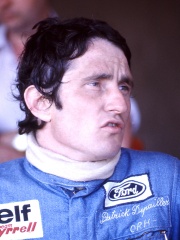
Patrick Depailler
RACING DRIVER
1944 - 1980
HPI: 66.70
Rank: 120
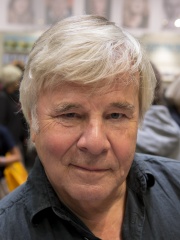
Jan Guillou
WRITER
1944 - Present
HPI: 66.67
Rank: 121
Michael Nyman
COMPOSER
1944 - Present
HPI: 66.61
Rank: 122
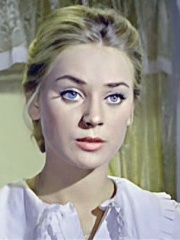
Geneviève Grad
ACTOR
1944 - 2024
HPI: 66.60
Rank: 123
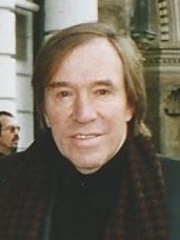
Günter Netzer
SOCCER PLAYER
1944 - Present
HPI: 66.58
Rank: 124
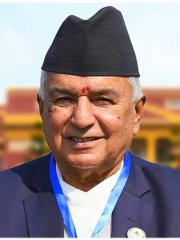
Ram Chandra Poudel
POLITICIAN
1944 - Present
HPI: 66.56
Rank: 125

Ren Zhengfei
BUSINESSPERSON
1944 - Present
HPI: 66.56
Rank: 126
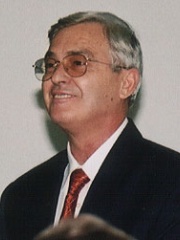
Rexhep Meidani
POLITICIAN
1944 - Present
HPI: 66.54
Rank: 127
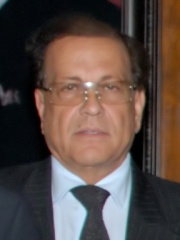
Salmaan Taseer
POLITICIAN
1944 - 2011
HPI: 66.52
Rank: 128
In المملكة المتحدة
Among people born in المملكة المتحدة, Michael Nyman ranks 1,133 out of NaN. Before him are George Vancouver (1757), Princess Maud, Countess of Southesk (1893), Philippa of England (1394), Arthur Drewry (1891), Stewart Granger (1913), and Lilian, Princess of Réthy (1916). After him are Walter Rothschild, 2nd Baron Rothschild (1868), William Cecil, 1st Baron Burghley (1520), Bill Wyman (1936), John Russell, 1st Earl Russell (1792), Margaret of York (1446), and Frederick Fleet (1887).
Others born in المملكة المتحدة
Go to all Rankings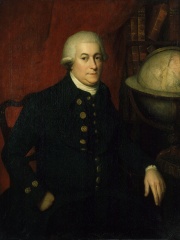
George Vancouver
EXPLORER
1757 - 1798
HPI: 66.63
Rank: 1,127
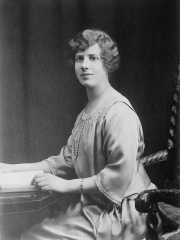
Princess Maud, Countess of Southesk
NOBLEMAN
1893 - 1945
HPI: 66.62
Rank: 1,128
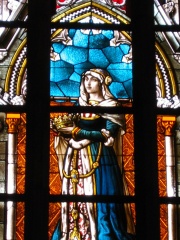
Philippa of England
POLITICIAN
1394 - 1430
HPI: 66.62
Rank: 1,129
Arthur Drewry
POLITICIAN
1891 - 1961
HPI: 66.62
Rank: 1,130
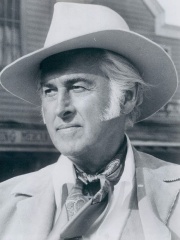
Stewart Granger
ACTOR
1913 - 1993
HPI: 66.61
Rank: 1,131
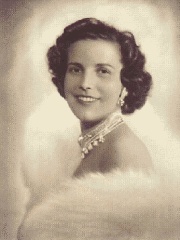
Lilian, Princess of Réthy
COMPANION
1916 - 2002
HPI: 66.61
Rank: 1,132
Michael Nyman
COMPOSER
1944 - Present
HPI: 66.61
Rank: 1,133
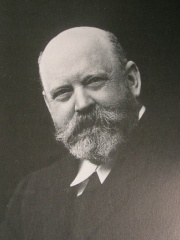
Walter Rothschild, 2nd Baron Rothschild
POLITICIAN
1868 - 1937
HPI: 66.59
Rank: 1,134
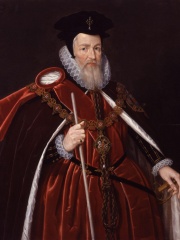
William Cecil, 1st Baron Burghley
POLITICIAN
1520 - 1598
HPI: 66.59
Rank: 1,135

Bill Wyman
MUSICIAN
1936 - Present
HPI: 66.55
Rank: 1,136
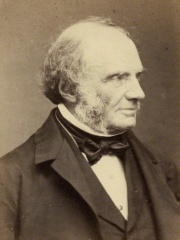
John Russell, 1st Earl Russell
POLITICIAN
1792 - 1878
HPI: 66.54
Rank: 1,137
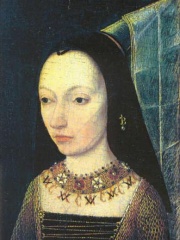
Margaret of York
POLITICIAN
1446 - 1503
HPI: 66.53
Rank: 1,138
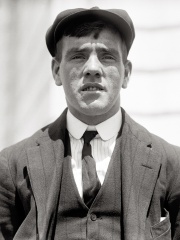
Frederick Fleet
RELIGIOUS FIGURE
1887 - 1965
HPI: 66.53
Rank: 1,139
Among ملحن In المملكة المتحدة
Among ملحن born in المملكة المتحدة, Michael Nyman ranks 12. Before him are William Byrd (1543), Gustav Holst (1874), John Barry (1933), Eugen d'Albert (1864), Thomas Tallis (1502), and Keith Emerson (1944). After him are Ralph Vaughan Williams (1872), John Dunstaple (1390), Ethel Smyth (1858), William Walton (1902), John Blow (1649), and Thomas Arne (1710).
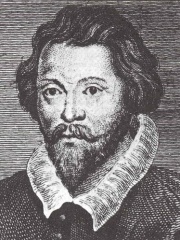
William Byrd
1543 - 1623
HPI: 71.09
Rank: 6
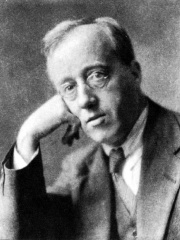
Gustav Holst
1874 - 1934
HPI: 70.55
Rank: 7
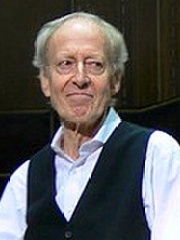
John Barry
1933 - 2011
HPI: 69.40
Rank: 8
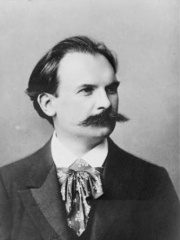
Eugen d'Albert
1864 - 1932
HPI: 68.45
Rank: 9
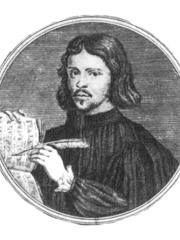
Thomas Tallis
1502 - 1585
HPI: 67.16
Rank: 10
Keith Emerson
1944 - 2016
HPI: 66.79
Rank: 11
Michael Nyman
1944 - Present
HPI: 66.61
Rank: 12
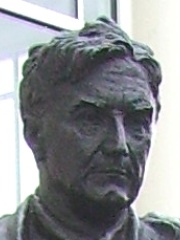
Ralph Vaughan Williams
1872 - 1958
HPI: 66.32
Rank: 13
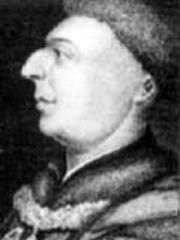
John Dunstaple
1390 - 1453
HPI: 65.85
Rank: 14
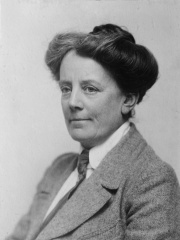
Ethel Smyth
1858 - 1944
HPI: 64.72
Rank: 15
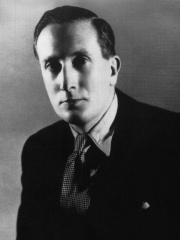
William Walton
1902 - 1983
HPI: 64.71
Rank: 16
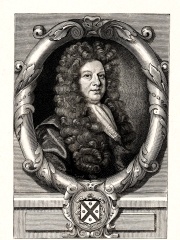
John Blow
1649 - 1708
HPI: 64.48
Rank: 17
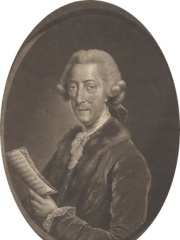
Thomas Arne
1710 - 1778
HPI: 63.99
Rank: 18