سياسي
Lothair I
795 - 855
AR.WIKIPEDIA PAGE VIEWS (PV)
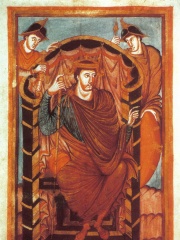
 Lothair I
سيرته الذاتية متاحة بـ65 لغة مختلفة على ويكيبيديا (زيادة من 62 في 2024). يحتل Lothair I المرتبة 599 بين أكثر سياسي شعبيةً (تراجعًا من 455 في 2024)، والمرتبة 158 بين أكثر السير الذاتية شعبيةً في ألمانيا (تراجعًا من 126 في 2019)، كما يحتل المرتبة 43 بين أكثر سياسي من ألمانيا شعبيةً.
Memorability Metrics
Page views of Lothair I by language
Among سياسي
Among سياسي, Lothair I ranks 599 out of 19,576. Before him are Auguste Beernaert, Priam, Selim III, Louis I of Hungary, Frederick I of Prussia, and Ali Pasha of Ioannina. After him are Mahmud I, Rani of Jhansi, Alaric I, Kim Dae-jung, Louis, Grand Dauphin, and Zhou Enlai.
Most Popular سياسي in Wikipedia
Go to all Rankings
Auguste Beernaert
1829 - 1912
HPI: 78.35
Rank: 593
Priam
HPI: 78.33
Rank: 594
Selim III
1761 - 1808
HPI: 78.33
Rank: 595
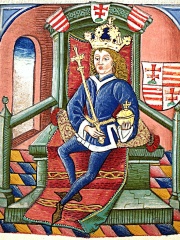
Louis I of Hungary
1326 - 1382
HPI: 78.33
Rank: 596
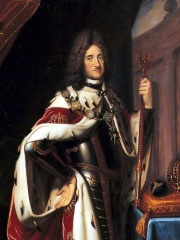
Frederick I of Prussia
1657 - 1713
HPI: 78.32
Rank: 597
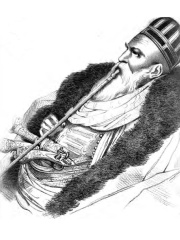
Ali Pasha of Ioannina
1750 - 1822
HPI: 78.32
Rank: 598
Lothair I
795 - 855
HPI: 78.30
Rank: 599
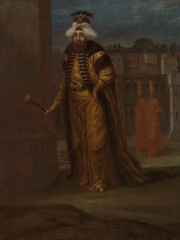
Mahmud I
1696 - 1754
HPI: 78.30
Rank: 600
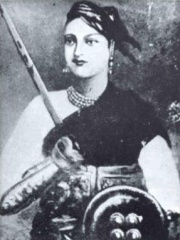
Rani of Jhansi
1828 - 1858
HPI: 78.29
Rank: 601
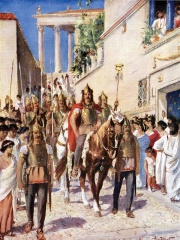
Alaric I
376 - 410
HPI: 78.28
Rank: 602

Kim Dae-jung
1924 - 2009
HPI: 78.26
Rank: 603
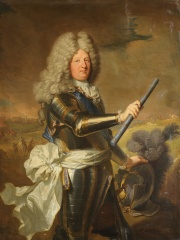
Louis, Grand Dauphin
1661 - 1711
HPI: 78.26
Rank: 604
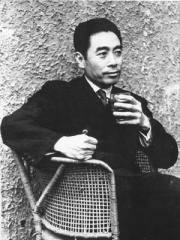
Zhou Enlai
1898 - 1976
HPI: 78.26
Rank: 605

Contemporaries
Among people born in 795, Lothair I ranks 2. Before him is Æthelwulf, King of Wessex. After him are Mojmir I of Moravia, Emperor Muzong of Tang, and Bernard of Septimania. Among people deceased in 855, Lothair I ranks 2. Before him is Pope Leo IV. After him are Ahmad ibn Hanbal, and Boso the Elder.
Others Born in 795
Go to all Rankings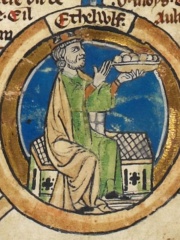
Æthelwulf, King of Wessex
POLITICIAN
795 - 858
HPI: 82.01
Rank: 1
Lothair I
POLITICIAN
795 - 855
HPI: 78.30
Rank: 2
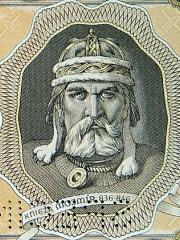
Mojmir I of Moravia
POLITICIAN
795 - 846
HPI: 68.02
Rank: 3
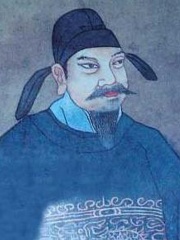
Emperor Muzong of Tang
POLITICIAN
795 - 824
HPI: 64.96
Rank: 4

Bernard of Septimania
POLITICIAN
795 - 844
HPI: 63.86
Rank: 5
Others Deceased in 855
Go to all Rankings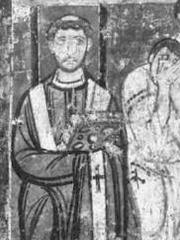
Pope Leo IV
RELIGIOUS FIGURE
790 - 855
HPI: 78.52
Rank: 1
Lothair I
POLITICIAN
795 - 855
HPI: 78.30
Rank: 2

Ahmad ibn Hanbal
WRITER
780 - 855
HPI: 78.16
Rank: 3

Boso the Elder
POLITICIAN
800 - 855
HPI: 60.16
Rank: 4
In ألمانيا
Among people born in ألمانيا, Lothair I ranks 158 out of NaN. Before him are Friedrich Merz (1955), Friedrich Wöhler (1800), Theodor W. Adorno (1903), Carl Wilhelm Scheele (1742), Hans Adolf Krebs (1900), and Friedrich Hölderlin (1770). After him are Wilhelm von Humboldt (1767), Walter Gropius (1883), Queen Silvia of Sweden (1943), Agrippina the Younger (15), George I of Great Britain (1660), and Alfred Jodl (1890).
Others born in ألمانيا
Go to all Rankings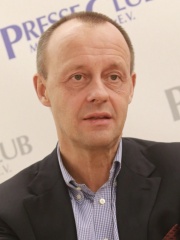
Friedrich Merz
POLITICIAN
1955 - Present
HPI: 78.54
Rank: 152
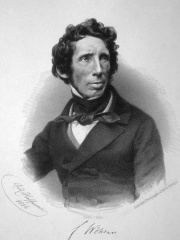
Friedrich Wöhler
CHEMIST
1800 - 1882
HPI: 78.43
Rank: 153
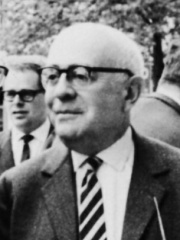
Theodor W. Adorno
SOCIOLOGIST
1903 - 1969
HPI: 78.37
Rank: 154
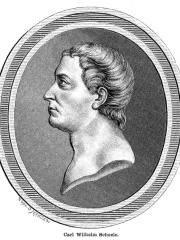
Carl Wilhelm Scheele
CHEMIST
1742 - 1786
HPI: 78.35
Rank: 155
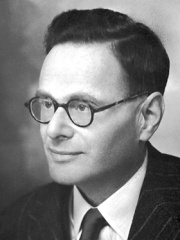
Hans Adolf Krebs
CHEMIST
1900 - 1981
HPI: 78.34
Rank: 156
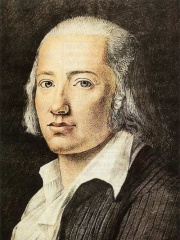
Friedrich Hölderlin
WRITER
1770 - 1843
HPI: 78.31
Rank: 157
Lothair I
POLITICIAN
795 - 855
HPI: 78.30
Rank: 158
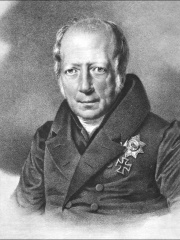
Wilhelm von Humboldt
PHILOSOPHER
1767 - 1835
HPI: 78.29
Rank: 159
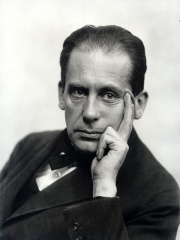
Walter Gropius
ARCHITECT
1883 - 1969
HPI: 78.26
Rank: 160
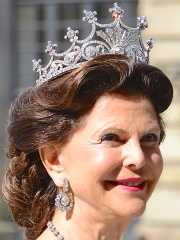
Queen Silvia of Sweden
COMPANION
1943 - Present
HPI: 78.26
Rank: 161
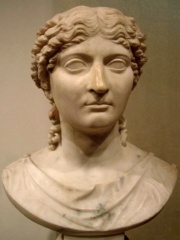
Agrippina the Younger
POLITICIAN
15 - 59
HPI: 78.24
Rank: 162
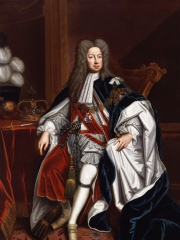
George I of Great Britain
POLITICIAN
1660 - 1727
HPI: 78.20
Rank: 163
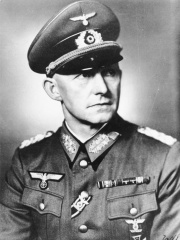
Alfred Jodl
MILITARY PERSONNEL
1890 - 1946
HPI: 78.19
Rank: 164
Among سياسي In ألمانيا
Among سياسي born in ألمانيا, Lothair I ranks 43. Before him are Henry the Fowler (876), Otto III, Holy Roman Emperor (980), Leopold I of Belgium (1790), Augustus II the Strong (1670), Frederick William IV of Prussia (1795), and Friedrich Merz (1955). After him are Agrippina the Younger (15), George I of Great Britain (1660), Henry II, Holy Roman Emperor (973), Valéry Giscard d'Estaing (1926), Franz von Papen (1879), and Olaf Scholz (1958).
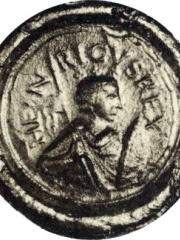
Henry the Fowler
876 - 936
HPI: 78.94
Rank: 37
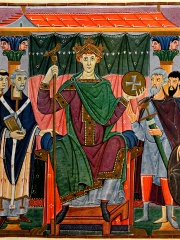
Otto III, Holy Roman Emperor
980 - 1002
HPI: 78.91
Rank: 38
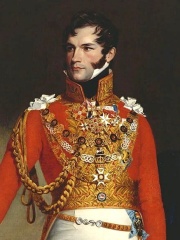
Leopold I of Belgium
1790 - 1865
HPI: 78.85
Rank: 39
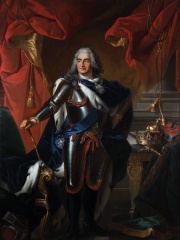
Augustus II the Strong
1670 - 1733
HPI: 78.78
Rank: 40
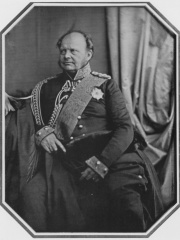
Frederick William IV of Prussia
1795 - 1861
HPI: 78.69
Rank: 41
Friedrich Merz
1955 - Present
HPI: 78.54
Rank: 42
Lothair I
795 - 855
HPI: 78.30
Rank: 43
Agrippina the Younger
15 - 59
HPI: 78.24
Rank: 44
George I of Great Britain
1660 - 1727
HPI: 78.20
Rank: 45
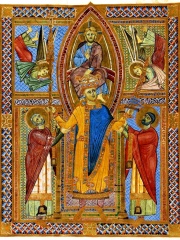
Henry II, Holy Roman Emperor
973 - 1024
HPI: 78.04
Rank: 46
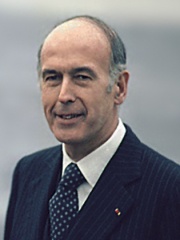
Valéry Giscard d'Estaing
1926 - 2020
HPI: 78.01
Rank: 47
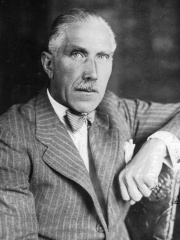
Franz von Papen
1879 - 1969
HPI: 77.94
Rank: 48

Olaf Scholz
1958 - Present
HPI: 77.93
Rank: 49