فنان
Hermann Nitsch
1938 - 2022
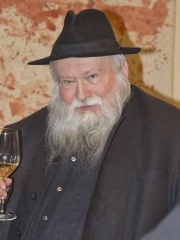
 Hermann Nitsch
سيرته الذاتية متاحة بـ20 لغة مختلفة على ويكيبيديا. يحتل Hermann Nitsch المرتبة 48 بين أكثر فنان شعبيةً (تراجعًا من 42 في 2024)، والمرتبة 482 بين أكثر السير الذاتية شعبيةً في النمسا (تراجعًا من 416 في 2019)، كما يحتل المرتبة 2 بين أكثر فنان من النمسا شعبيةً.
Memorability Metrics
Page views of Hermann Nitsch by language
Among فنان
Among فنان, Hermann Nitsch ranks 48 out of 125. Before him are Louis Comfort Tiffany, Nicholas of Verdun, Judy Chicago, Elsa von Freytag-Loringhoven, Yoshitaka Amano, and Herbert Bayer. After him are Nikolay Shmatko, Bill Viola, Theo Jansen, Bruno Munari, Hasui Kawase, and Vito Acconci.
Most Popular فنان in Wikipedia
Go to all Rankings
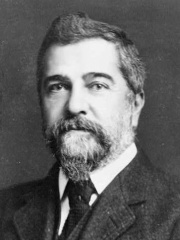
Louis Comfort Tiffany
1848 - 1933
HPI: 63.90
Rank: 42

Nicholas of Verdun
1130 - 1205
HPI: 63.41
Rank: 43
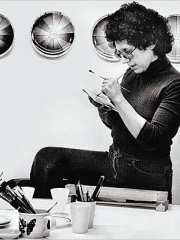
Judy Chicago
1939 - Present
HPI: 63.23
Rank: 44
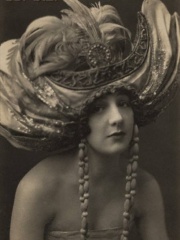
Elsa von Freytag-Loringhoven
1874 - 1927
HPI: 63.13
Rank: 45
Yoshitaka Amano
1952 - Present
HPI: 63.13
Rank: 46
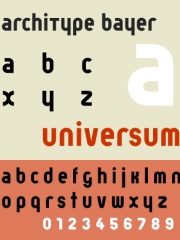
Herbert Bayer
1900 - 1985
HPI: 62.92
Rank: 47
Hermann Nitsch
1938 - 2022
HPI: 62.69
Rank: 48
Nikolay Shmatko
1943 - 2020
HPI: 62.56
Rank: 49

Bill Viola
1951 - 2024
HPI: 62.54
Rank: 50
Theo Jansen
1948 - Present
HPI: 61.78
Rank: 51
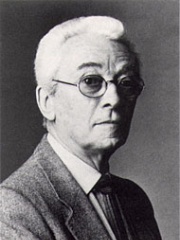
Bruno Munari
1907 - 1998
HPI: 61.70
Rank: 52
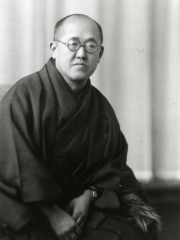
Hasui Kawase
1883 - 1957
HPI: 61.43
Rank: 53

Vito Acconci
1940 - 2017
HPI: 61.42
Rank: 54

Contemporaries
Among people born in 1938, Hermann Nitsch ranks 166. Before him are Paul Martin, Vakhtang Kikabidze, Jaswant Singh, Benjamin Mkapa, Jan Assmann, and Isabelle Aubret. After him are Johnny Rebel, Félix Mourinho, Omar Abdel-Rahman, Astrid Kirchherr, David Bailey, and Ronny Cox. Among people deceased in 2022, Hermann Nitsch ranks 144. Before him are Uri Orlev, Jean-Jacques Beineix, Kay Parker, Joseph Kittinger, Juris Hartmanis, and Luis Echeverría. After him are Richard Leakey, Ronnie Hellström, Josef Abrhám, Irene Cara, Bujar Nishani, and Gary Brooker.
Others Born in 1938
Go to all Rankings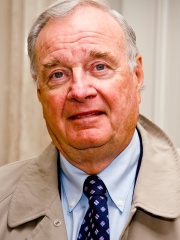
Paul Martin
POLITICIAN
1938 - Present
HPI: 62.96
Rank: 160
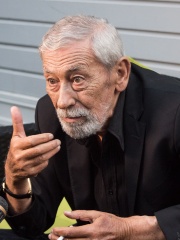
Vakhtang Kikabidze
ACTOR
1938 - 2023
HPI: 62.93
Rank: 161
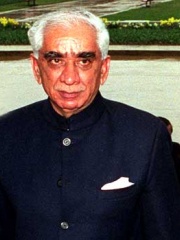
Jaswant Singh
POLITICIAN
1938 - 2020
HPI: 62.89
Rank: 162
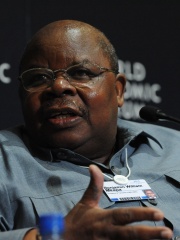
Benjamin Mkapa
POLITICIAN
1938 - 2020
HPI: 62.81
Rank: 163
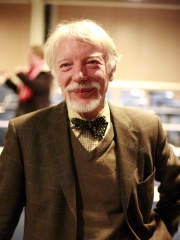
Jan Assmann
HISTORIAN
1938 - 2024
HPI: 62.79
Rank: 164
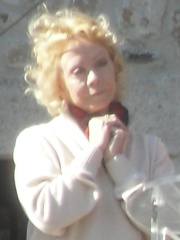
Isabelle Aubret
SINGER
1938 - Present
HPI: 62.71
Rank: 165
Hermann Nitsch
ARTIST
1938 - 2022
HPI: 62.69
Rank: 166
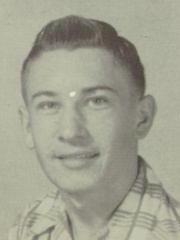
Johnny Rebel
SINGER
1938 - 2016
HPI: 62.68
Rank: 167

Félix Mourinho
SOCCER PLAYER
1938 - 2017
HPI: 62.68
Rank: 168
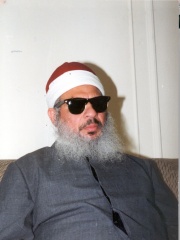
Omar Abdel-Rahman
EXTREMIST
1938 - 2017
HPI: 62.64
Rank: 169
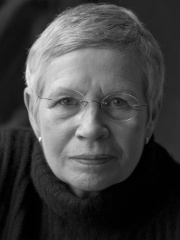
Astrid Kirchherr
PHOTOGRAPHER
1938 - 2020
HPI: 62.62
Rank: 170
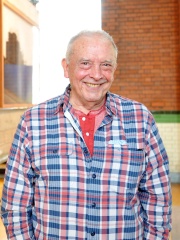
David Bailey
PHOTOGRAPHER
1938 - Present
HPI: 62.61
Rank: 171
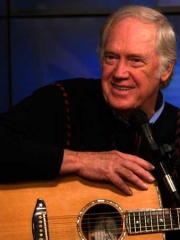
Ronny Cox
ACTOR
1938 - Present
HPI: 62.52
Rank: 172
Others Deceased in 2022
Go to all Rankings
Uri Orlev
WRITER
1931 - 2022
HPI: 63.03
Rank: 138

Jean-Jacques Beineix
FILM DIRECTOR
1946 - 2022
HPI: 63.00
Rank: 139
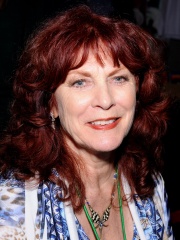
Kay Parker
PORNOGRAPHIC ACTOR
1944 - 2022
HPI: 62.92
Rank: 140
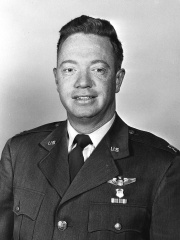
Joseph Kittinger
PILOT
1928 - 2022
HPI: 62.79
Rank: 141
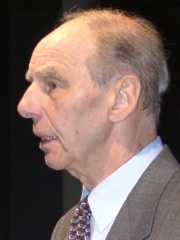
Juris Hartmanis
COMPUTER SCIENTIST
1928 - 2022
HPI: 62.75
Rank: 142
Luis Echeverría
POLITICIAN
1922 - 2022
HPI: 62.72
Rank: 143
Hermann Nitsch
ARTIST
1938 - 2022
HPI: 62.69
Rank: 144
Richard Leakey
ANTHROPOLOGIST
1944 - 2022
HPI: 62.68
Rank: 145
Ronnie Hellström
SOCCER PLAYER
1949 - 2022
HPI: 62.66
Rank: 146
Josef Abrhám
ACTOR
1939 - 2022
HPI: 62.62
Rank: 147
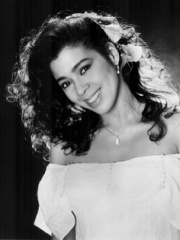
Irene Cara
ACTOR
1959 - 2022
HPI: 62.60
Rank: 148
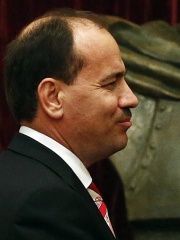
Bujar Nishani
POLITICIAN
1966 - 2022
HPI: 62.42
Rank: 149
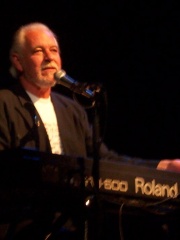
Gary Brooker
SINGER
1945 - 2022
HPI: 62.37
Rank: 150
In النمسا
Among people born in النمسا, Hermann Nitsch ranks 482 out of NaN. Before him are Karl Schäfer (1909), Friedrich Koncilia (1948), Avgustyn Voloshyn (1874), Elisabeth of Austria, Duchess of Lorraine (1285), Princess Victoria of Saxe-Coburg and Gotha (1822), and Tina Blau (1845). After him are Konstantin Jireček (1854), Franz Klammer (1953), Eva Schloss (1929), Brian Laudrup (1969), Margaret of Austria, Electress of Saxony (1416), and Ignaz Seipel (1876).
Others born in النمسا
Go to all Rankings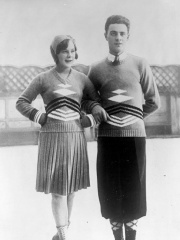
Karl Schäfer
SKATER
1909 - 1976
HPI: 62.91
Rank: 476

Friedrich Koncilia
SOCCER PLAYER
1948 - Present
HPI: 62.83
Rank: 477
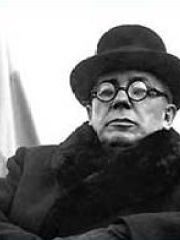
Avgustyn Voloshyn
POLITICIAN
1874 - 1945
HPI: 62.82
Rank: 478
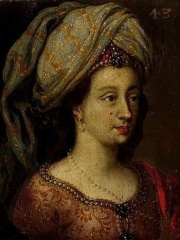
Elisabeth of Austria, Duchess of Lorraine
POLITICIAN
1285 - 1352
HPI: 62.80
Rank: 479
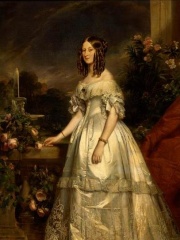
Princess Victoria of Saxe-Coburg and Gotha
POLITICIAN
1822 - 1857
HPI: 62.71
Rank: 480
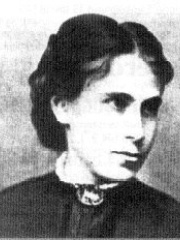
Tina Blau
PAINTER
1845 - 1916
HPI: 62.71
Rank: 481
Hermann Nitsch
ARTIST
1938 - 2022
HPI: 62.69
Rank: 482
Konstantin Jireček
POLITICIAN
1854 - 1918
HPI: 62.64
Rank: 483
Franz Klammer
SKIER
1953 - Present
HPI: 62.59
Rank: 484
Eva Schloss
WRITER
1929 - 2026
HPI: 62.58
Rank: 485
Brian Laudrup
SOCCER PLAYER
1969 - Present
HPI: 62.57
Rank: 486
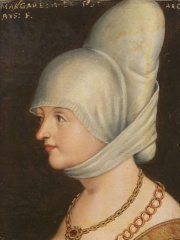
Margaret of Austria, Electress of Saxony
NOBLEMAN
1416 - 1486
HPI: 62.56
Rank: 487
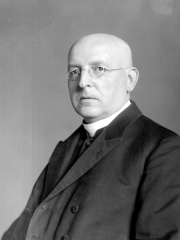
Ignaz Seipel
POLITICIAN
1876 - 1932
HPI: 62.56
Rank: 488
Among فنان In النمسا
Among فنان born in النمسا, Hermann Nitsch ranks 2. Before him are Herbert Bayer (1900). After him are Gottfried Helnwein (1948), Günter Brus (1938), and Antonie Brentano (1780).
Herbert Bayer
1900 - 1985
HPI: 62.92
Rank: 1
Hermann Nitsch
1938 - 2022
HPI: 62.69
Rank: 2
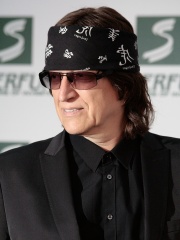
Gottfried Helnwein
1948 - Present
HPI: 61.31
Rank: 3

Günter Brus
1938 - 2024
HPI: 58.89
Rank: 4
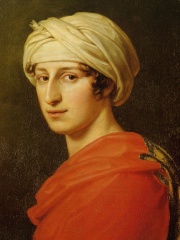
Antonie Brentano
1780 - 1869
HPI: 56.14
Rank: 5