شخصية دينية
Giovanni Lajolo
1935 - حتى اليوم
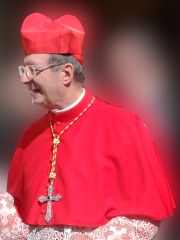
 Giovanni Lajolo
سيرته الذاتية متاحة بـ28 لغة مختلفة على ويكيبيديا (زيادة من 24 في 2024). يحتل Giovanni Lajolo المرتبة 1,162 بين أكثر شخصية دينية شعبيةً (تقدمًا من 1,690 في 2024)، والمرتبة 1,569 بين أكثر السير الذاتية شعبيةً في إيطاليا (تقدمًا من 2,461 في 2019)، كما يحتل المرتبة 344 بين أكثر شخصية دينية من إيطاليا شعبيةً.
Memorability Metrics
Page views of Giovanni Lajolo by language
Among شخصية دينية
Among شخصية دينية, Giovanni Lajolo ranks 1,162 out of 3,187. Before him are Theodore of Mopsuestia, George Müller, Pat Garrett, Jean-Pierre Kutwa, Nicholas of Tolentino, and Theophylact of Constantinople. After him are Julian Cesarini, Yves Congar, Arsenius the Great, Jakob Ammann, Sai Baba of Shirdi, and Jeanne Guyon.
Most Popular شخصية دينية in Wikipedia
Go to all Rankings

Theodore of Mopsuestia
350 - 428
HPI: 65.64
Rank: 1,156
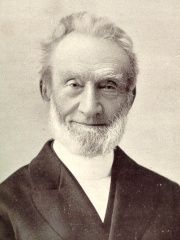
George Müller
1805 - 1898
HPI: 65.62
Rank: 1,157
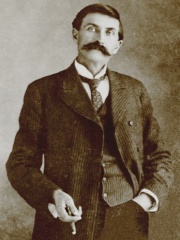
Pat Garrett
1850 - 1908
HPI: 65.62
Rank: 1,158
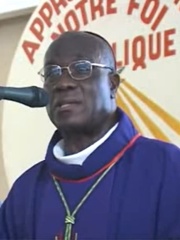
Jean-Pierre Kutwa
1945 - Present
HPI: 65.58
Rank: 1,159
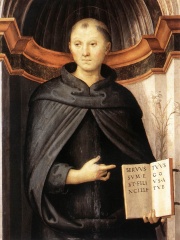
Nicholas of Tolentino
1245 - 1305
HPI: 65.58
Rank: 1,160

Theophylact of Constantinople
917 - 956
HPI: 65.57
Rank: 1,161
Giovanni Lajolo
1935 - Present
HPI: 65.56
Rank: 1,162
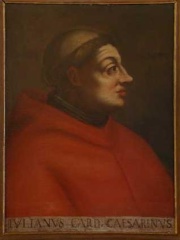
Julian Cesarini
1398 - 1444
HPI: 65.56
Rank: 1,163
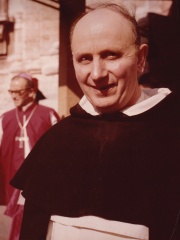
Yves Congar
1904 - 1995
HPI: 65.56
Rank: 1,164
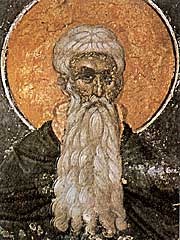
Arsenius the Great
354 - 449
HPI: 65.55
Rank: 1,165

Jakob Ammann
1644 - 1730
HPI: 65.51
Rank: 1,166
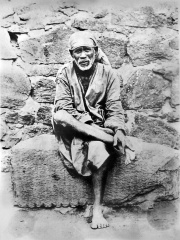
Sai Baba of Shirdi
1835 - 1918
HPI: 65.49
Rank: 1,167
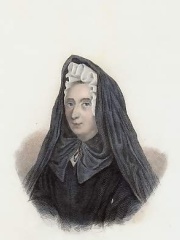
Jeanne Guyon
1648 - 1717
HPI: 65.49
Rank: 1,168

Contemporaries
Among people born in 1935, Giovanni Lajolo ranks 78. Before him are Mohammad Hussein Fadlallah, Friðrik Ólafsson, Pepe, Lajos Tichy, Bent Larsen, and Lee Remick. After him are António Ramalho Eanes, Toni Sailer, Sonny Bono, Roger B. Chaffee, Maj Sjöwall, and Ken Kesey.
Others Born in 1935
Go to all Rankings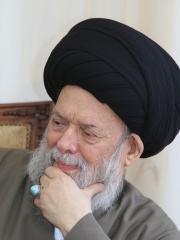
Mohammad Hussein Fadlallah
RELIGIOUS FIGURE
1935 - 2010
HPI: 65.96
Rank: 72
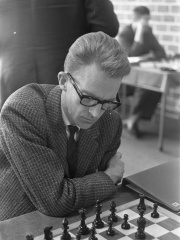
Friðrik Ólafsson
CHESS PLAYER
1935 - 2025
HPI: 65.92
Rank: 73
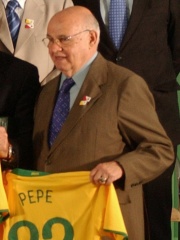
Pepe
SOCCER PLAYER
1935 - Present
HPI: 65.83
Rank: 74
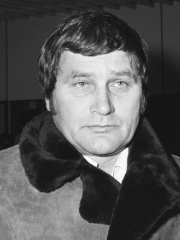
Lajos Tichy
SOCCER PLAYER
1935 - 1999
HPI: 65.83
Rank: 75
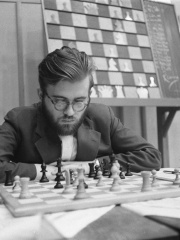
Bent Larsen
CHESS PLAYER
1935 - 2010
HPI: 65.77
Rank: 76
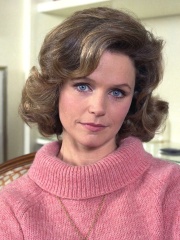
Lee Remick
ACTOR
1935 - 1991
HPI: 65.57
Rank: 77
Giovanni Lajolo
RELIGIOUS FIGURE
1935 - Present
HPI: 65.56
Rank: 78
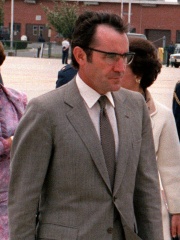
António Ramalho Eanes
POLITICIAN
1935 - Present
HPI: 65.56
Rank: 79
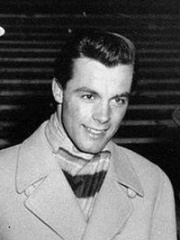
Toni Sailer
SKIER
1935 - 2009
HPI: 65.55
Rank: 80
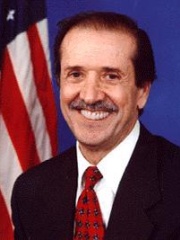
Sonny Bono
SINGER
1935 - 1998
HPI: 65.53
Rank: 81
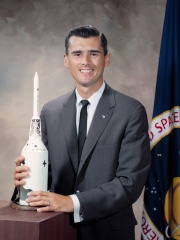
Roger B. Chaffee
ASTRONAUT
1935 - 1967
HPI: 65.48
Rank: 82
Maj Sjöwall
WRITER
1935 - 2020
HPI: 65.32
Rank: 83
Ken Kesey
WRITER
1935 - 2001
HPI: 65.21
Rank: 84
In إيطاليا
Among people born in إيطاليا, Giovanni Lajolo ranks 1,569 out of NaN. Before him are Myia (-600), Nicholas of Tolentino (1245), Giovanni Legrenzi (1626), Francesco Maria Piave (1810), Cecilia Gallerani (1473), and Amy Adams (1974). After him are Julian Cesarini (1398), Arsenius the Great (354), Pier Luigi Nervi (1891), Gian Maria Visconti (1388), Licio Gelli (1919), and Mondino de Luzzi (1275).
Others born in إيطاليا
Go to all Rankings
Myia
PHILOSOPHER
600 BC - 560 BC
HPI: 65.59
Rank: 1,563
Nicholas of Tolentino
RELIGIOUS FIGURE
1245 - 1305
HPI: 65.58
Rank: 1,564
Giovanni Legrenzi
COMPOSER
1626 - 1690
HPI: 65.58
Rank: 1,565
Francesco Maria Piave
WRITER
1810 - 1876
HPI: 65.57
Rank: 1,566
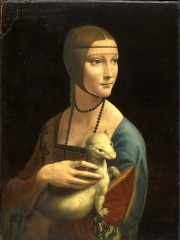
Cecilia Gallerani
CELEBRITY
1473 - 1536
HPI: 65.57
Rank: 1,567

Amy Adams
ACTOR
1974 - Present
HPI: 65.56
Rank: 1,568
Giovanni Lajolo
RELIGIOUS FIGURE
1935 - Present
HPI: 65.56
Rank: 1,569
Julian Cesarini
RELIGIOUS FIGURE
1398 - 1444
HPI: 65.56
Rank: 1,570
Arsenius the Great
RELIGIOUS FIGURE
354 - 449
HPI: 65.55
Rank: 1,571
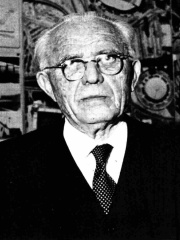
Pier Luigi Nervi
ARCHITECT
1891 - 1979
HPI: 65.55
Rank: 1,572
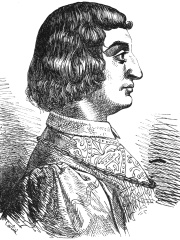
Gian Maria Visconti
POLITICIAN
1388 - 1412
HPI: 65.54
Rank: 1,573
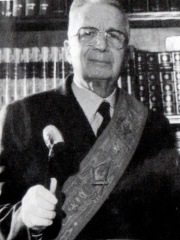
Licio Gelli
POLITICIAN
1919 - 2015
HPI: 65.54
Rank: 1,574
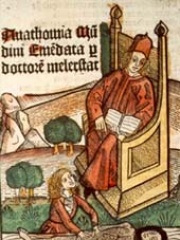
Mondino de Luzzi
PHYSICIAN
1275 - 1326
HPI: 65.53
Rank: 1,575
Among شخصية دينية In إيطاليا
Among شخصية دينية born in إيطاليا, Giovanni Lajolo ranks 344. Before him are Pierbattista Pizzaballa (1965), Henry Benedict Stuart (1725), Felix of Cantalice (1515), Catherine of Ricci (1522), Antipope Honorius II (1010), and Nicholas of Tolentino (1245). After him are Julian Cesarini (1398), Arsenius the Great (354), Rose of Viterbo (1233), Maria Domenica Mazzarello (1837), Raffaele Riario (1461), and Angelo Comastri (1943).
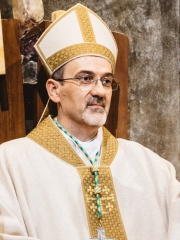
Pierbattista Pizzaballa
1965 - Present
HPI: 65.85
Rank: 338
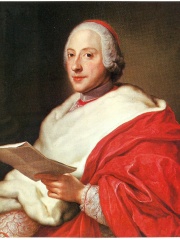
Henry Benedict Stuart
1725 - 1807
HPI: 65.79
Rank: 339
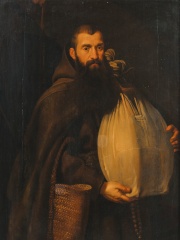
Felix of Cantalice
1515 - 1587
HPI: 65.76
Rank: 340
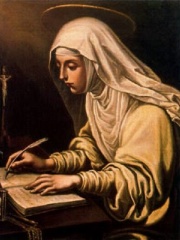
Catherine of Ricci
1522 - 1590
HPI: 65.68
Rank: 341

Antipope Honorius II
1010 - 1072
HPI: 65.67
Rank: 342
Nicholas of Tolentino
1245 - 1305
HPI: 65.58
Rank: 343
Giovanni Lajolo
1935 - Present
HPI: 65.56
Rank: 344
Julian Cesarini
1398 - 1444
HPI: 65.56
Rank: 345
Arsenius the Great
354 - 449
HPI: 65.55
Rank: 346

Rose of Viterbo
1233 - 1252
HPI: 65.45
Rank: 347
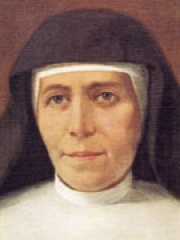
Maria Domenica Mazzarello
1837 - 1881
HPI: 65.40
Rank: 348
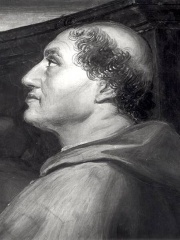
Raffaele Riario
1461 - 1521
HPI: 65.29
Rank: 349
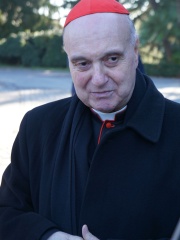
Angelo Comastri
1943 - Present
HPI: 65.20
Rank: 350