كاتب
Ennius
239 BC - 169 BC
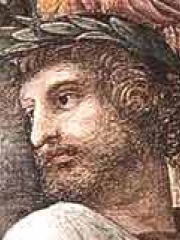
 Ennius
اينيوس (239 ق.م - 169 ق.م) هو كاتب عاش خلال فترة الجمهورية الرومانية ويعتبر أبو الشعر الروماني. كان من الاوسكانيون وهم من اللغويون الذين عاشوا وسط وجنوبي إيطاليا. بالرغم من ضياع معظم أعماله، الا ان تأثيره على الادب الاتيني عظيم. اقرأ المزيد على ويكيبيديا
His biography is available in 50 different languages on Wikipedia (up from 49 in 2024). Ennius is the 421st most popular كاتب (down from 369th in 2024), the 594th most popular biography from Italy (down from 489th in 2019) and the 37th most popular Italian كاتب.
Ennius is most famous for his epic poem, Annales, which is an account of Rome from its founding to the time of Ennius.
Memorability Metrics
Page views of Ennius by language
Among كاتب
Among كاتب, Ennius ranks 421 out of 7,302. Before him are James Fenimore Cooper, Henning Mankell, Arthur de Gobineau, Jack Kerouac, Pietro Aretino, and Paula Hitler. After him are John Galsworthy, Propertius, Ian Fleming, Attar of Nishapur, Isabelle de Charrière, and Saint-John Perse.
Most Popular كاتب in Wikipedia
Go to all Rankings
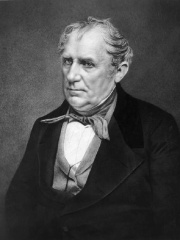
James Fenimore Cooper
1789 - 1851
HPI: 73.85
Rank: 415
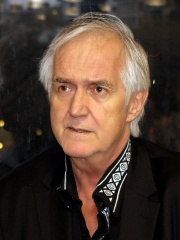
Henning Mankell
1948 - 2015
HPI: 73.84
Rank: 416
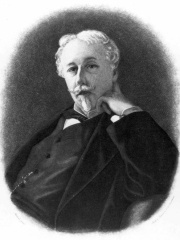
Arthur de Gobineau
1816 - 1882
HPI: 73.81
Rank: 417

Jack Kerouac
1922 - 1969
HPI: 73.77
Rank: 418
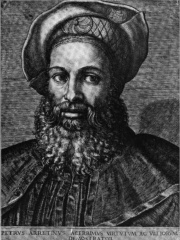
Pietro Aretino
1492 - 1556
HPI: 73.72
Rank: 419

Paula Hitler
1896 - 1960
HPI: 73.71
Rank: 420
Ennius
239 BC - 169 BC
HPI: 73.69
Rank: 421
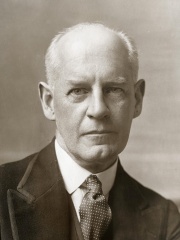
John Galsworthy
1867 - 1933
HPI: 73.68
Rank: 422

Propertius
50 BC - 14 BC
HPI: 73.64
Rank: 423
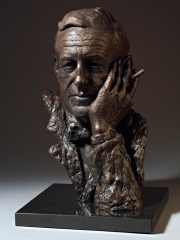
Ian Fleming
1908 - 1964
HPI: 73.64
Rank: 424
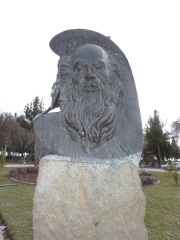
Attar of Nishapur
1145 - 1220
HPI: 73.64
Rank: 425
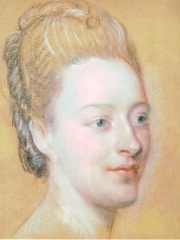
Isabelle de Charrière
1740 - 1805
HPI: 73.62
Rank: 426
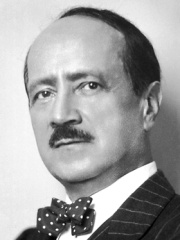
Saint-John Perse
1887 - 1975
HPI: 73.61
Rank: 427

Contemporaries
Among people born in 239 BC, Ennius ranks 1. Among people deceased in 169 BC, Ennius ranks 1.
Others Born in 239 BC
Go to all RankingsOthers Deceased in 169 BC
Go to all RankingsIn Italy
Among people born in Italy, Ennius ranks 594 out of 5,161. Before him are Pope Boniface II (470), Marie Thérèse Louise of Savoy, Princesse de Lamballe (1749), Pietro Aretino (1492), Pope Leo V (870), Lucilla (150), and Salvatore Adamo (1943). After him are Giulio Caccini (1551), Laura Bassi (1711), Pope John XIII (930), Francesco Redi (1626), Pope Anastasius II (450), and Propertius (-50).
Others born in Italy
Go to all Rankings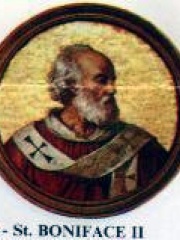
Pope Boniface II
RELIGIOUS FIGURE
470 - 532
HPI: 73.77
Rank: 588
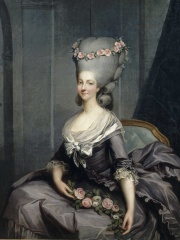
Marie Thérèse Louise of Savoy, Princesse de Lamballe
POLITICIAN
1749 - 1792
HPI: 73.76
Rank: 589
Pietro Aretino
WRITER
1492 - 1556
HPI: 73.72
Rank: 590
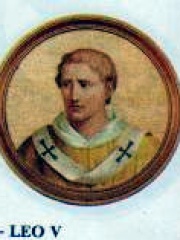
Pope Leo V
RELIGIOUS FIGURE
870 - 905
HPI: 73.72
Rank: 591
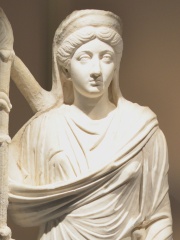
Lucilla
POLITICIAN
150 - 182
HPI: 73.72
Rank: 592

Salvatore Adamo
SINGER
1943 - Present
HPI: 73.71
Rank: 593
Ennius
WRITER
239 BC - 169 BC
HPI: 73.69
Rank: 594

Giulio Caccini
COMPOSER
1551 - 1618
HPI: 73.69
Rank: 595
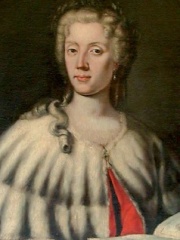
Laura Bassi
PHYSICIST
1711 - 1778
HPI: 73.68
Rank: 596
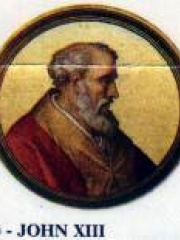
Pope John XIII
RELIGIOUS FIGURE
930 - 972
HPI: 73.66
Rank: 597
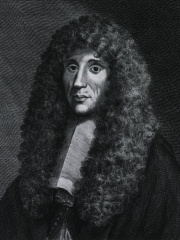
Francesco Redi
PHYSICIAN
1626 - 1697
HPI: 73.66
Rank: 598
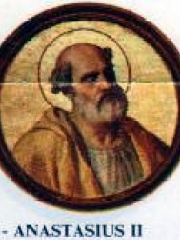
Pope Anastasius II
RELIGIOUS FIGURE
450 - 498
HPI: 73.65
Rank: 599
Propertius
WRITER
50 BC - 14 BC
HPI: 73.64
Rank: 600
Among كاتب In Italy
Among كاتب born in Italy, Ennius ranks 37. Before him are Lorenzo Valla (1407), Cornelius Nepos (-100), Elena Ferrante (1943), Giosuè Carducci (1835), Livius Andronicus (-280), and Pietro Aretino (1492). After him are Propertius (-50), Fausto Cercignani (1941), Baldassare Castiglione (1478), Statius (40), Alessandro Manzoni (1785), and Edmondo De Amicis (1846).
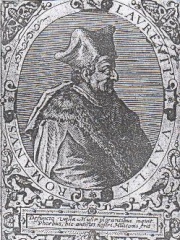
Lorenzo Valla
1407 - 1457
HPI: 74.42
Rank: 31
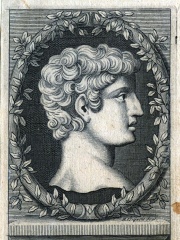
Cornelius Nepos
100 BC - 25 BC
HPI: 74.23
Rank: 32

Elena Ferrante
1943 - Present
HPI: 74.21
Rank: 33
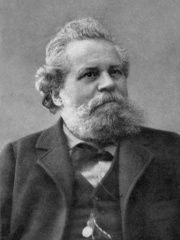
Giosuè Carducci
1835 - 1907
HPI: 74.14
Rank: 34
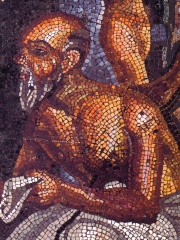
Livius Andronicus
280 BC - 200 BC
HPI: 73.96
Rank: 35
Pietro Aretino
1492 - 1556
HPI: 73.72
Rank: 36
Ennius
239 BC - 169 BC
HPI: 73.69
Rank: 37
Propertius
50 BC - 14 BC
HPI: 73.64
Rank: 38

Fausto Cercignani
1941 - Present
HPI: 73.47
Rank: 39
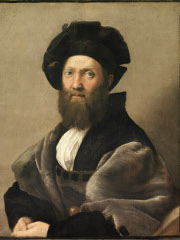
Baldassare Castiglione
1478 - 1529
HPI: 73.29
Rank: 40
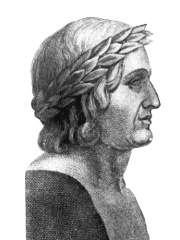
Statius
40 - 96
HPI: 73.28
Rank: 41
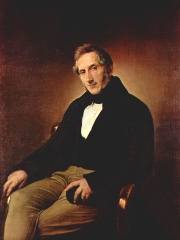
Alessandro Manzoni
1785 - 1873
HPI: 73.23
Rank: 42
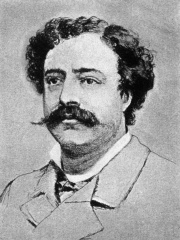
Edmondo De Amicis
1846 - 1908
HPI: 72.68
Rank: 43