شخصية دينية
Eber
2038 BC - 1574 BC
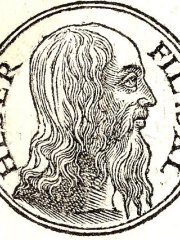
 Eber
Eber
عابر أو إيبر (بالعبرية: עֵבֶר)، يُقال: هو أبو العِبرانيين. ذُكر في سِفْر التكوين أنه عابر بن شالخ بن أرفخشذ بن سام بن نوح. لعابر ولدان هما: يقطان وفالخ، أمَّا يقطان فقد ربطه بعض المؤرِّخين العرب بقحطان وابنه يعرب. وأمَّا فالخ فيُذكر من نسله إسماعيل بن إبراهيم وهو في الرابعة والثلاثين من العمر، وفالخ هو أبو رعو. اقرأ المزيد على ويكيبيديا
His biography is available in 42 different languages on Wikipedia. Eber is the 475th most popular شخصية دينية (down from 432nd in 2024), the 33rd most popular biography from Iraq (up from 37th in 2019) and the 9th most popular Iraqi شخصية دينية.
Eber is most famous for being the father of Peleg.
Memorability Metrics
Page views of Eber by language
Among شخصية دينية
Among شخصية دينية, Eber ranks 475 out of 3,187. Before him are Tiye, Hannah, Barabbas, Zacchaeus, Sabbatai Zevi, and Alphonsus Liguori. After him are Tarcisio Bertone, Mary of Egypt, Isaac of Nineveh, Januarius, Gregory Palamas, and Amenhotep I.
Most Popular شخصية دينية in Wikipedia
Go to all Rankings
Tiye
1398 BC - 1338 BC
HPI: 74.68
Rank: 469
Hannah
1200 BC - 1100 BC
HPI: 74.68
Rank: 470
Barabbas
1 - 100
HPI: 74.66
Rank: 471
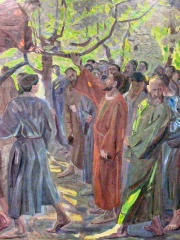
Zacchaeus
50 - 100
HPI: 74.62
Rank: 472
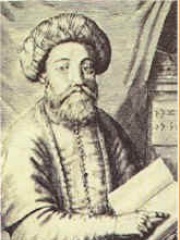
Sabbatai Zevi
1626 - 1676
HPI: 74.60
Rank: 473
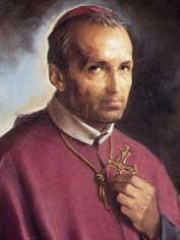
Alphonsus Liguori
1696 - 1787
HPI: 74.58
Rank: 474
Eber
2038 BC - 1574 BC
HPI: 74.57
Rank: 475
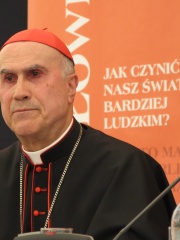
Tarcisio Bertone
1934 - Present
HPI: 74.55
Rank: 476
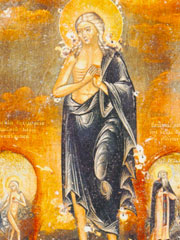
Mary of Egypt
344 - 421
HPI: 74.54
Rank: 477
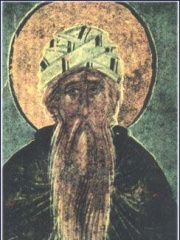
Isaac of Nineveh
640 - 700
HPI: 74.53
Rank: 478
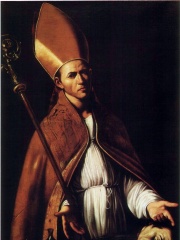
Januarius
272 - 305
HPI: 74.51
Rank: 479
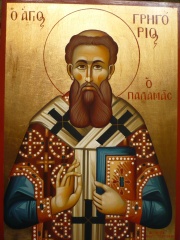
Gregory Palamas
1296 - 1359
HPI: 74.49
Rank: 480
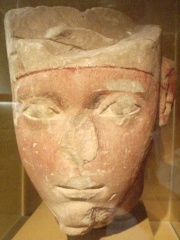
Amenhotep I
1530 BC - 1503 BC
HPI: 74.47
Rank: 481

Contemporaries
Among people born in 2038 BC, Eber ranks 1. Among people deceased in 1574 BC, Eber ranks 1.
Others Born in 2038 BC
Go to all RankingsOthers Deceased in 1574 BC
Go to all RankingsIn Iraq
Among people born in Iraq, Eber ranks 33 out of 384. Before him are Khosrow II (570), Faisal II of Iraq (1935), Belshazzar (-600), Ahmad Sanjar (1100), Jalal Talabani (1933), and Šuppiluliuma I (-1344). After him are Antiochus I Soter (-324), Sinsharishkun (-700), Enheduanna (-2300), Ahmad ibn Fadlan (900), Ismail al-Jazari (1136), and Al-Mu'tasim (796).
Others born in Iraq
Go to all Rankings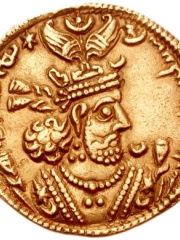
Khosrow II
POLITICIAN
570 - 628
HPI: 75.86
Rank: 27
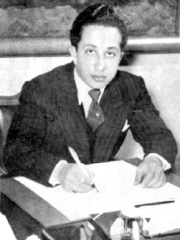
Faisal II of Iraq
POLITICIAN
1935 - 1958
HPI: 75.71
Rank: 28
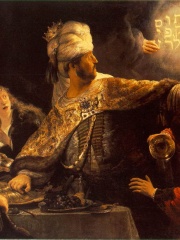
Belshazzar
RELIGIOUS FIGURE
600 BC - 600 BC
HPI: 75.54
Rank: 29
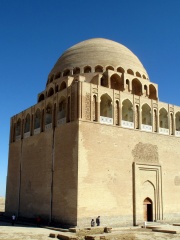
Ahmad Sanjar
MILITARY PERSONNEL
1100 - 1157
HPI: 75.52
Rank: 30
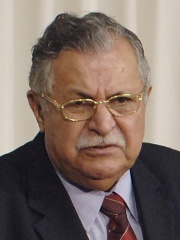
Jalal Talabani
POLITICIAN
1933 - 2017
HPI: 74.91
Rank: 31
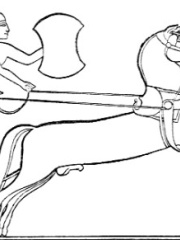
Šuppiluliuma I
POLITICIAN
1344 BC - 1321 BC
HPI: 74.57
Rank: 32
Eber
RELIGIOUS FIGURE
2038 BC - 1574 BC
HPI: 74.57
Rank: 33
Antiochus I Soter
POLITICIAN
324 BC - 261 BC
HPI: 74.33
Rank: 34
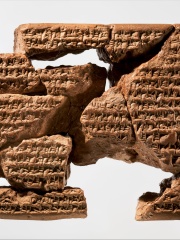
Sinsharishkun
POLITICIAN
700 BC - 612 BC
HPI: 74.19
Rank: 35
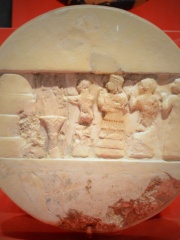
Enheduanna
WRITER
2300 BC - 2300 BC
HPI: 74.16
Rank: 36

Ahmad ibn Fadlan
WRITER
900 - 960
HPI: 73.87
Rank: 37
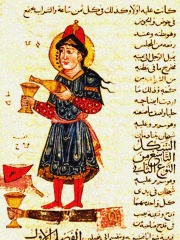
Ismail al-Jazari
INVENTOR
1136 - 1206
HPI: 73.82
Rank: 38
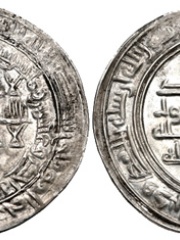
Al-Mu'tasim
POLITICIAN
796 - 842
HPI: 73.39
Rank: 39
Among شخصية دينية In Iraq
Among شخصية دينية born in Iraq, Eber ranks 9. Before him are Sarah (-1803), Rabia of Basra (710), Mani (216), Ezra (-500), Muhammad al-Mahdi (869), and Belshazzar (-600). After him are Junayd of Baghdad (830), Louis Raphaël I Sako (1948), Ibn Hisham (701), Nahor, son of Serug (-1912), Hillel the Elder (-110), and Ibn Qutaybah (828).
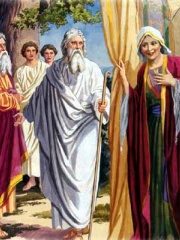
Sarah
1803 BC - 1676 BC
HPI: 79.84
Rank: 3
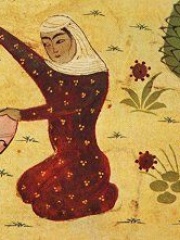
Rabia of Basra
710 - 801
HPI: 78.81
Rank: 4
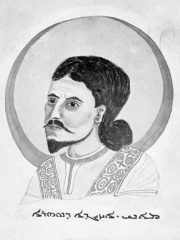
Mani
216 - 274
HPI: 78.43
Rank: 5
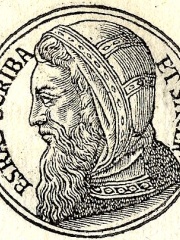
Ezra
500 BC - 401 BC
HPI: 77.65
Rank: 6
Muhammad al-Mahdi
869 - 941
HPI: 76.87
Rank: 7
Belshazzar
600 BC - 600 BC
HPI: 75.54
Rank: 8
Eber
2038 BC - 1574 BC
HPI: 74.57
Rank: 9
Junayd of Baghdad
830 - 910
HPI: 71.53
Rank: 10
Louis Raphaël I Sako
1948 - Present
HPI: 70.61
Rank: 11

Ibn Hisham
701 - 833
HPI: 70.58
Rank: 12
Nahor, son of Serug
1912 BC - 1764 BC
HPI: 70.15
Rank: 13
Hillel the Elder
110 BC - 10
HPI: 69.20
Rank: 14

Ibn Qutaybah
828 - 889
HPI: 68.10
Rank: 15